
Malo Polje
Situated in a natural amphitheatre on Mount Igman, Malo Polje served as the dramatic stage for the 1984 Winter Olympics’ ski jumping events. Designed to shelter competitors from the wind while accommodating massive crowds, the venue hosted the 70-metre and 90-metre ski jumping competitions, as well as the jumping portion of the Nordic Combined.
Fast facts
- Location: Mount Igman, approximately 15–24 km from Sarajevo (depending on the route).
- Olympic Role: Venue for Ski Jumping (70m and 90m) and Nordic Combined (jumping).
- Key Dates: 12 February (70m jump, Nordic Combined jump); 18 February (90m jump).
- Capacity: Designed for 25,000 spectators on platforms; slopes accommodated up to 80,000 during the Games.
- Architects: Janez and Vlado Gorišek.
- Notable Feature: The 70m hill was equipped with plastic matting for year-round training.
- Status Today: The ski jumps are currently in ruins; the area is used for recreational skiing and hiking.
The Venue: A Natural Amphitheatre
Planning and construction of the jump complex
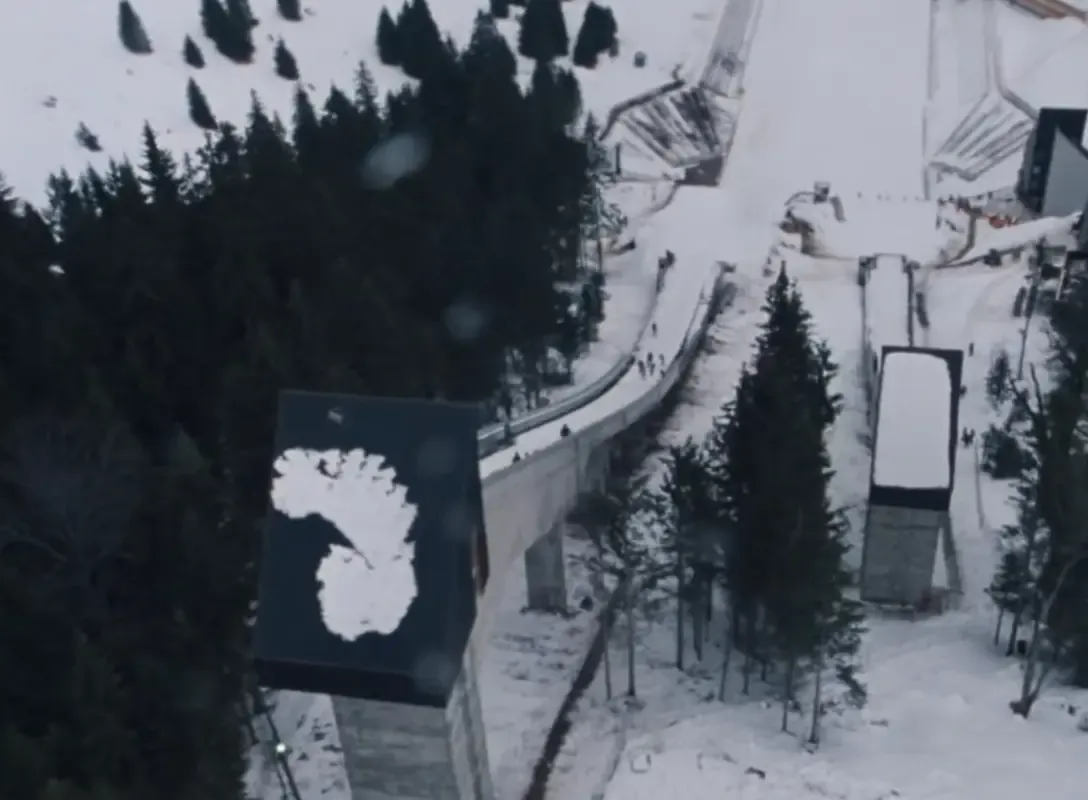
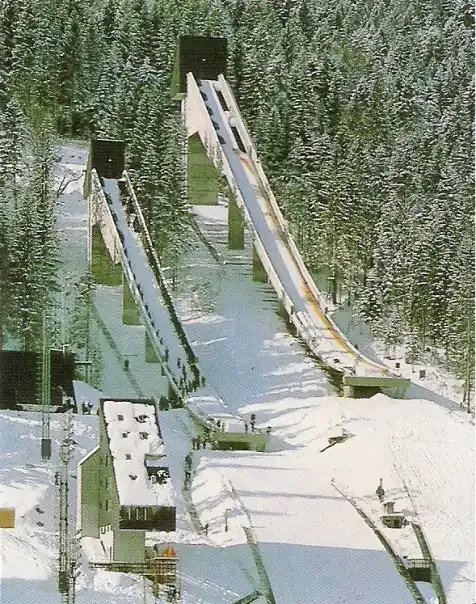
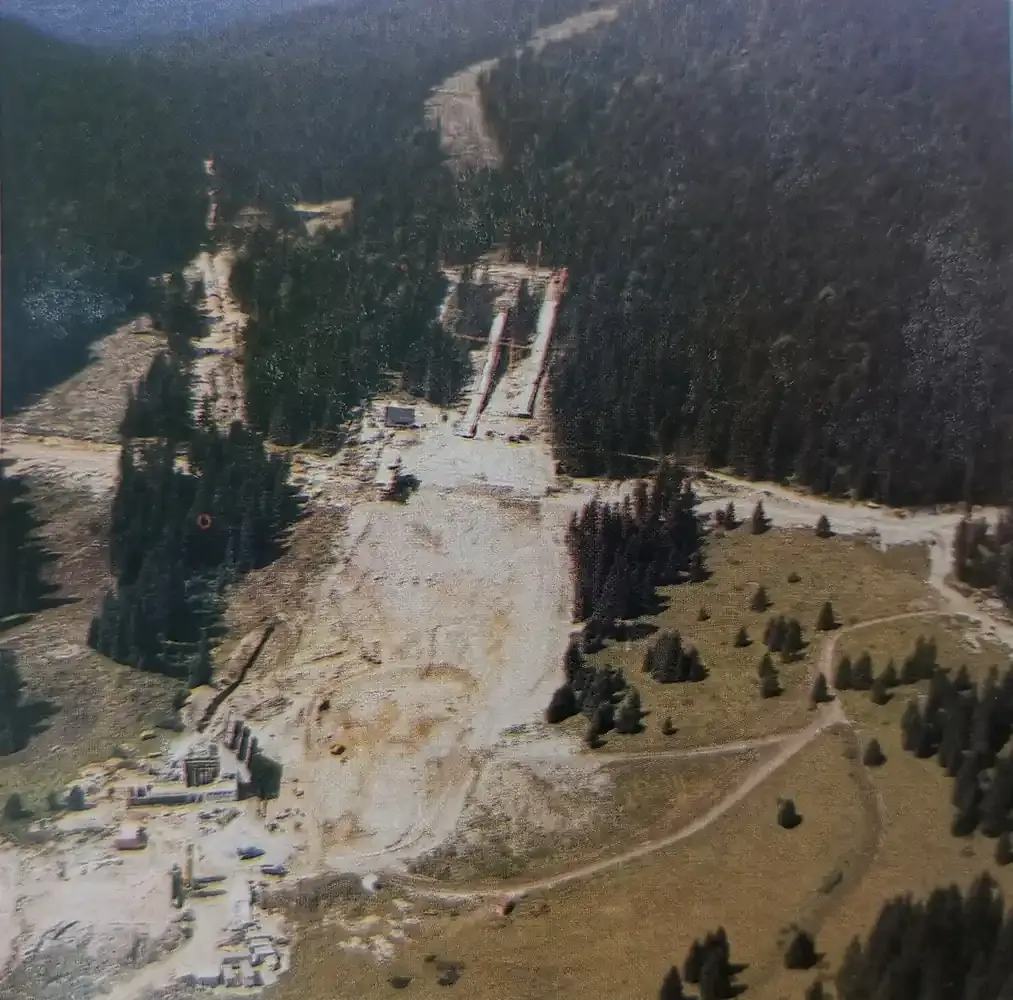
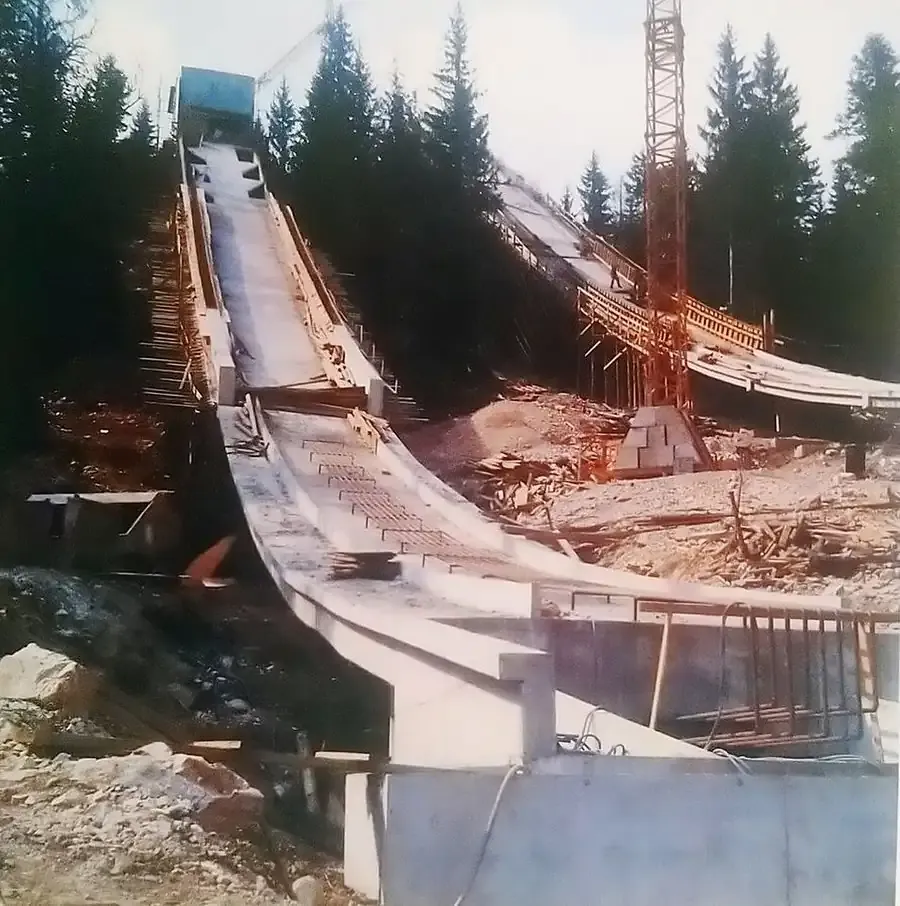
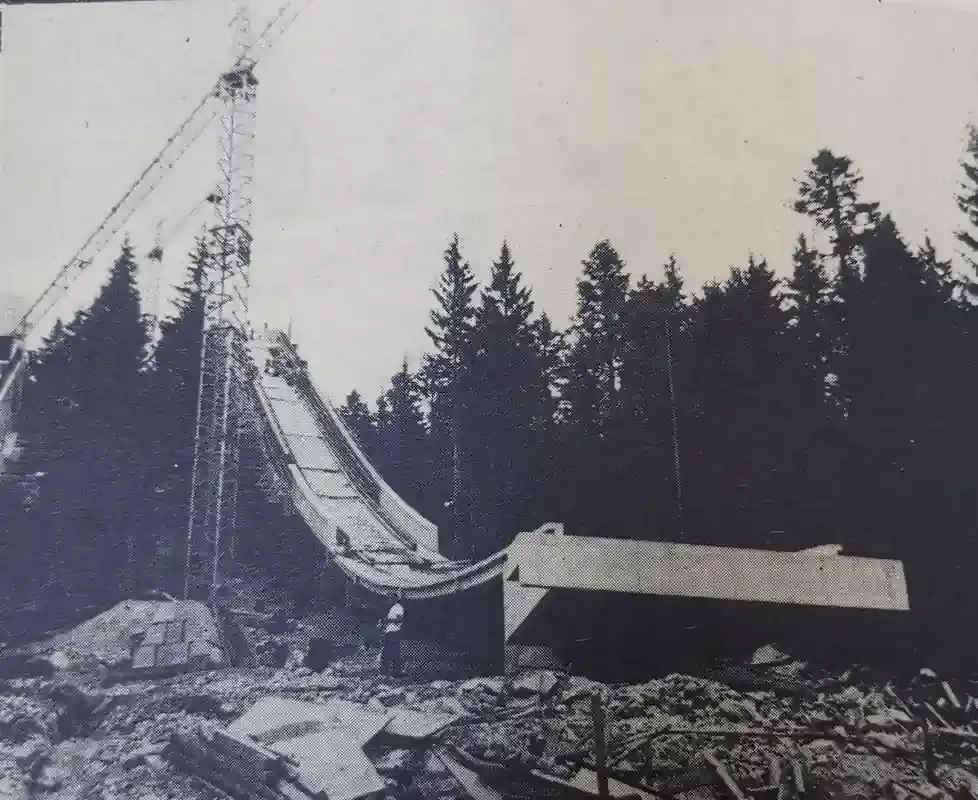
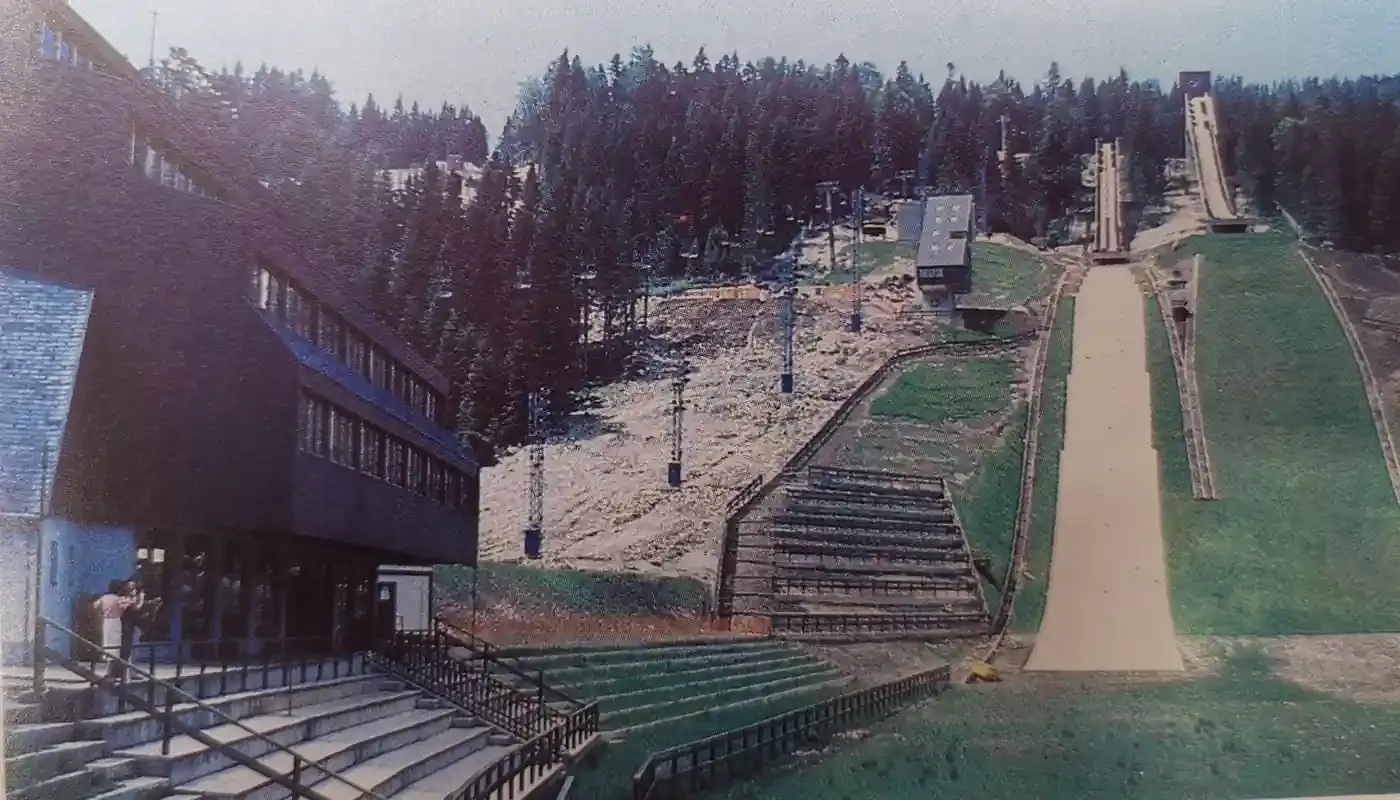

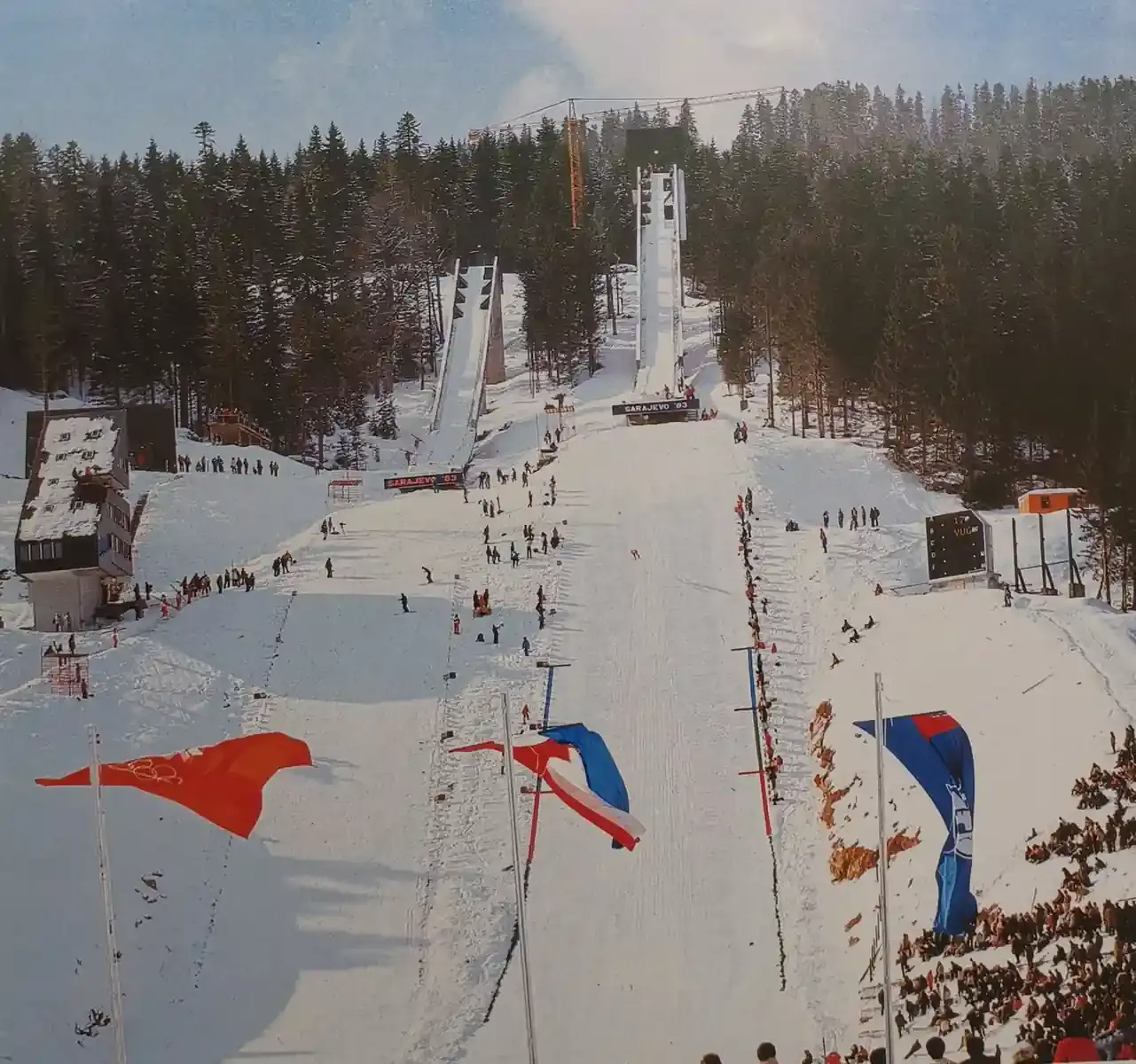
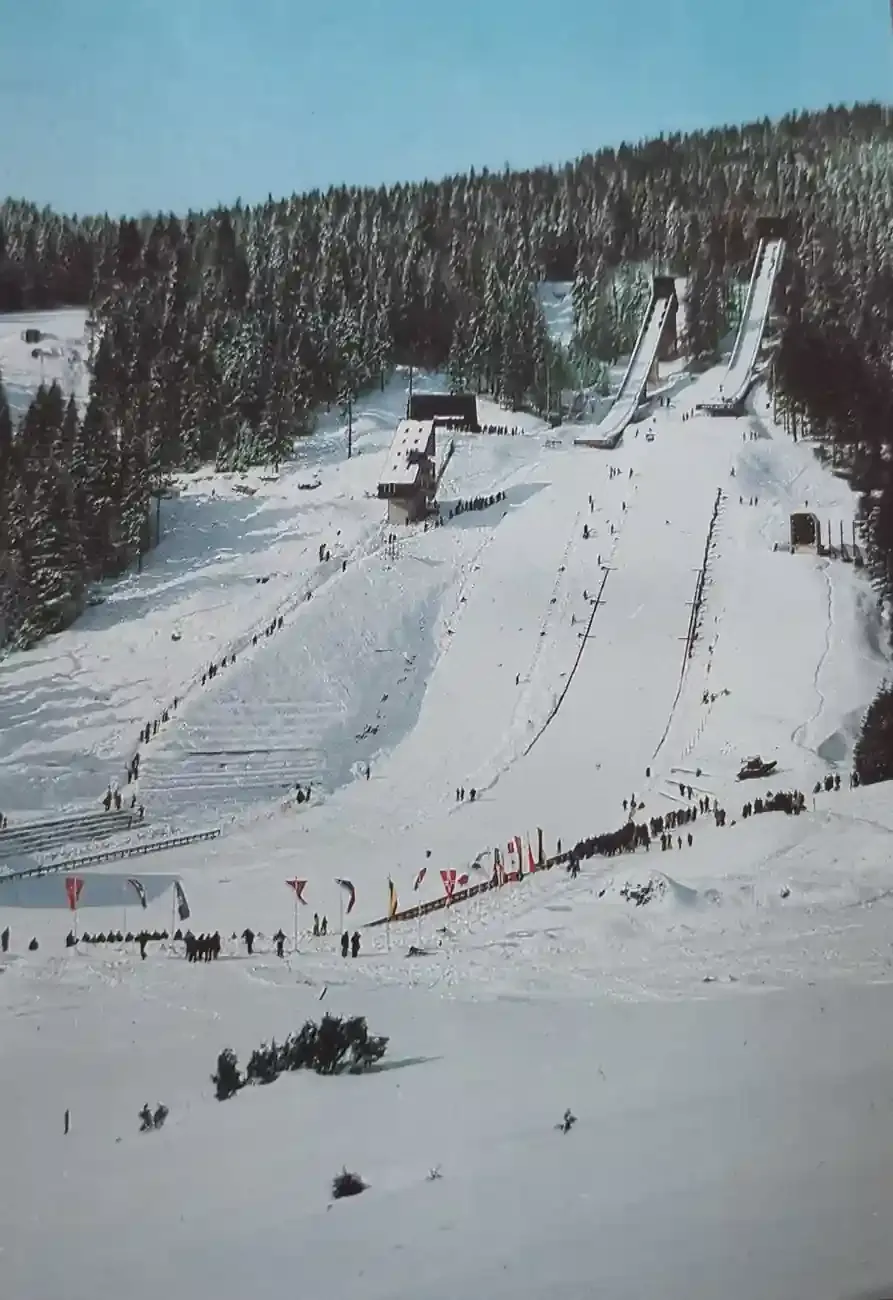
An aerial 1984 view frames the twin jump towers within the natural amphitheatre of Malo Polje.
An aerial 1984 view frames the twin jump towers within the natural amphitheatre of Malo Polje.
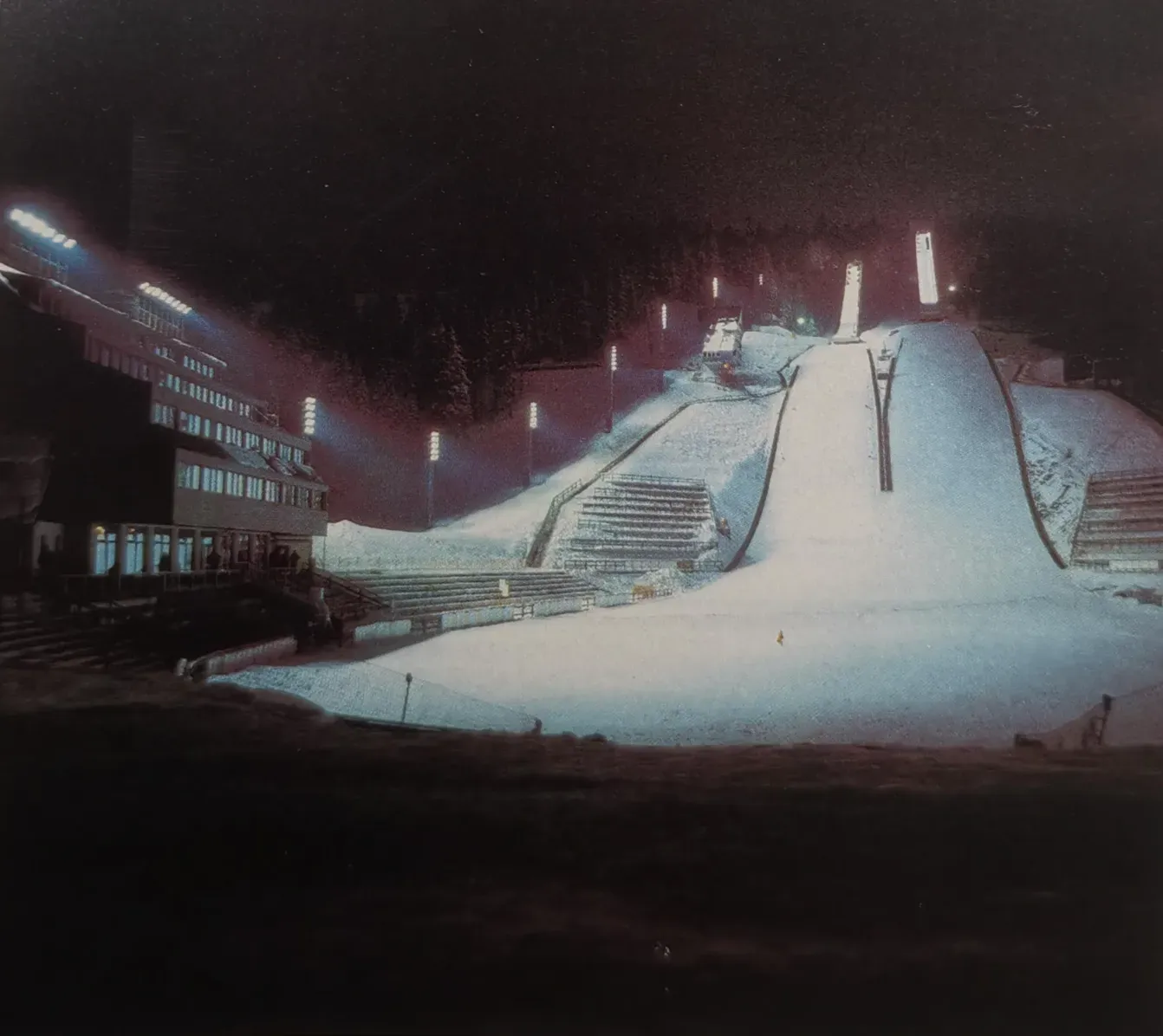
A night scene captures illuminated facilities during pre-Games readiness checks.
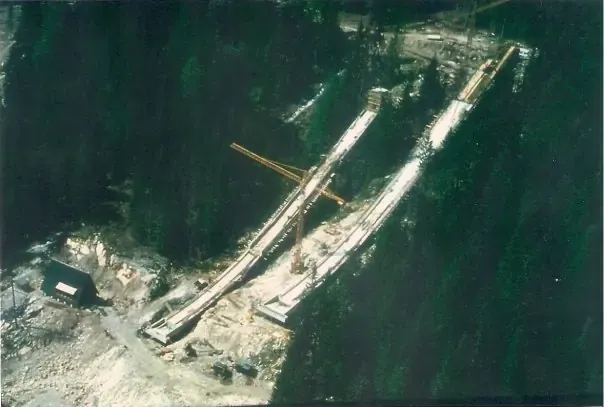
A construction-phase view documents structural works on the ski-jump complex before the Games.
A construction-phase view documents structural works on the ski-jump complex before the Games.
A construction-phase view documents structural works on the ski-jump complex before the Games.
A construction-phase view documents structural works on the ski-jump complex before the Games.
A construction-phase view documents structural works on the ski-jump complex before the Games.
A construction-phase view documents structural works on the ski-jump complex before the Games.
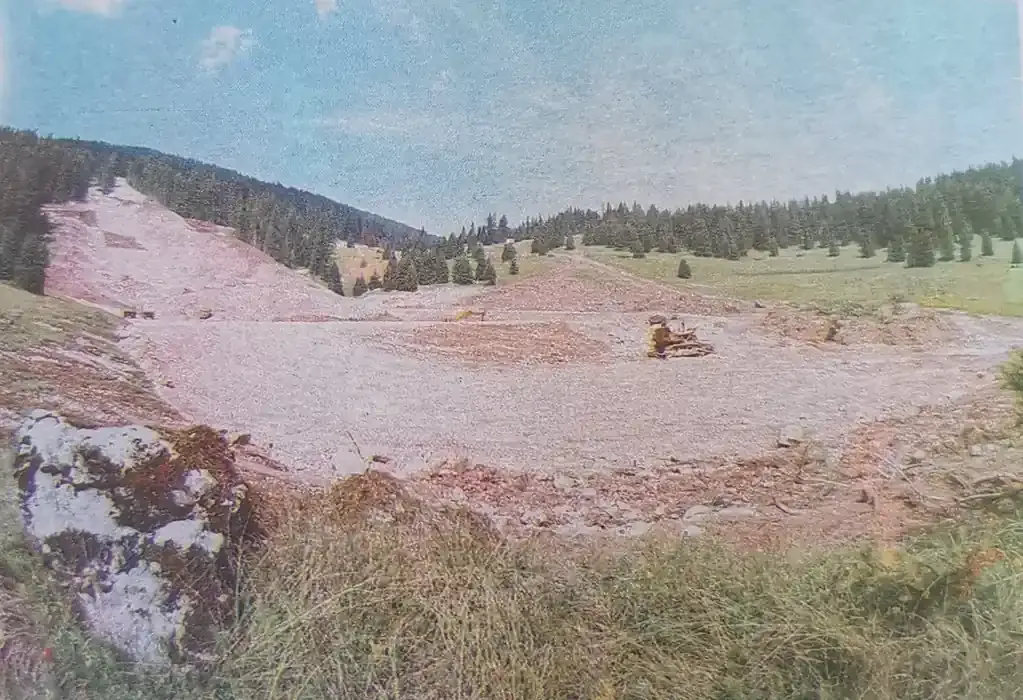
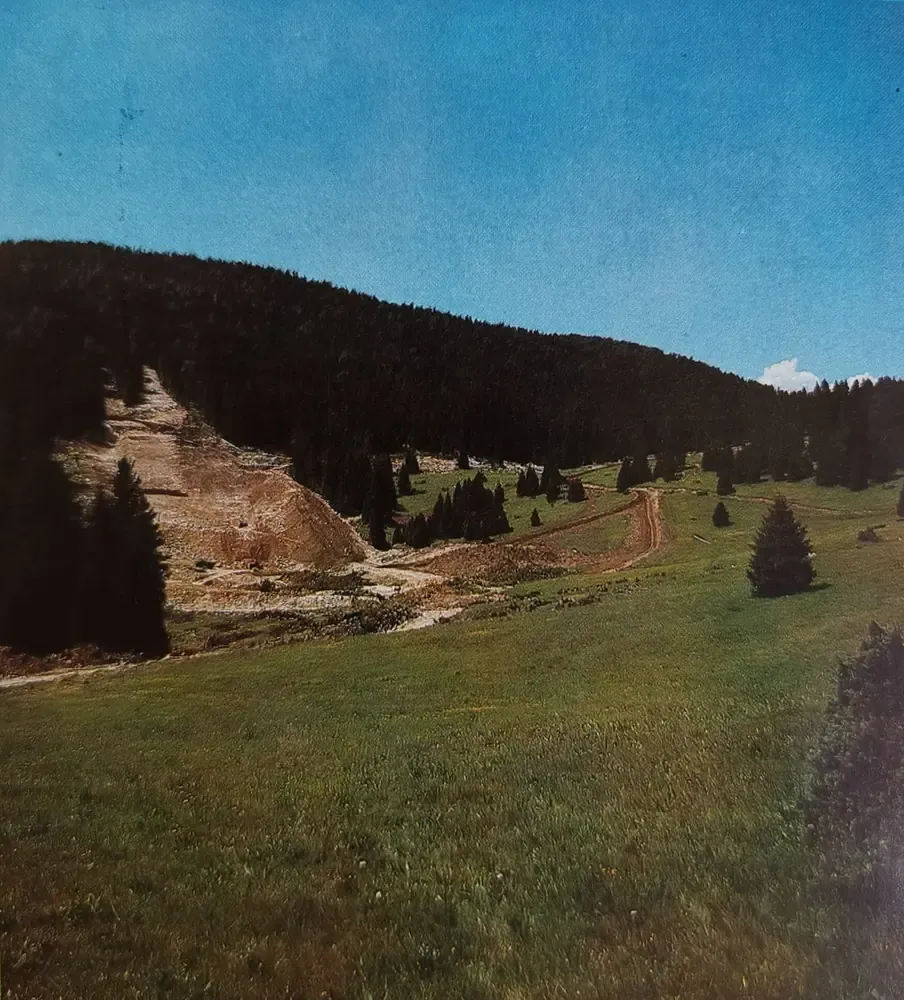
Excavation works shaped the landing slope and run-out area during early construction.
Excavation works shaped the landing slope and run-out area during early construction.
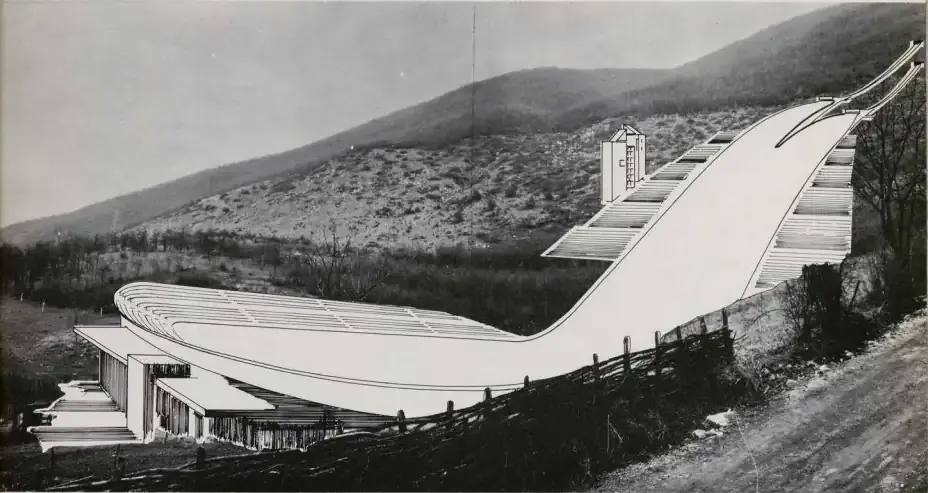
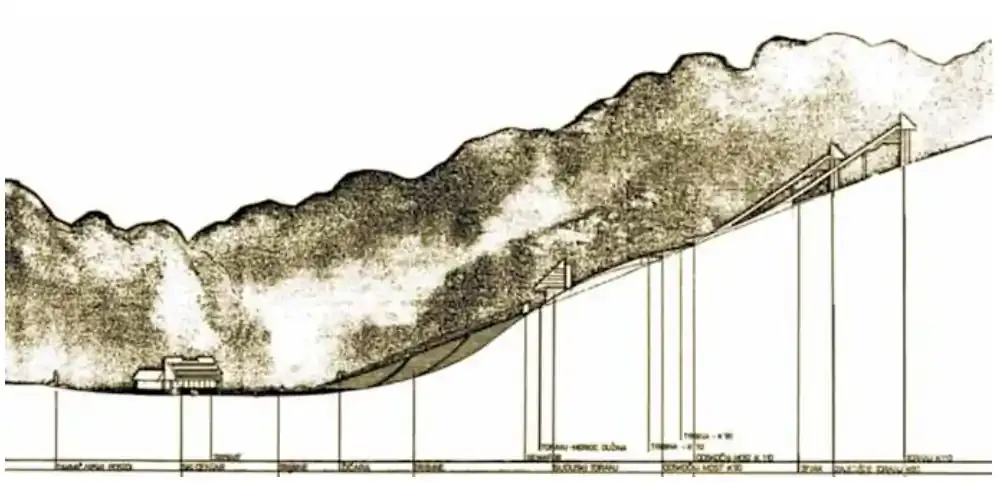
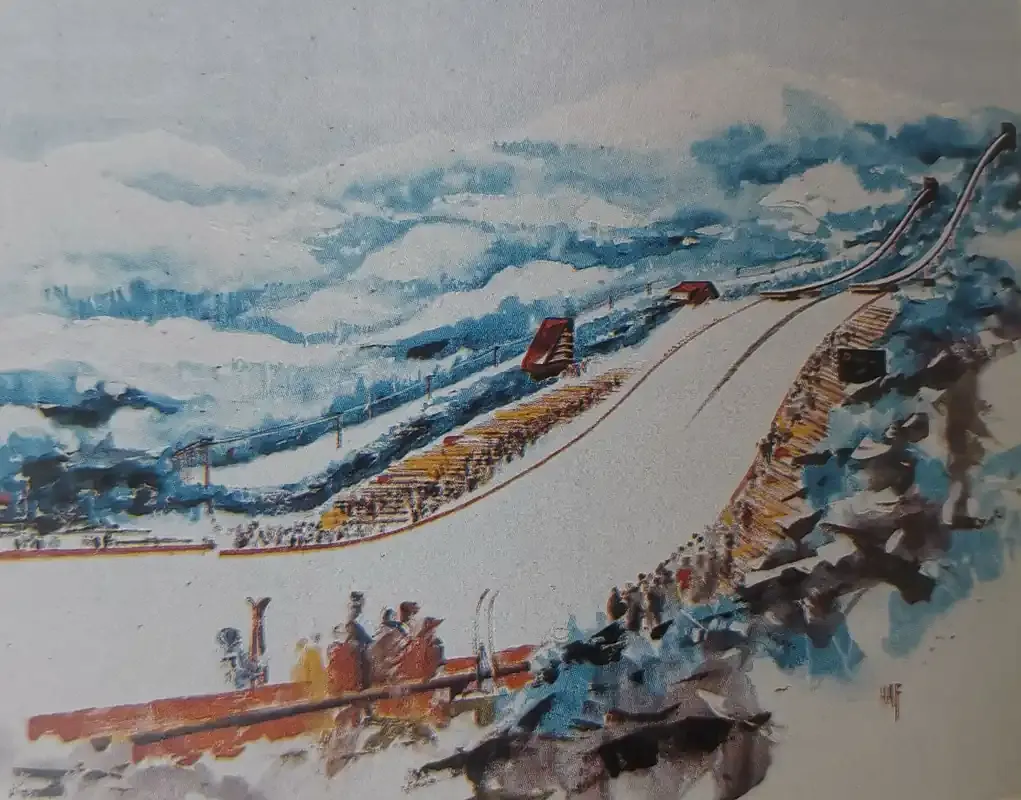
A concept sketch presents the intended architectural form of the Malo Polje ski-jump complex.
A wider planning sheet links Malo Polje to the broader Igman-Ilidža mountain infrastructure.
This technical plan maps the Olympic jump layout and spectator zones at Malo Polje.
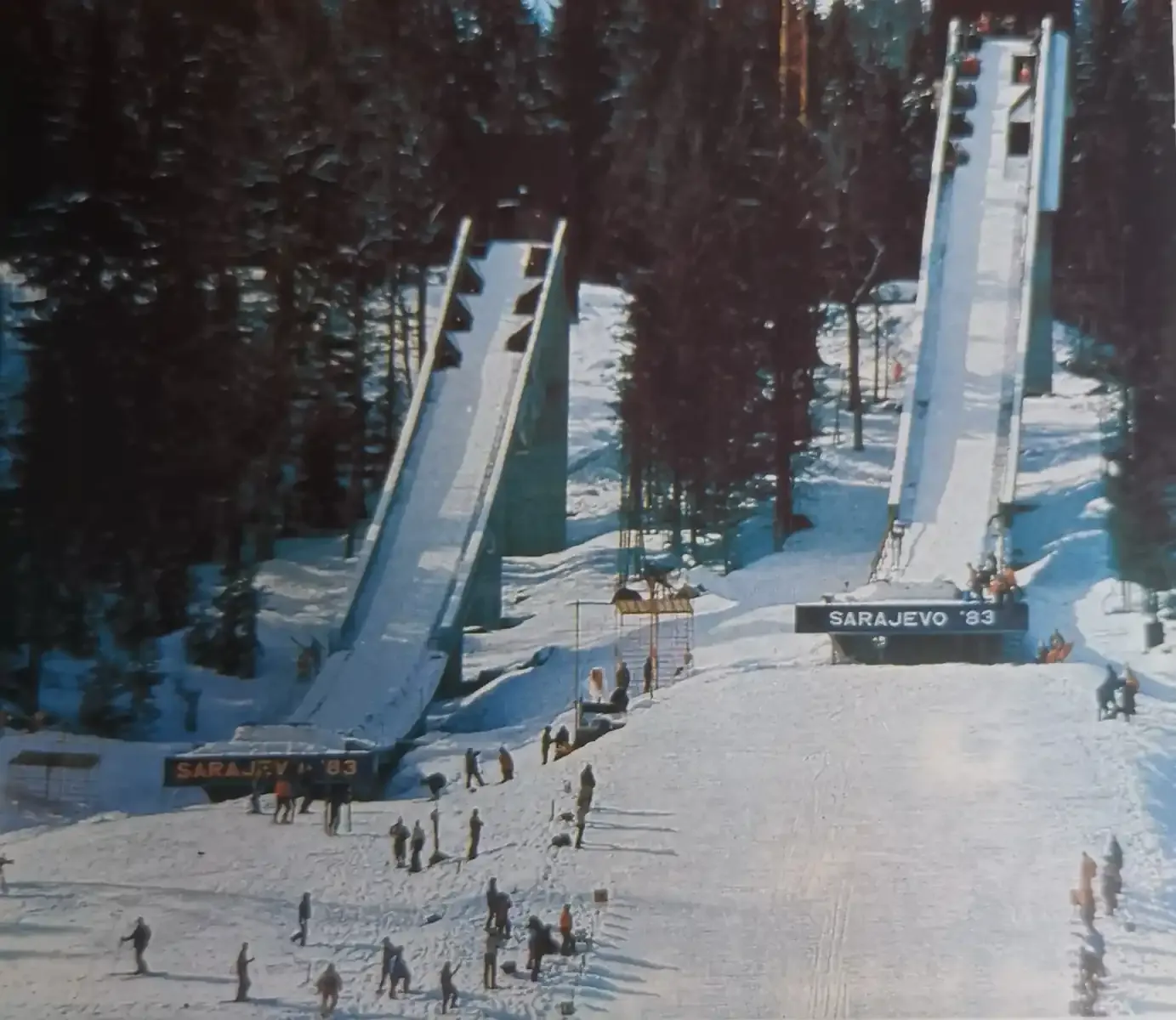
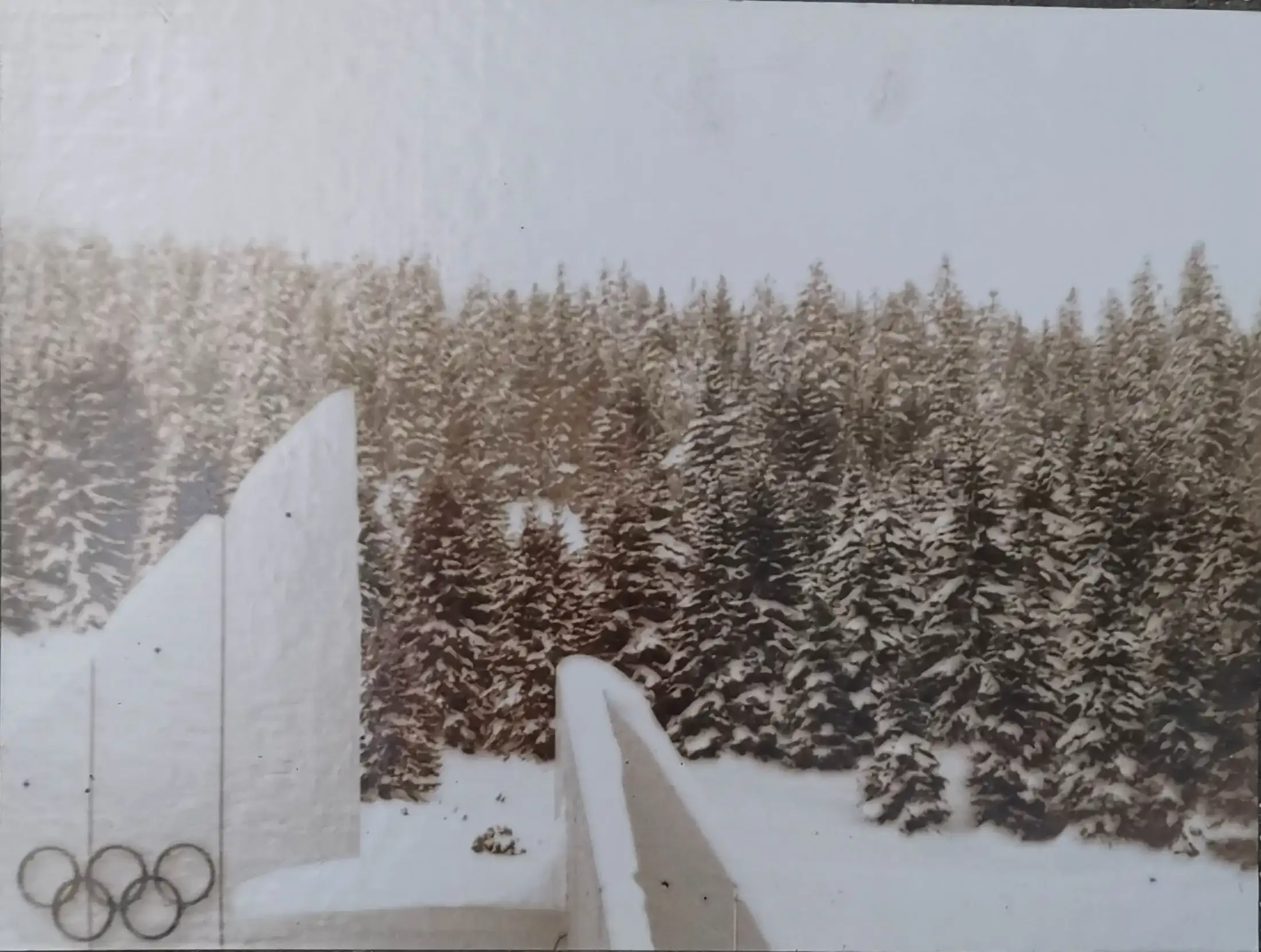
The jump towers are shown near completion in 1983 ahead of Olympic operations.
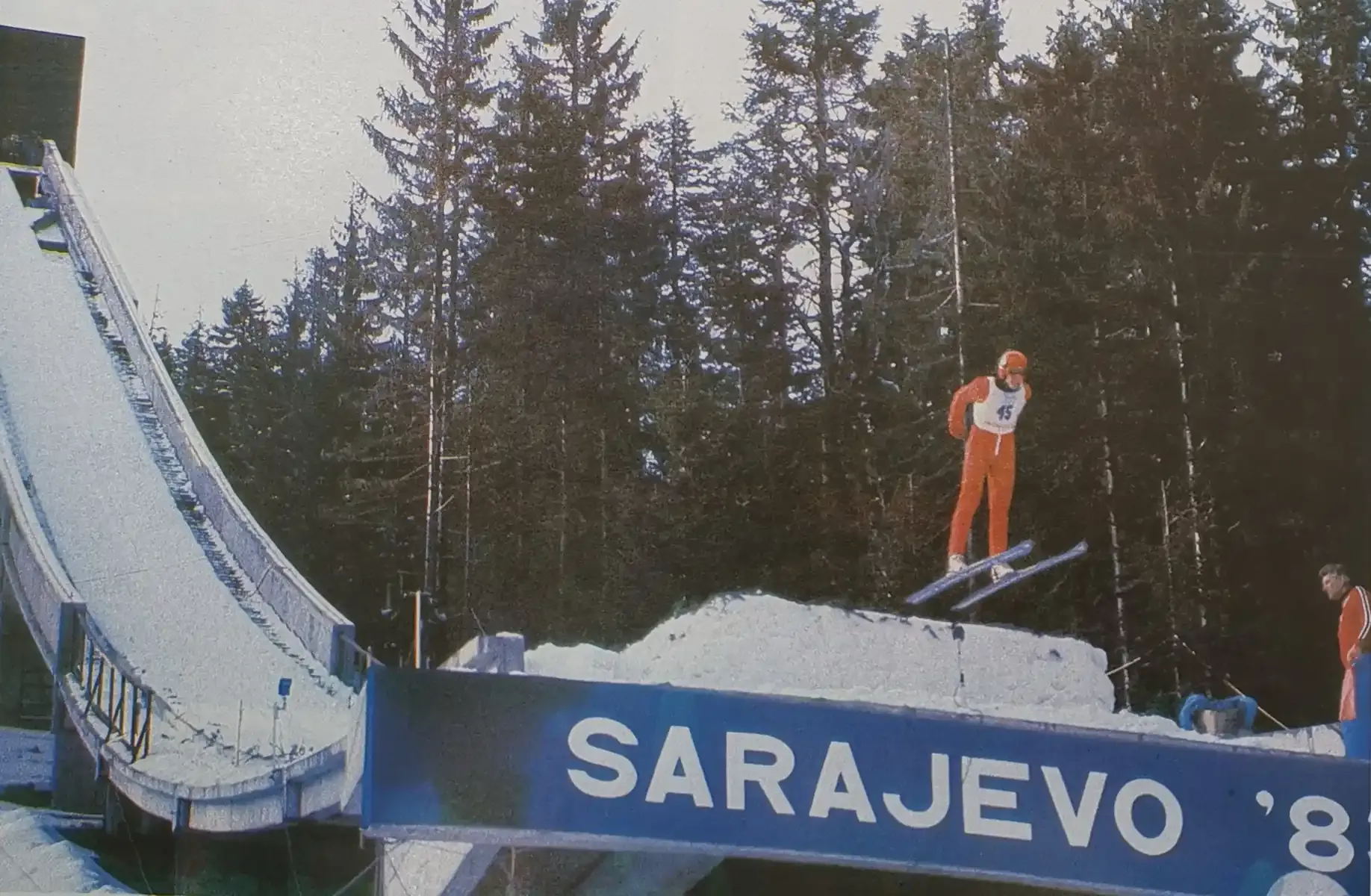
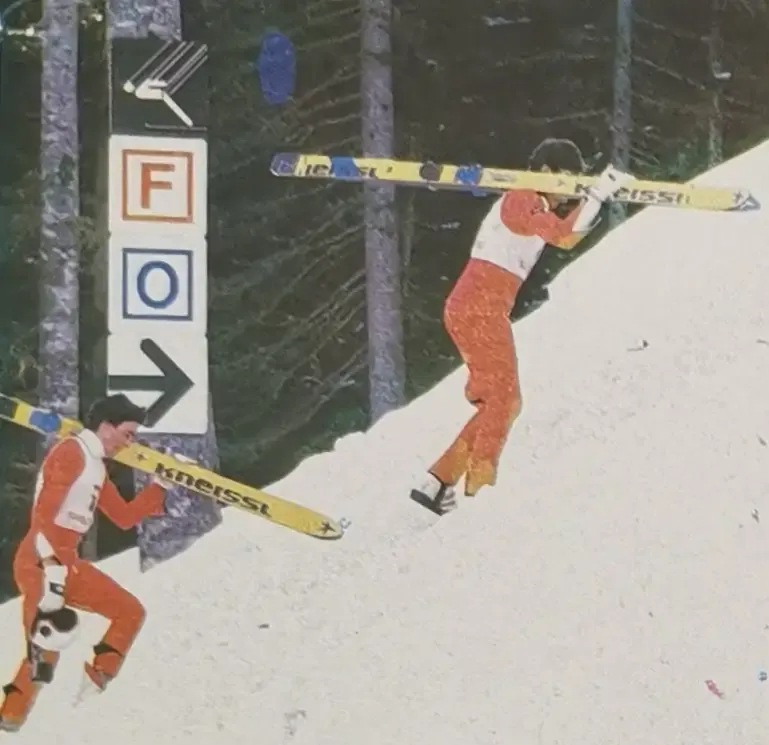
Pre-Olympic test events in 1983 validated jump profiles, logistics, and spectator circulation.
Pre-Olympic test events in 1983 validated jump profiles, logistics, and spectator circulation.
Pre-Olympic test events in 1983 validated jump profiles, logistics, and spectator circulation.
Pre-Olympic test events in 1983 validated jump profiles, logistics, and spectator circulation.
Pre-Olympic test events in 1983 validated jump profiles, logistics, and spectator circulation.
Pre-Olympic test events in 1983 validated jump profiles, logistics, and spectator circulation.
Malo Polje (Small Field) is located on the Igman plateau, southwest of Sarajevo. The venue was constructed within a "beautifully shaped mountain meander," a natural depression in the coniferous landscape chosen specifically to protect the ski jumpers from the wind.
The site functioned as the centre for the Games' ski jumping competitions. It was physically connected to the cross-country trails at the nearby Veliko Polje (Great Field) and the alpine runs on Bjelašnica by modern communication lines and roads, creating a compact "sports-competition whole" on the mountain. To ensure its long-term viability as a training centre, the smaller 70-metre hill was covered with a special plastic mass, allowing for training jumps throughout the year, regardless of snow conditions.
February 1984: Records and Crowds
Olympic competition scenes and crowd atmosphere
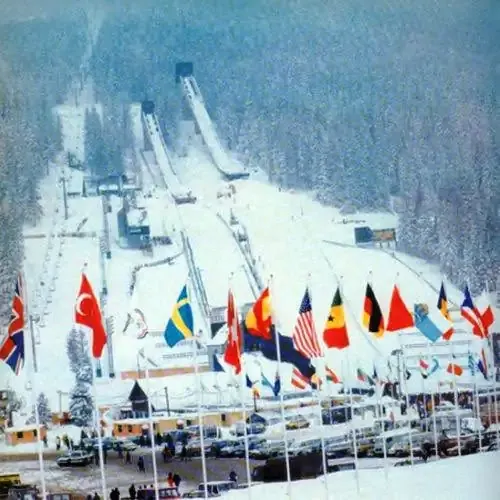
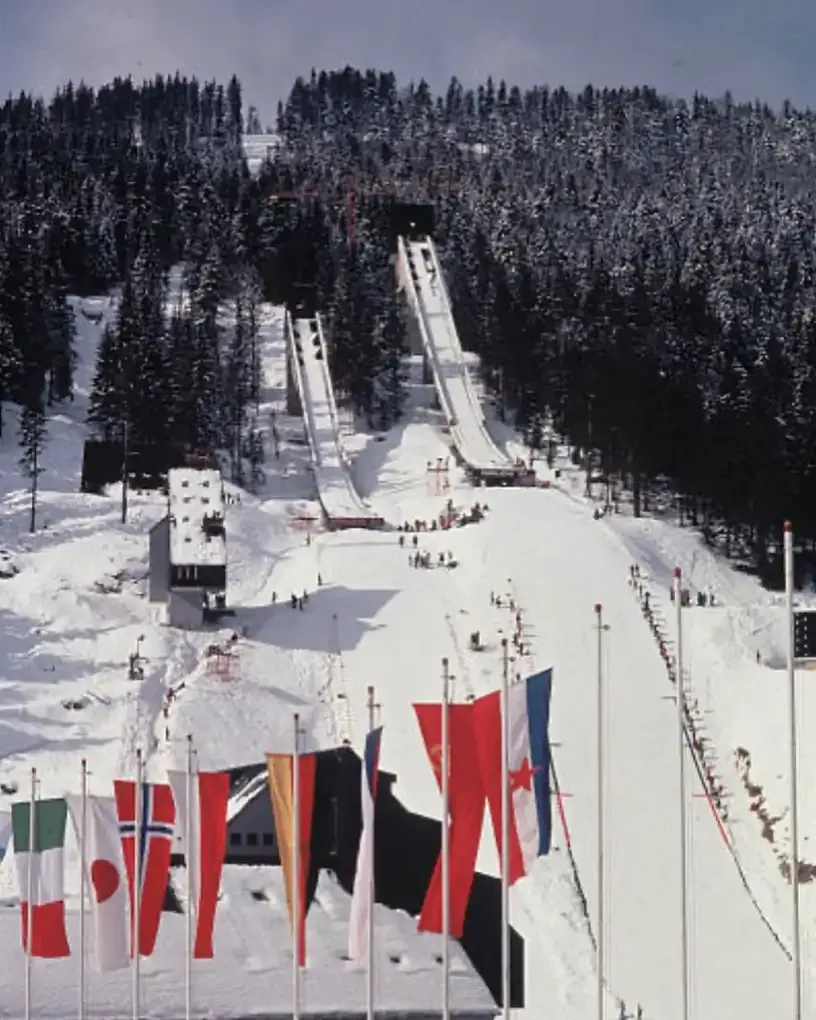
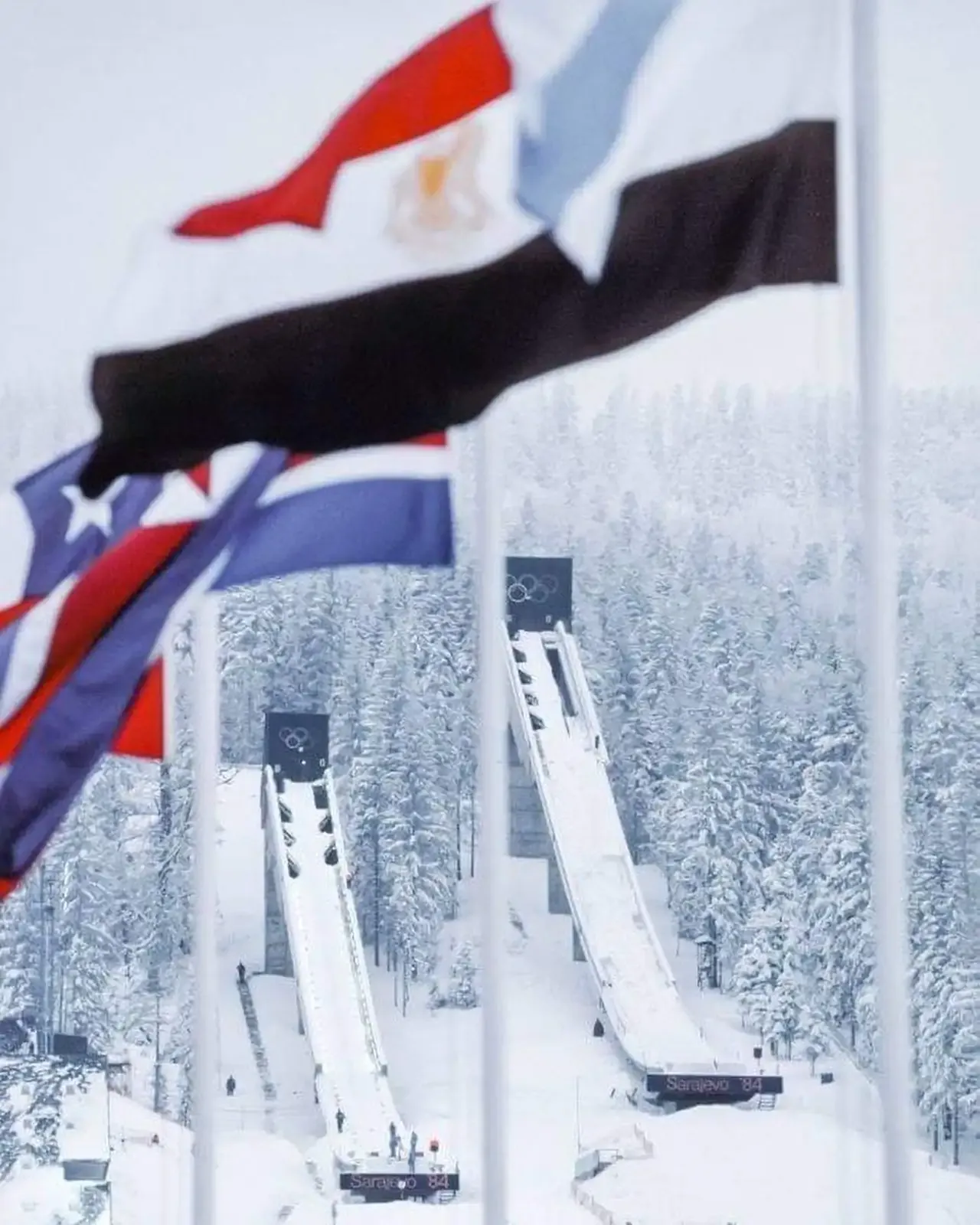
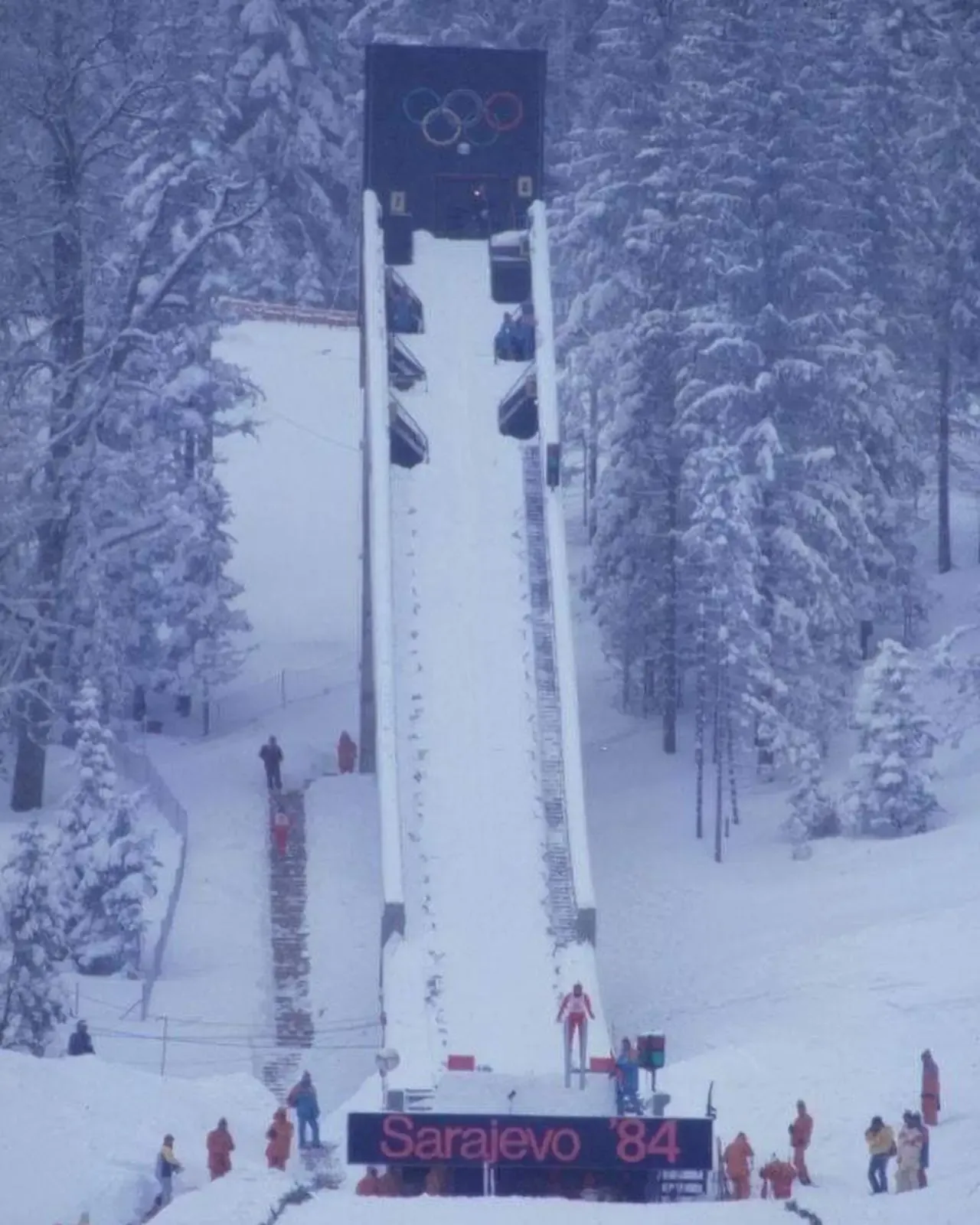
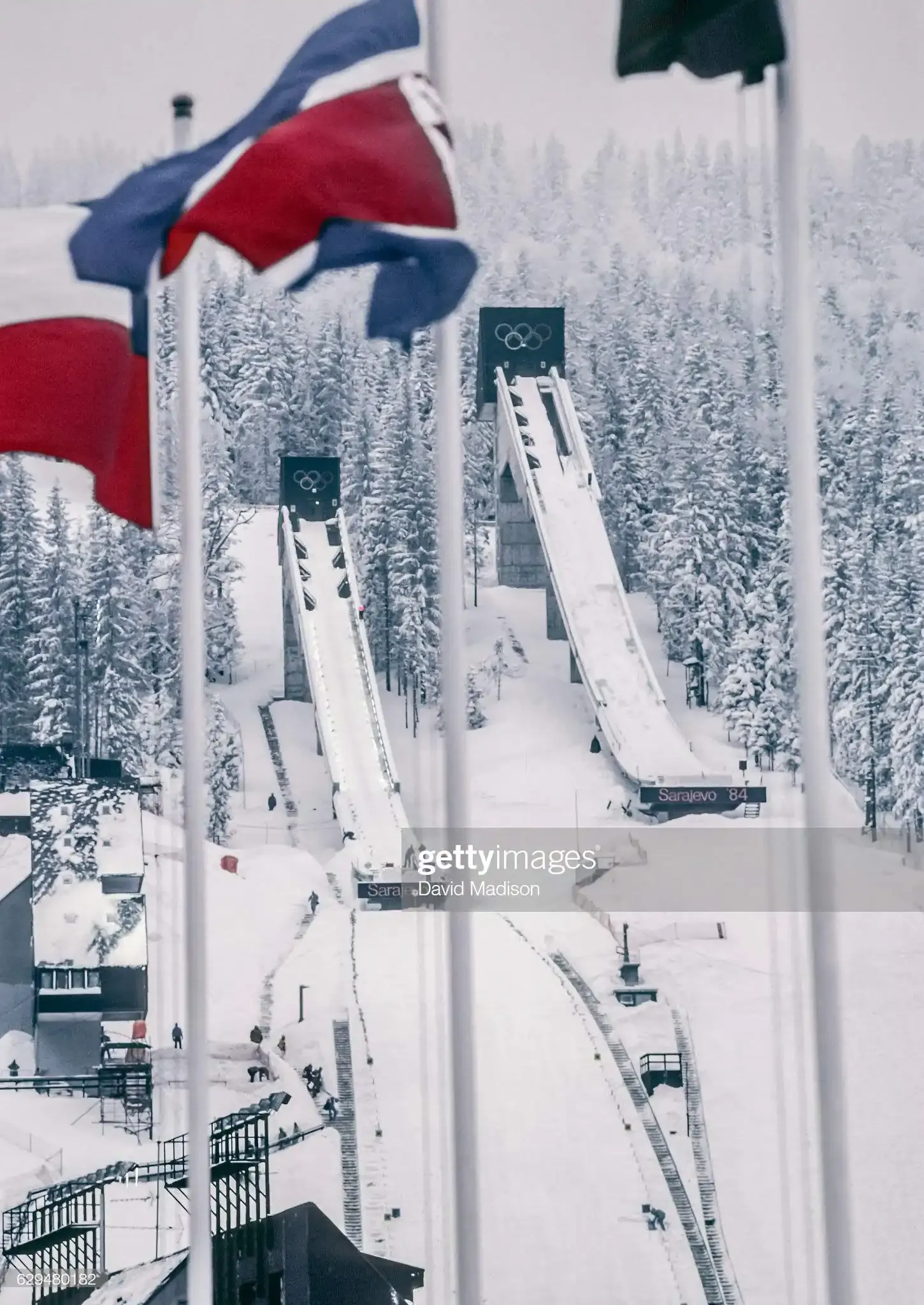
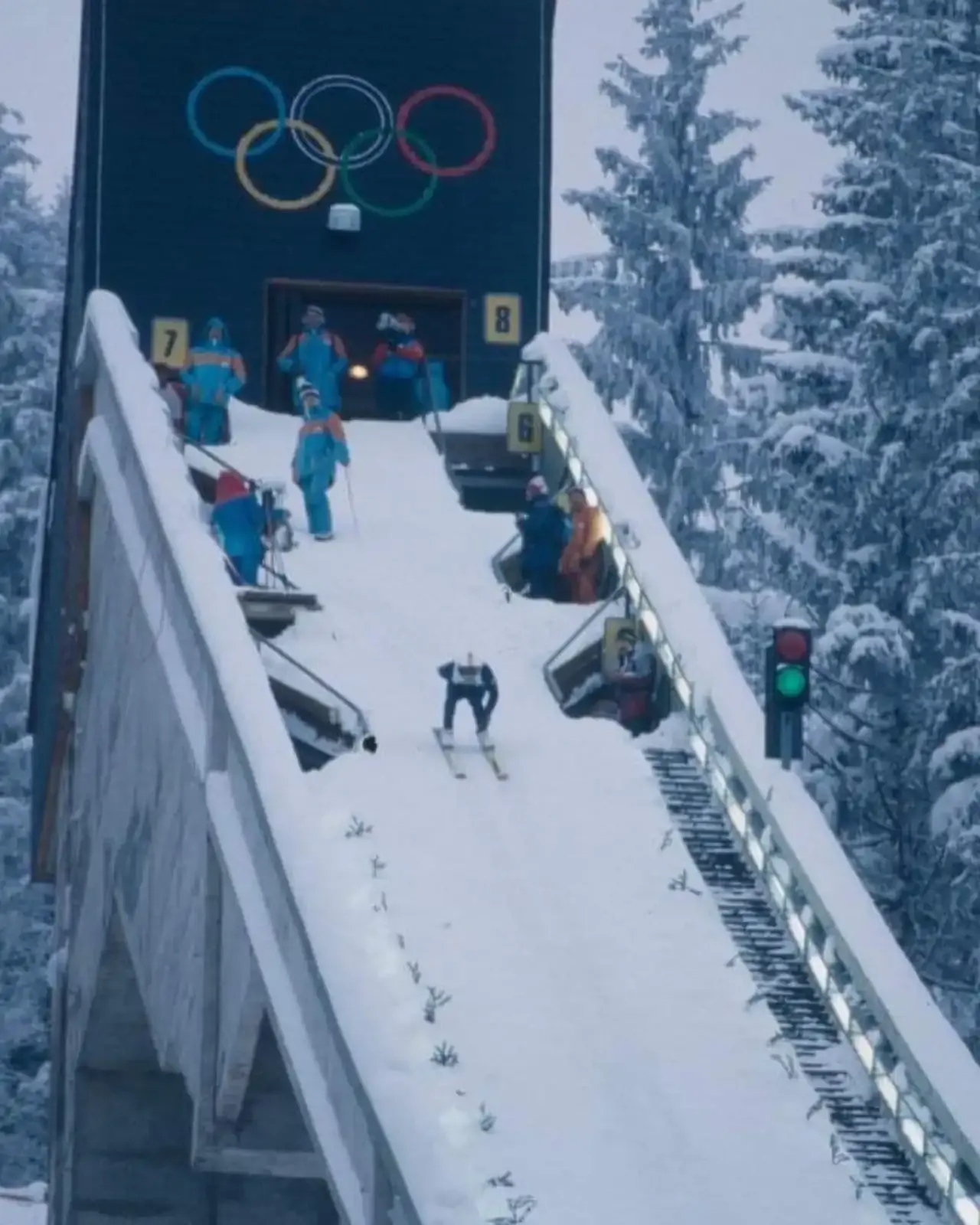
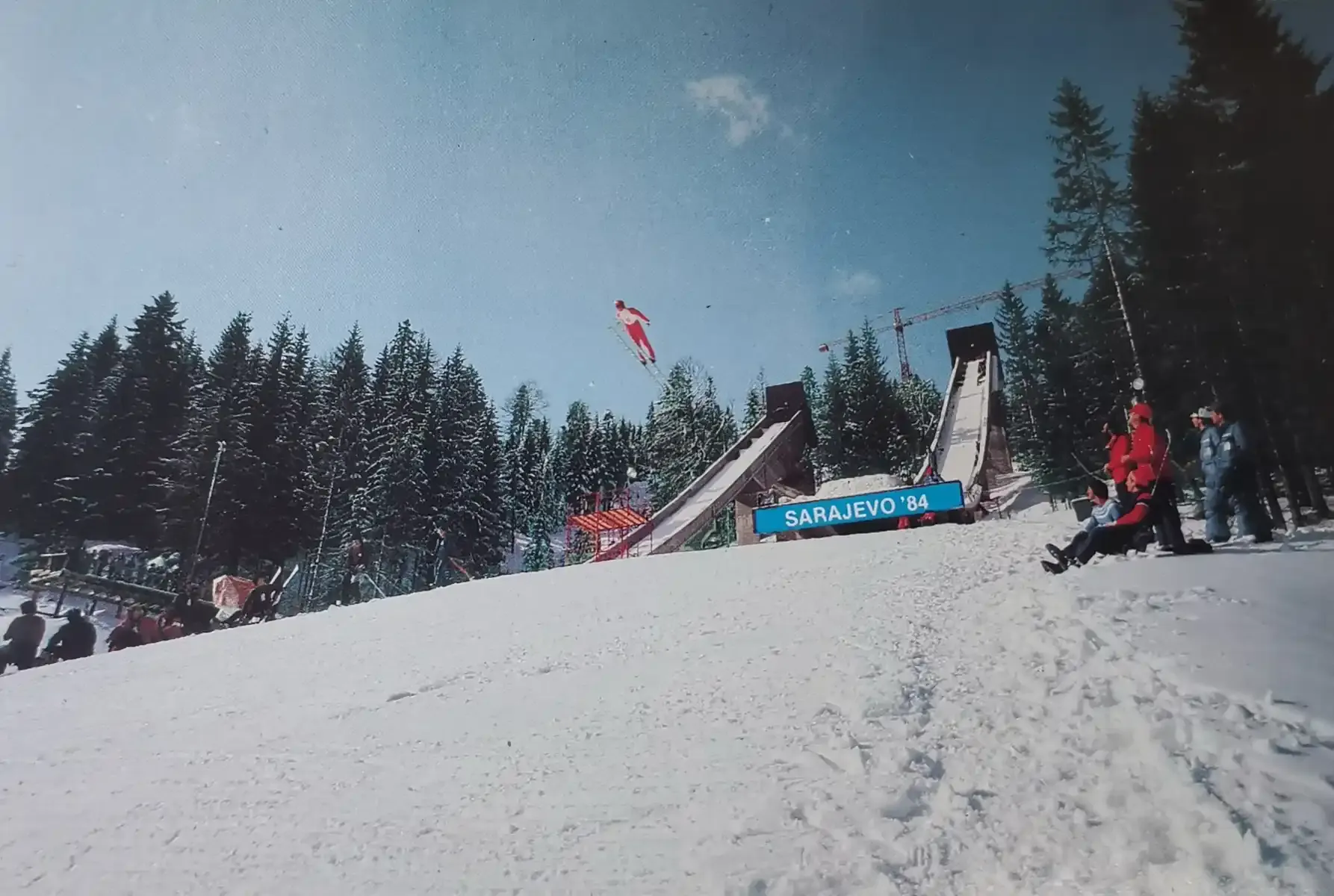
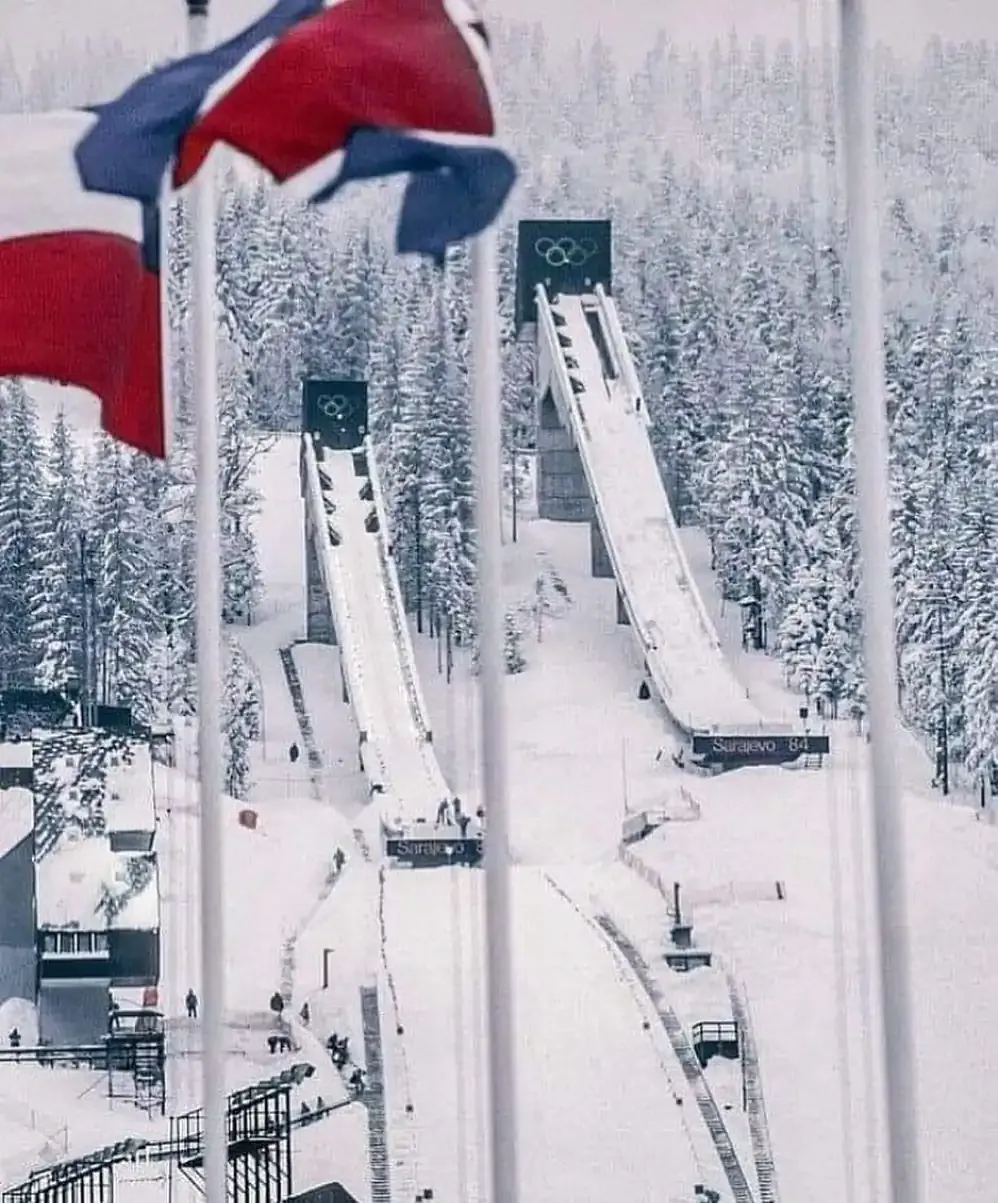
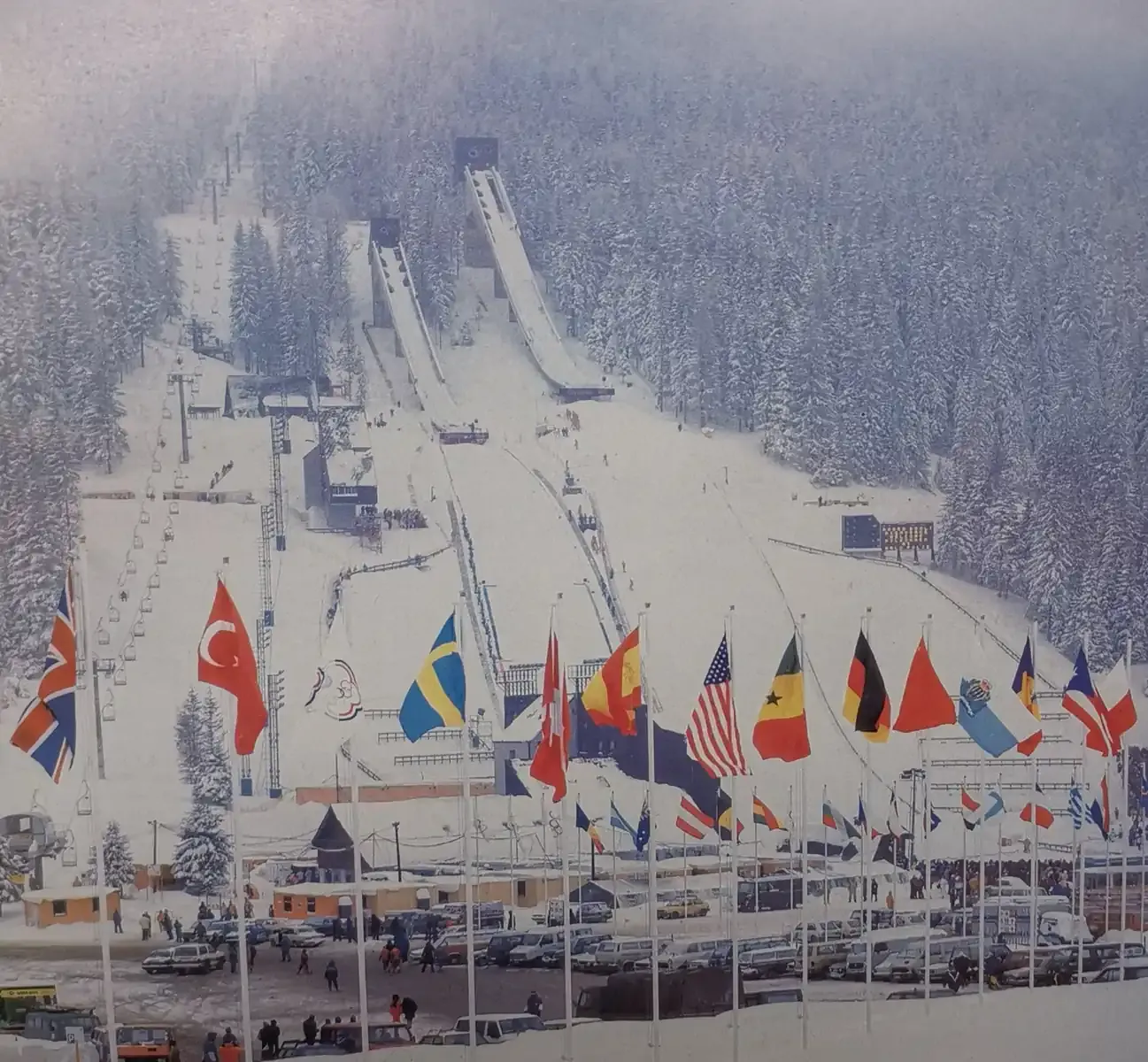
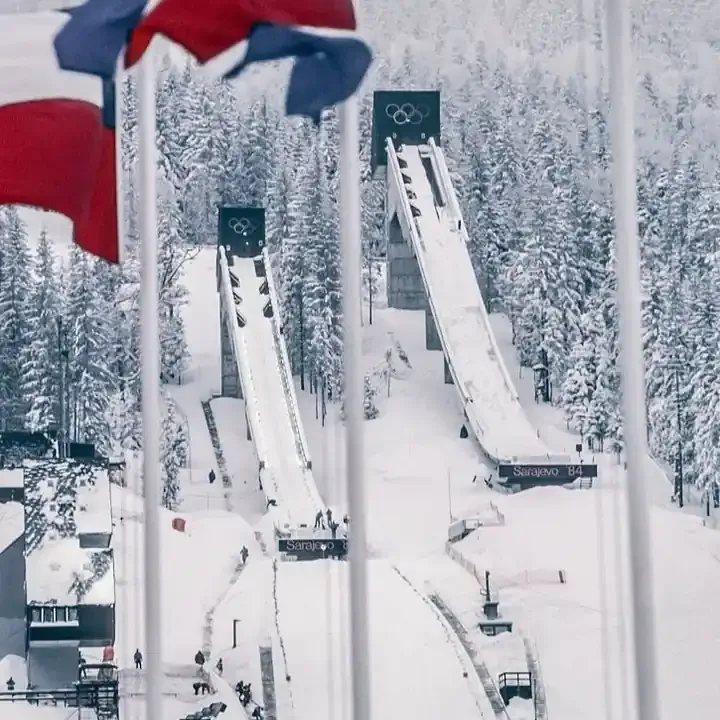
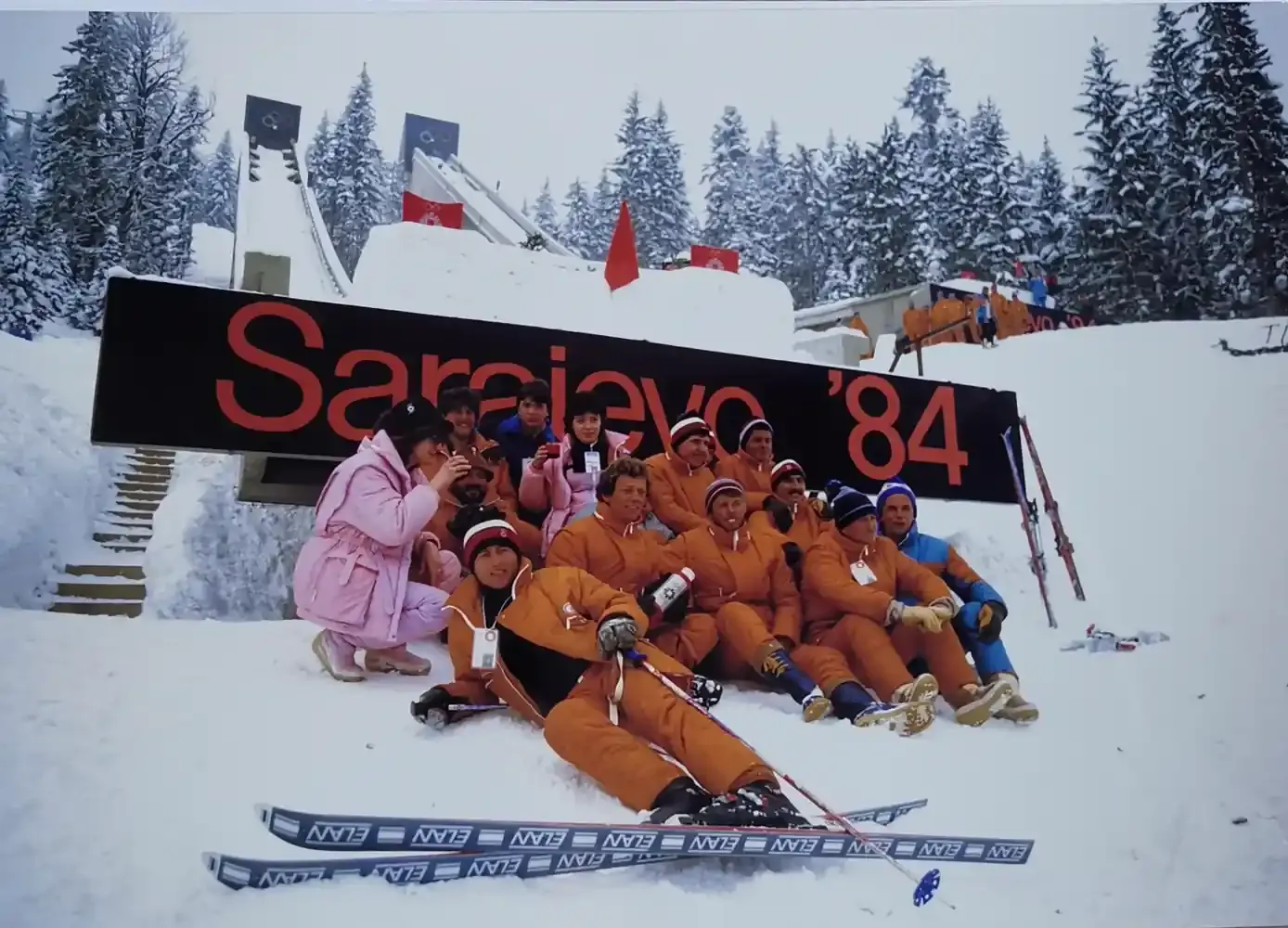
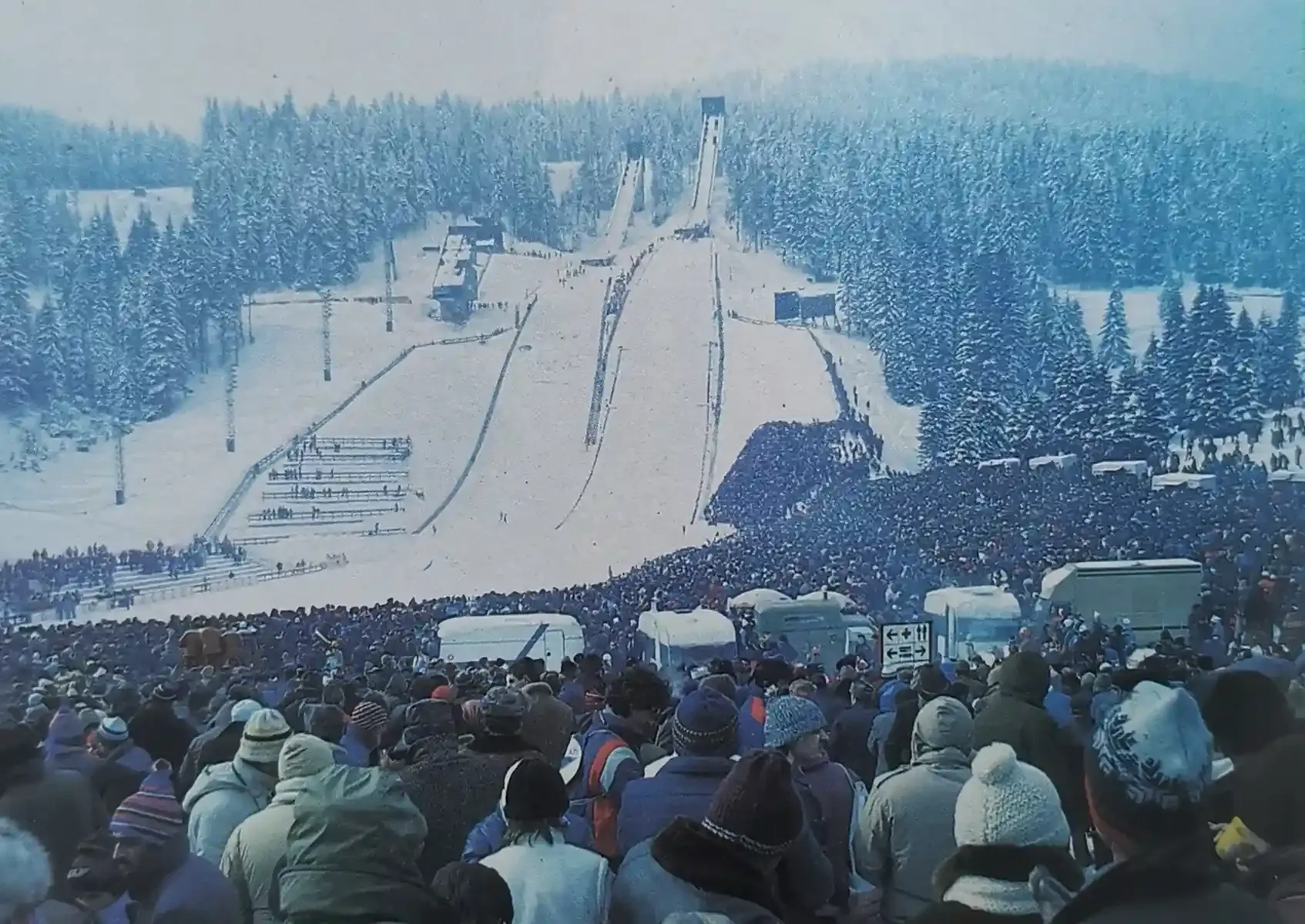
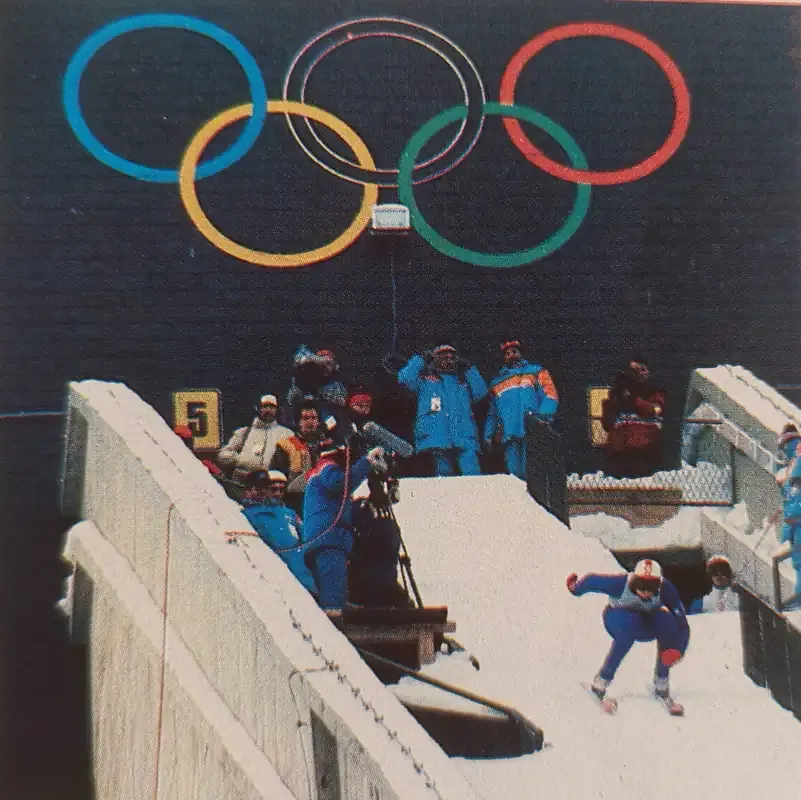
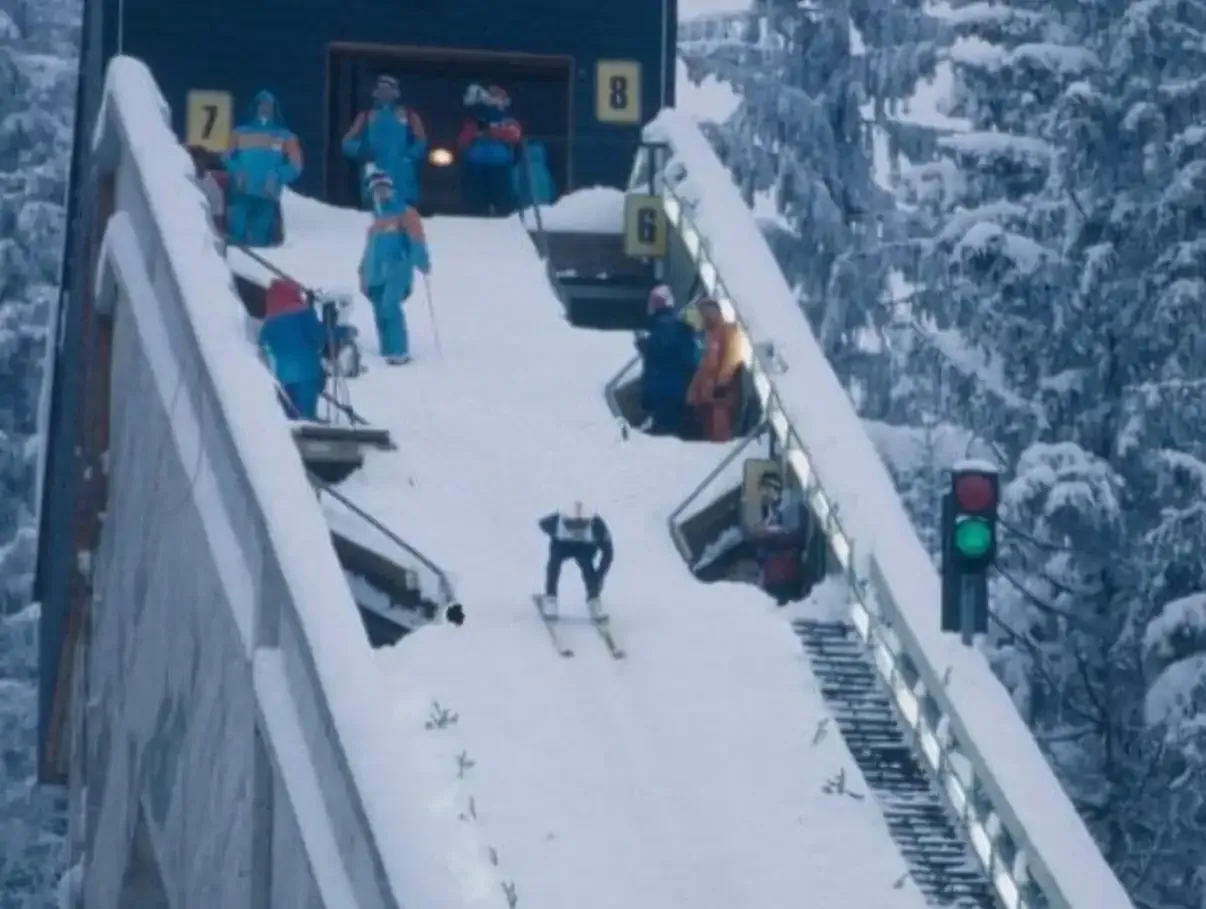
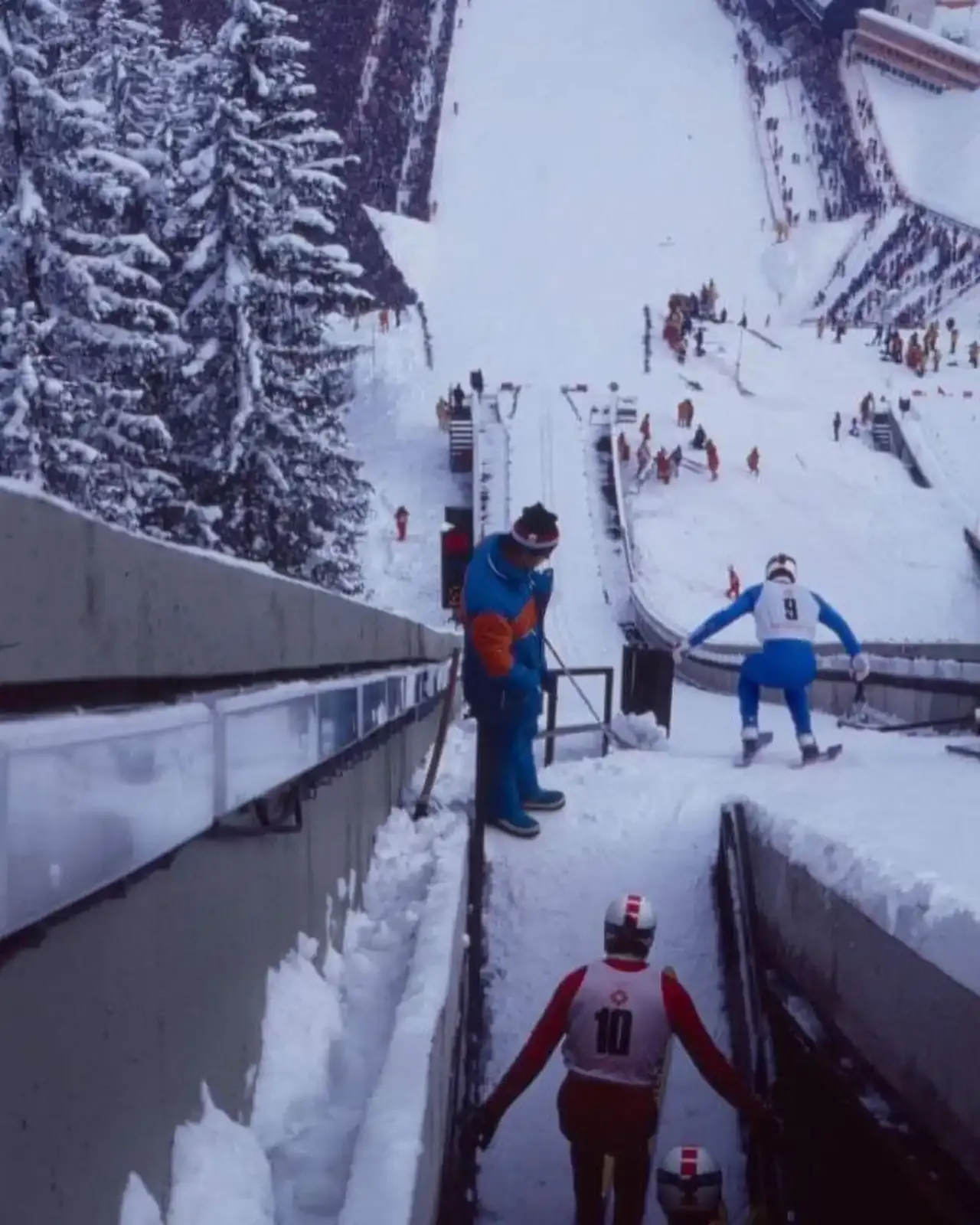
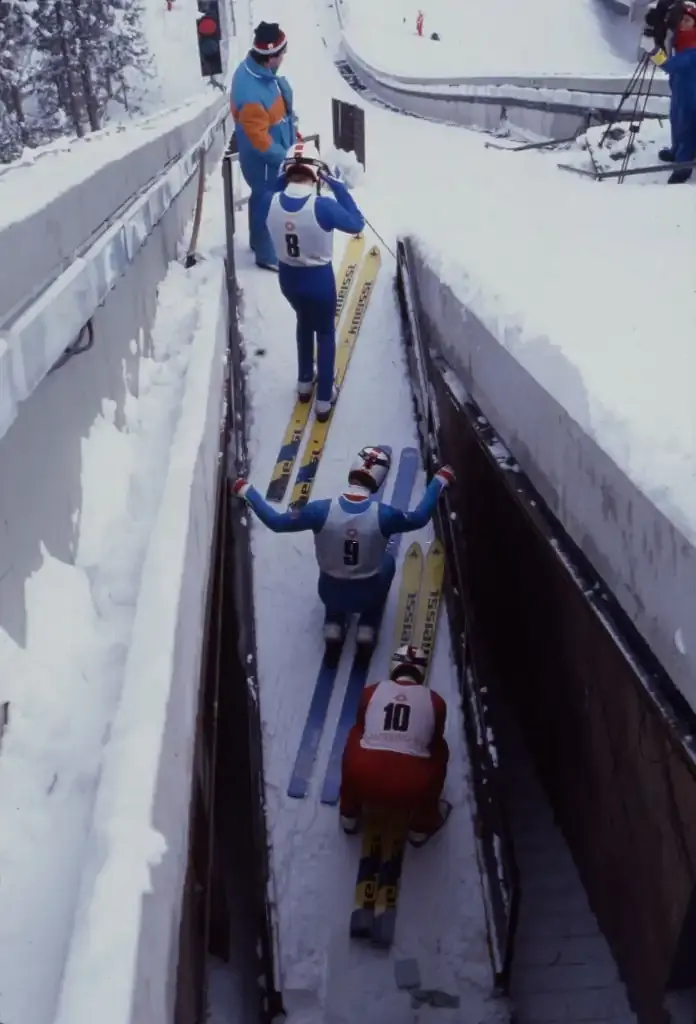
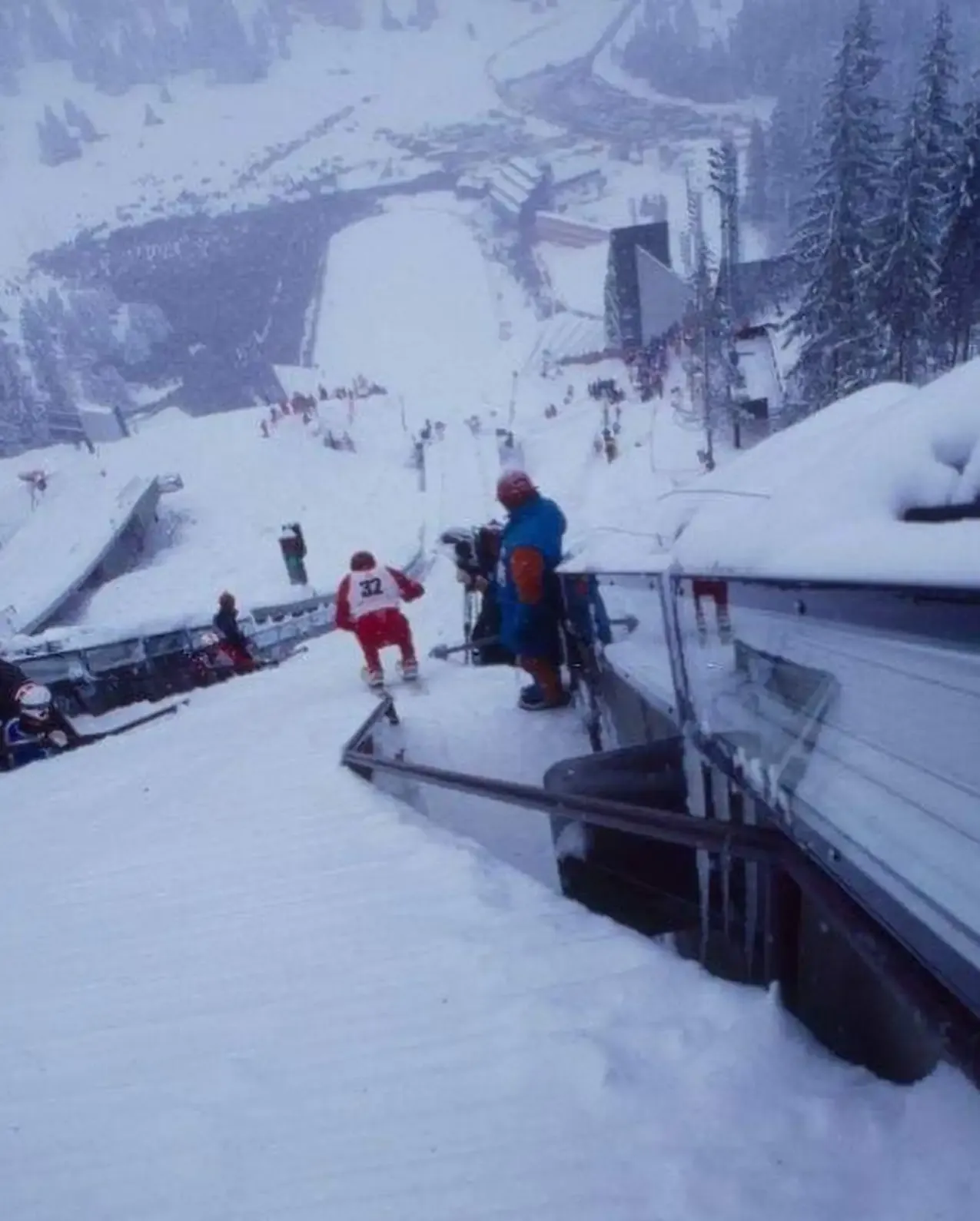
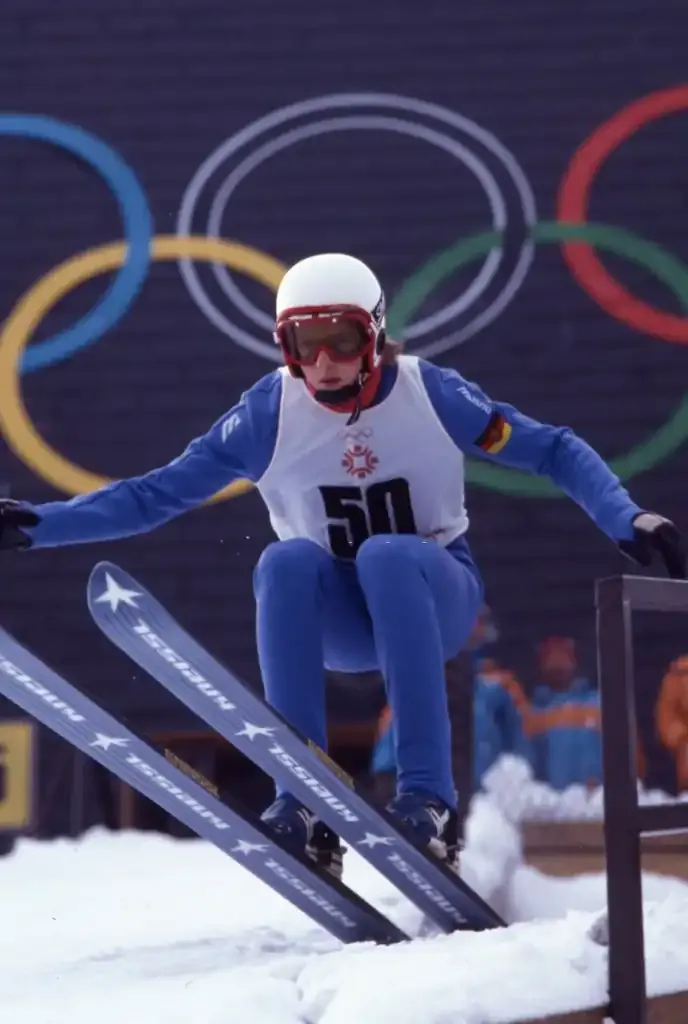
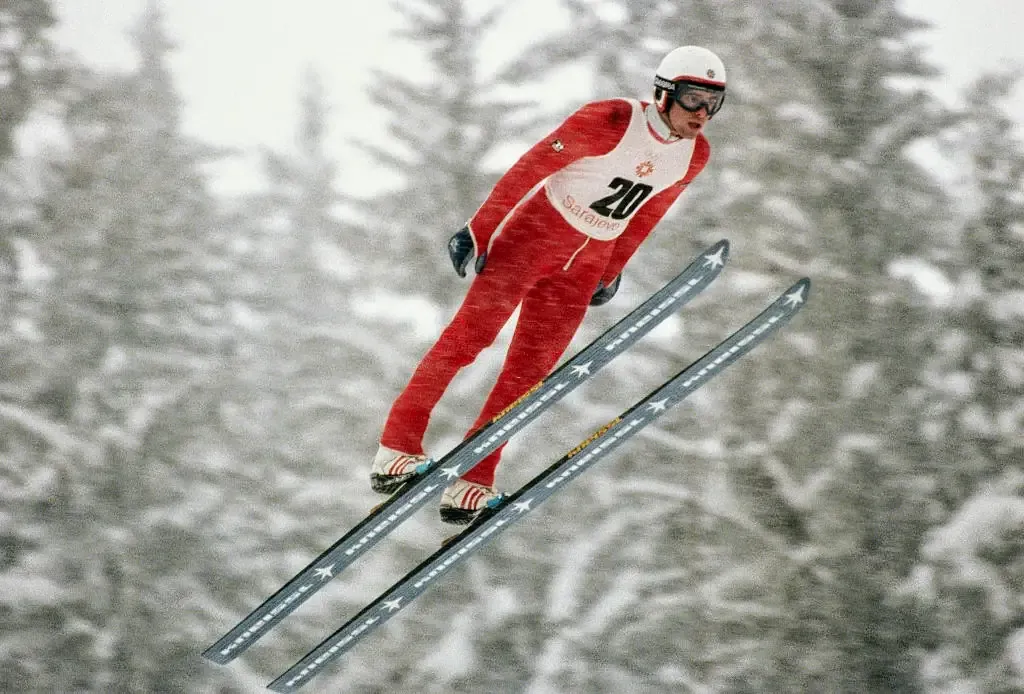
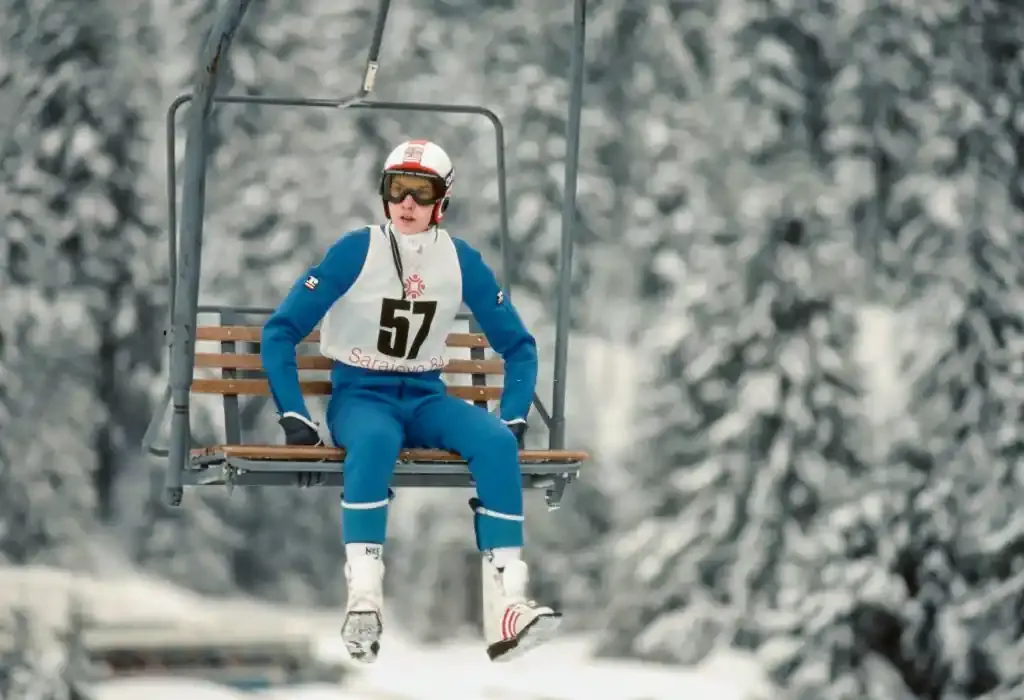
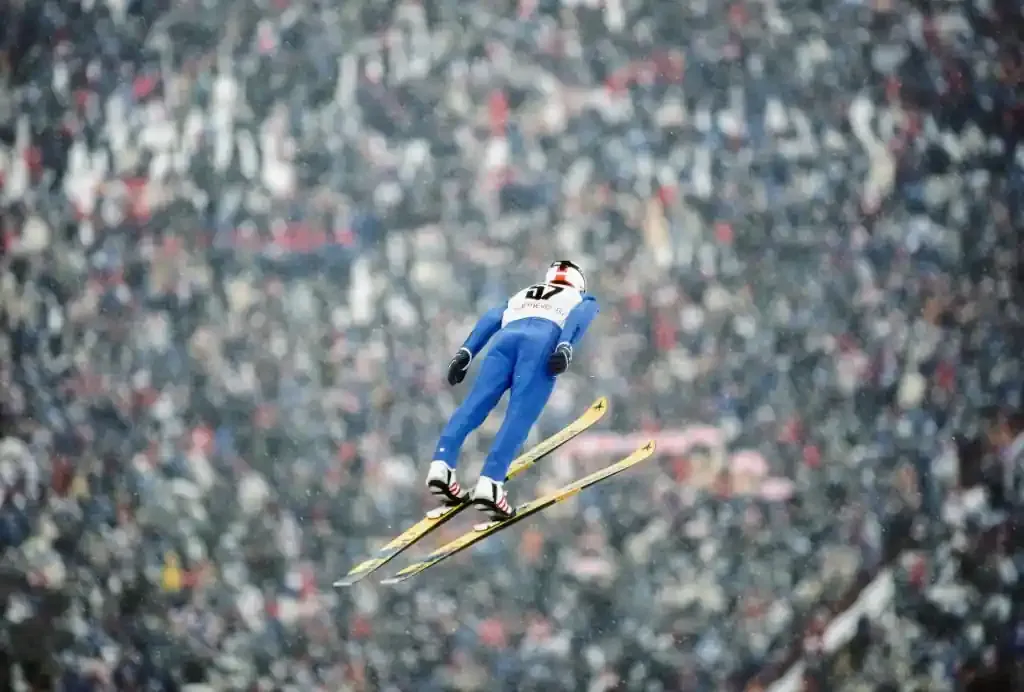
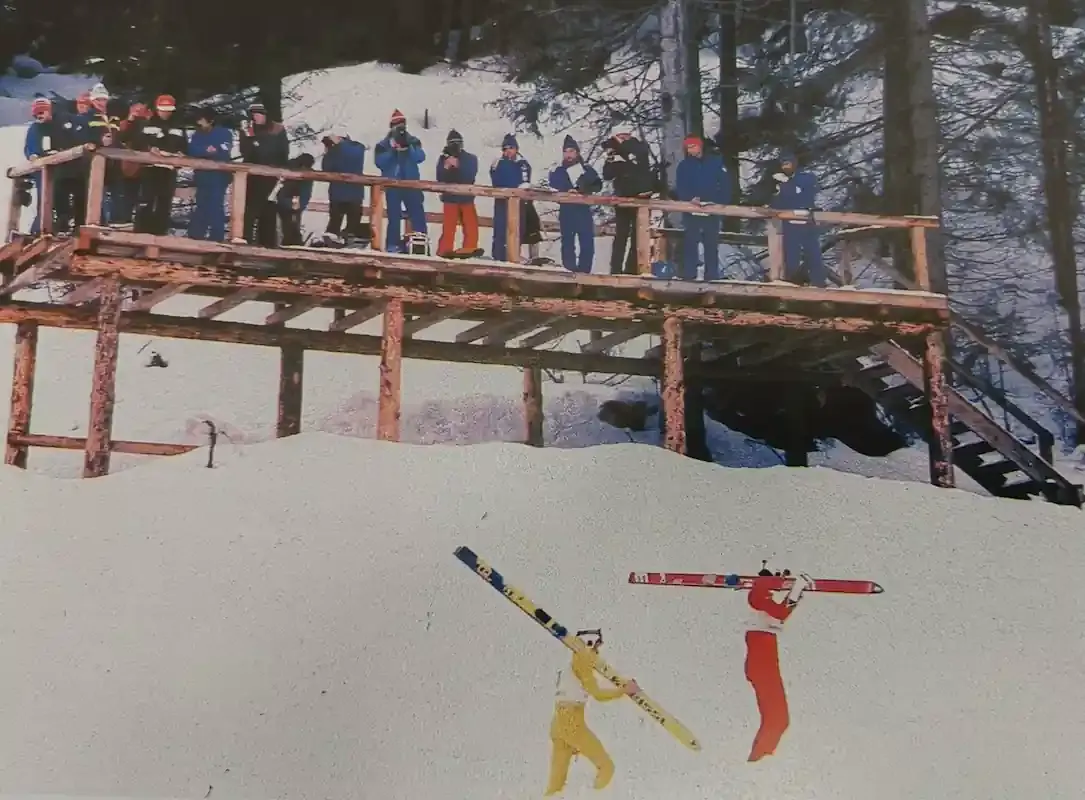
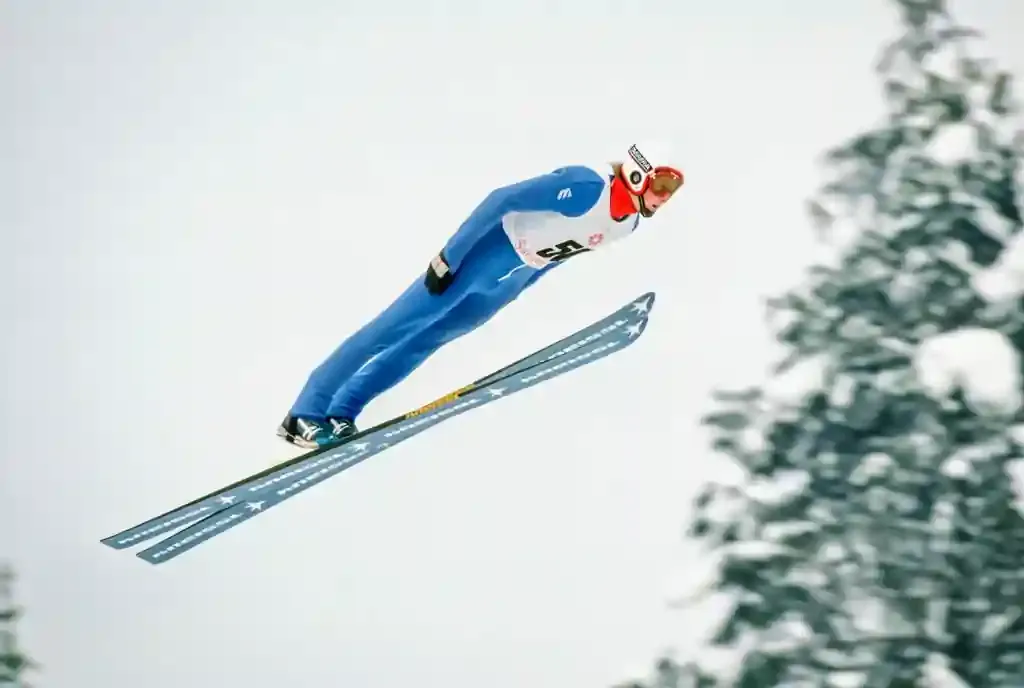
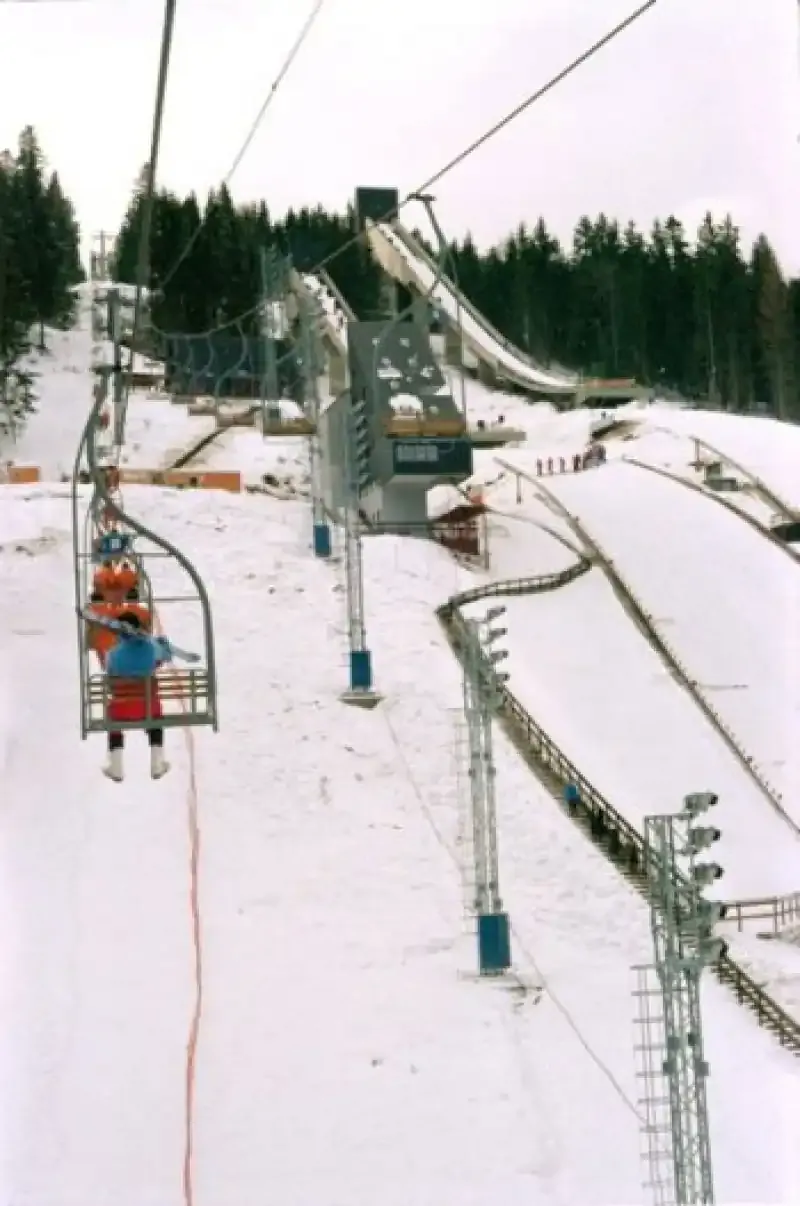
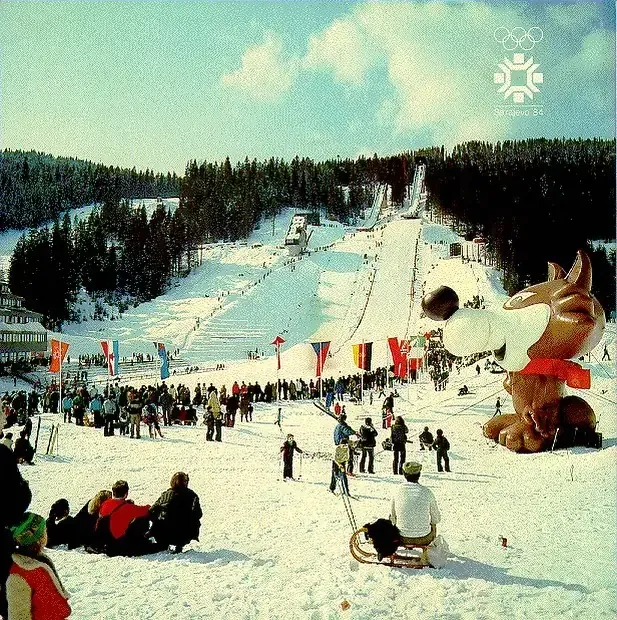
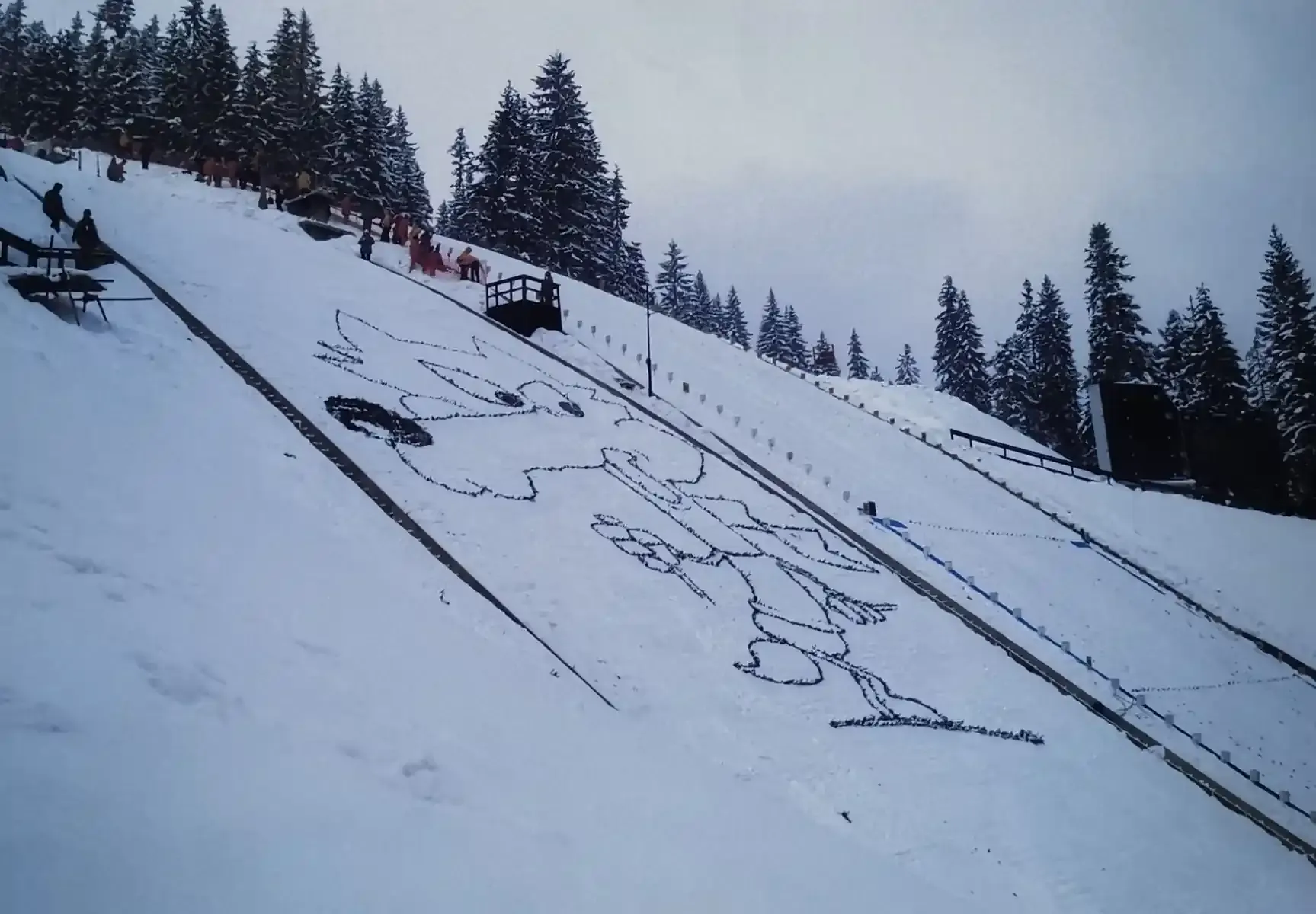
An Olympic-era 1984 photograph shows active ski-jump infrastructure and course-side activity at Malo Polje.
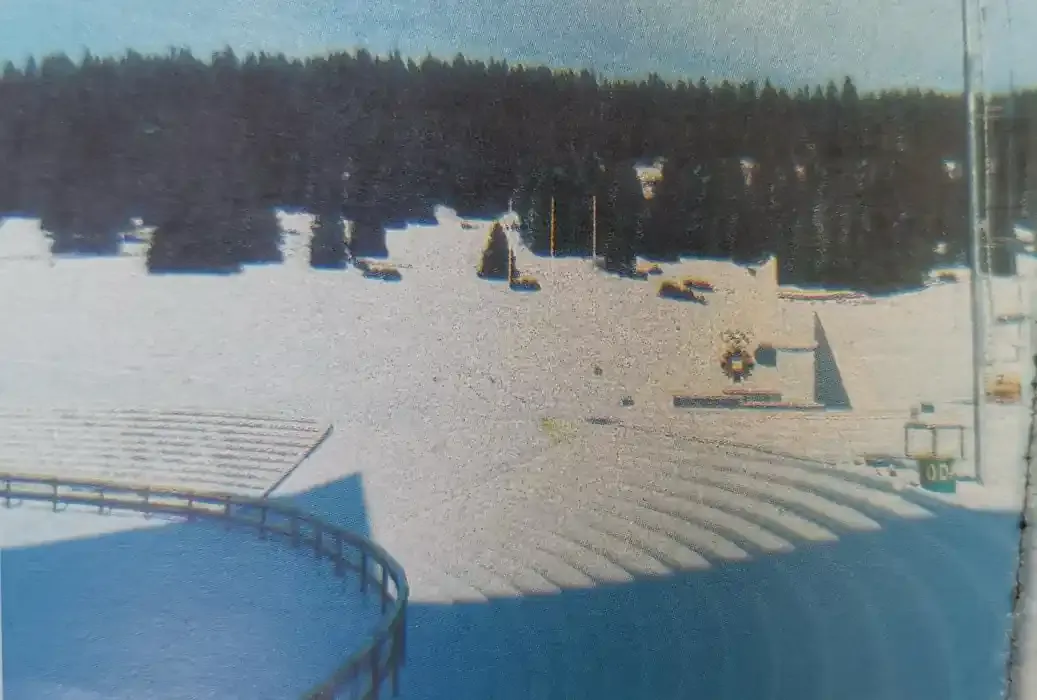
An Olympic-era 1984 photograph shows active ski-jump infrastructure and course-side activity at Malo Polje.
An Olympic-era 1984 photograph shows active ski-jump infrastructure and course-side activity at Malo Polje.
An Olympic-era 1984 photograph shows active ski-jump infrastructure and course-side activity at Malo Polje.
An Olympic-era 1984 photograph shows active ski-jump infrastructure and course-side activity at Malo Polje.
An Olympic-era 1984 photograph shows active ski-jump infrastructure and course-side activity at Malo Polje.
An Olympic-era 1984 photograph shows active ski-jump infrastructure and course-side activity at Malo Polje.
An Olympic-era 1984 photograph shows active ski-jump infrastructure and course-side activity at Malo Polje.
An Olympic-era 1984 photograph shows active ski-jump infrastructure and course-side activity at Malo Polje.
An Olympic-era 1984 photograph shows active ski-jump infrastructure and course-side activity at Malo Polje.
An Olympic-era 1984 photograph shows active ski-jump infrastructure and course-side activity at Malo Polje.
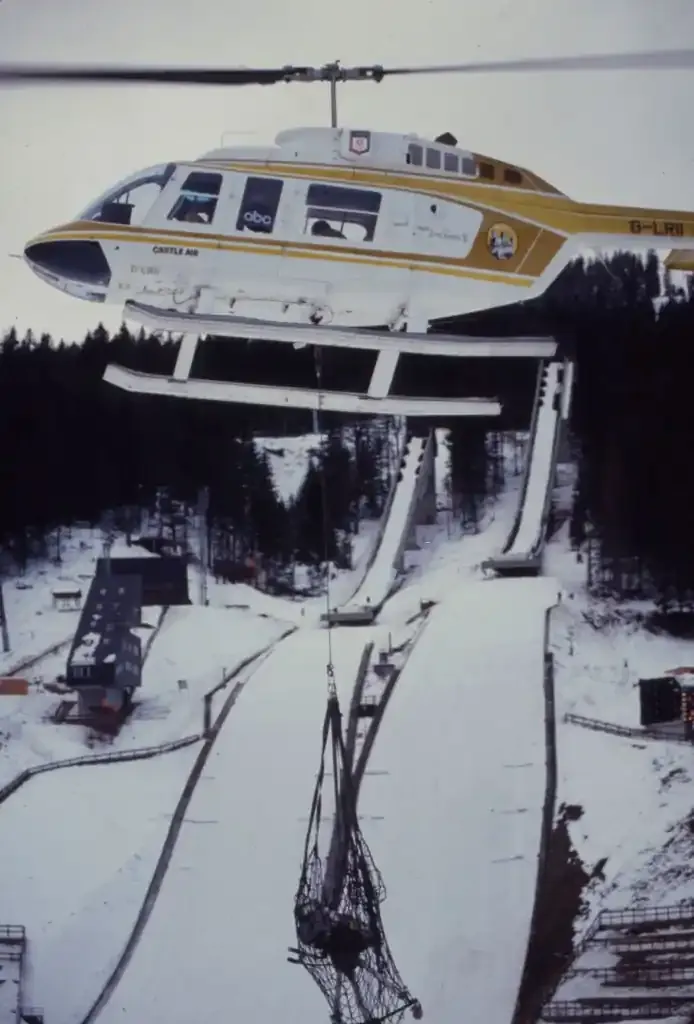
A cable camera transport setup illustrates broadcast logistics used to cover ski-jumping events.
Venue personnel prepare and maintain technical areas during the 1984 competition period.
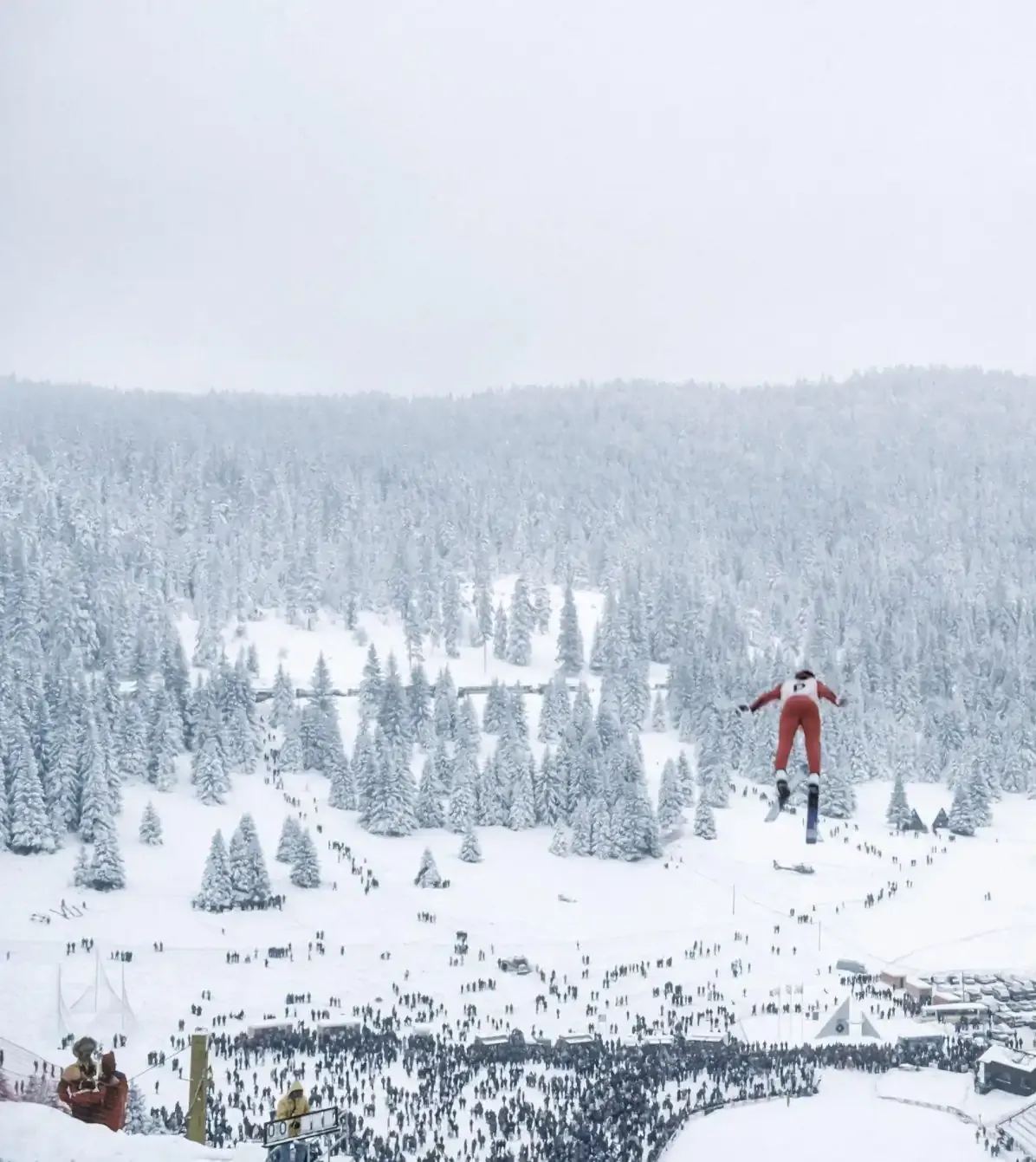
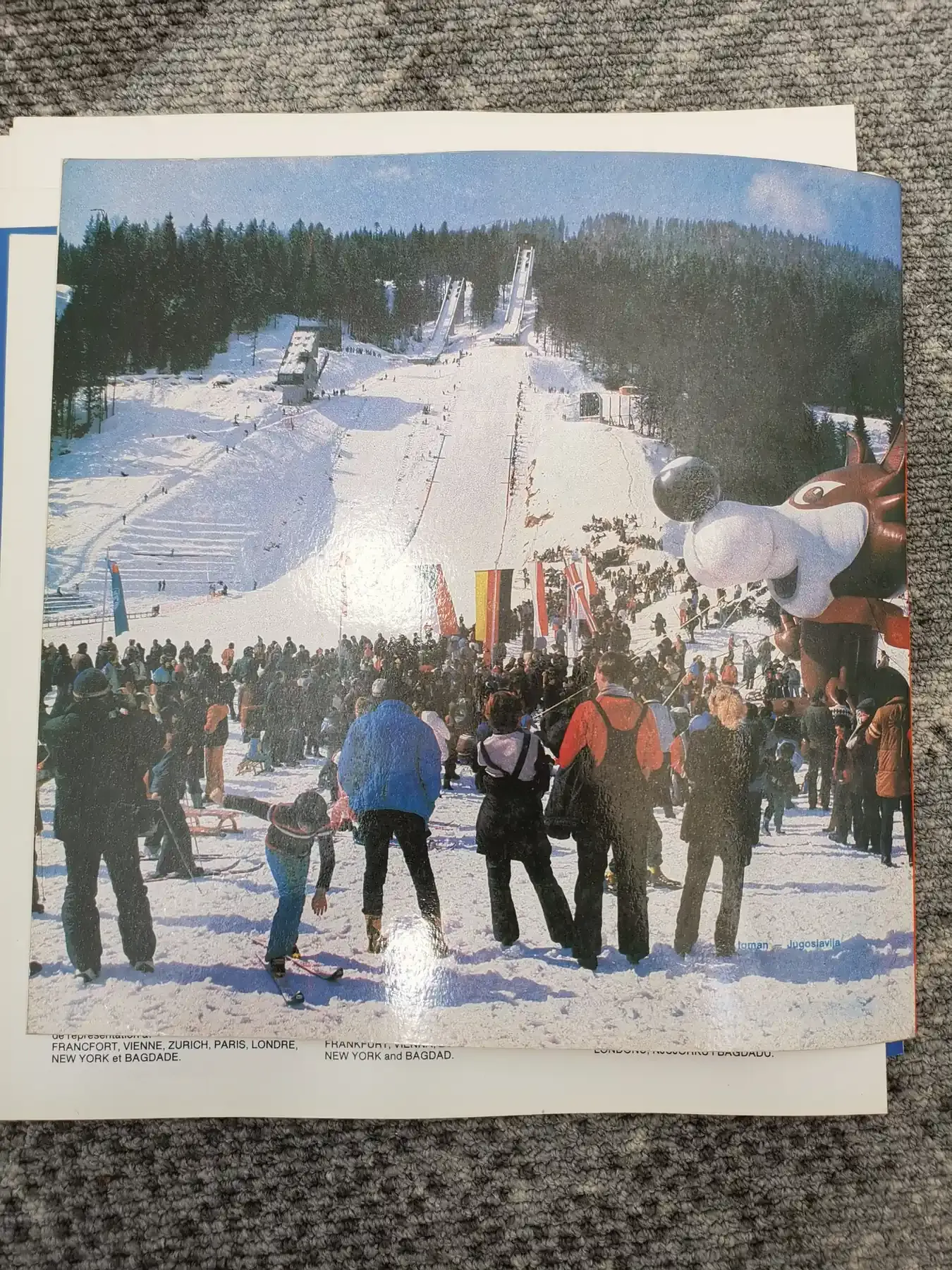
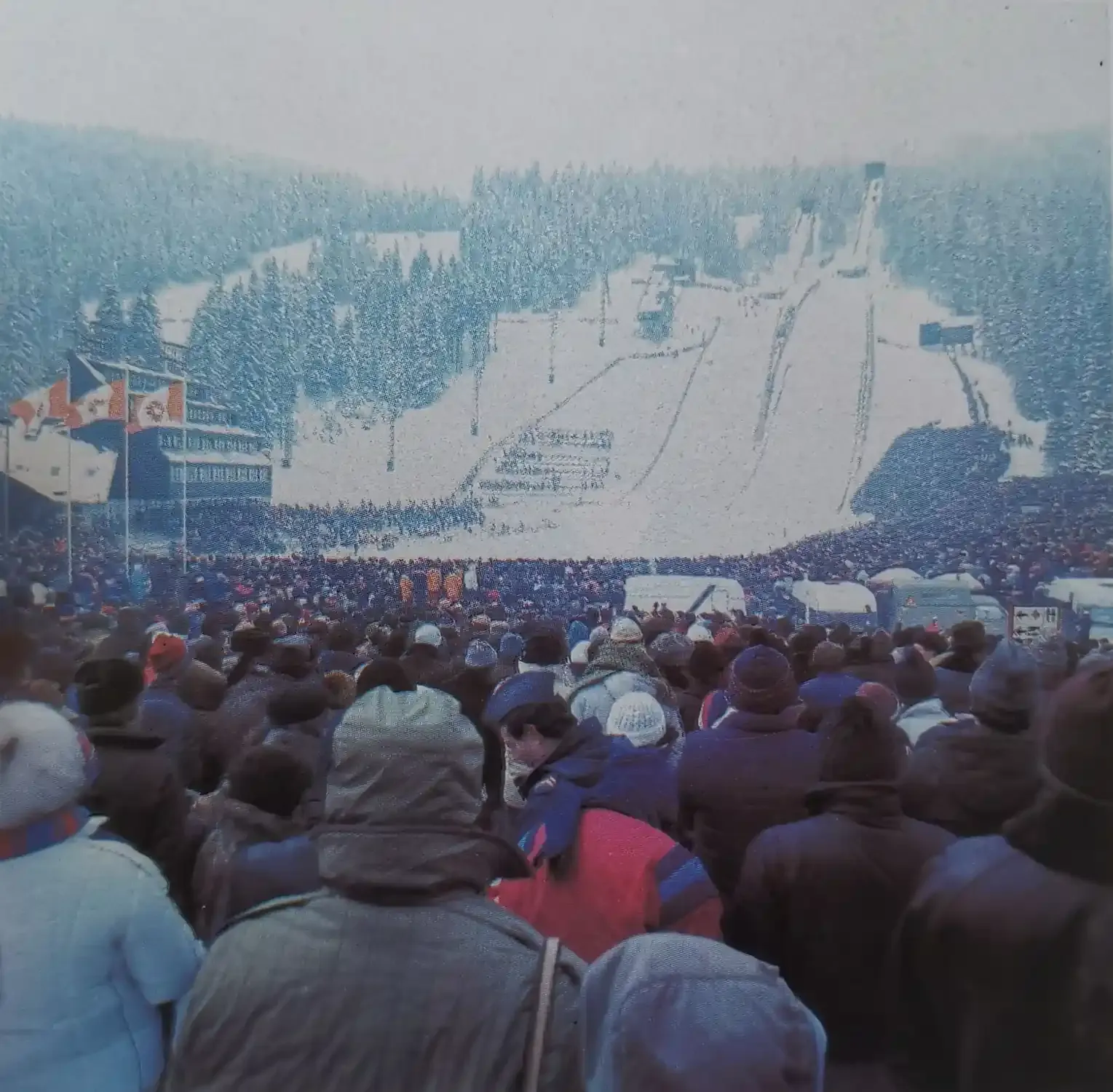
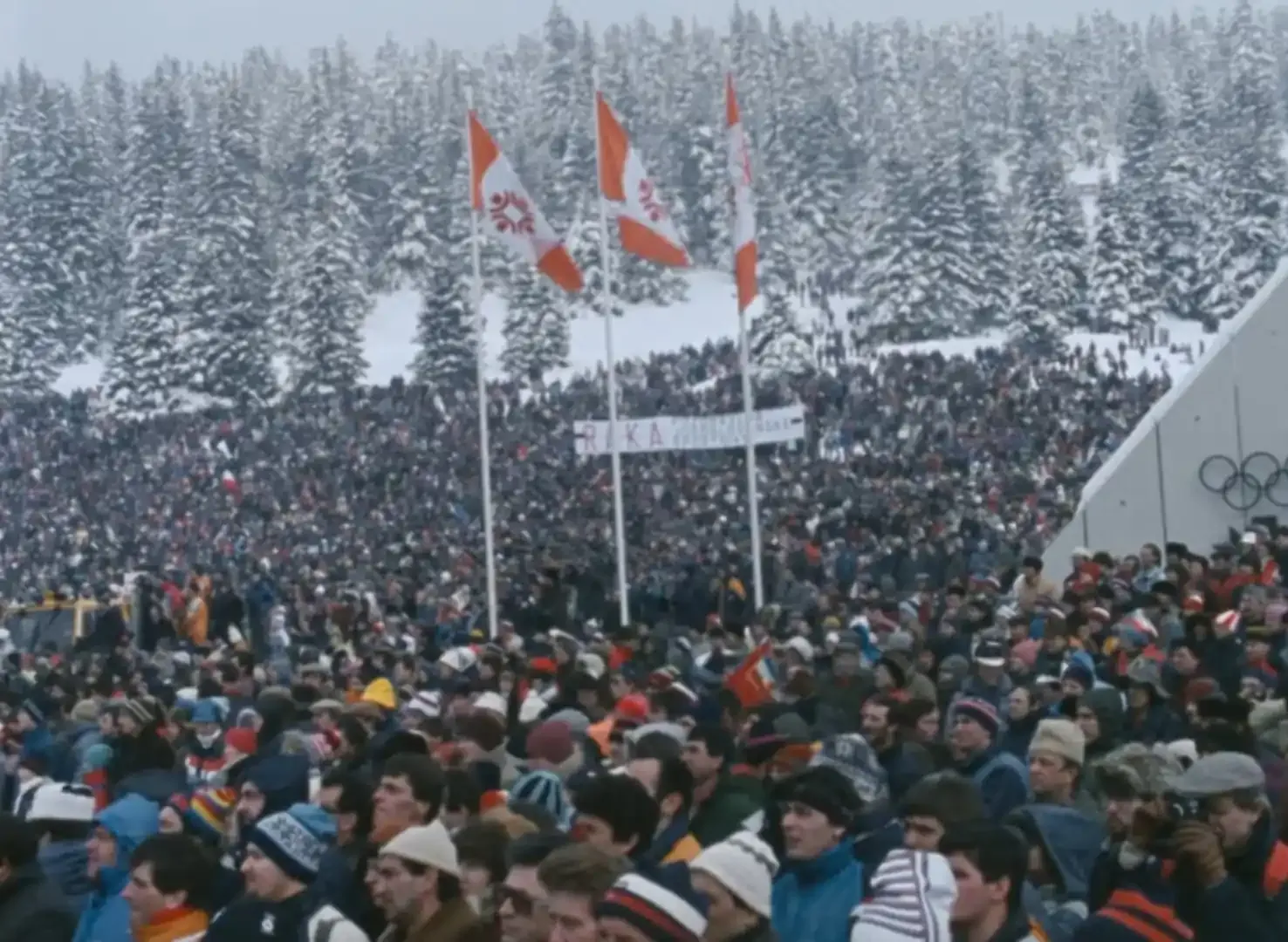
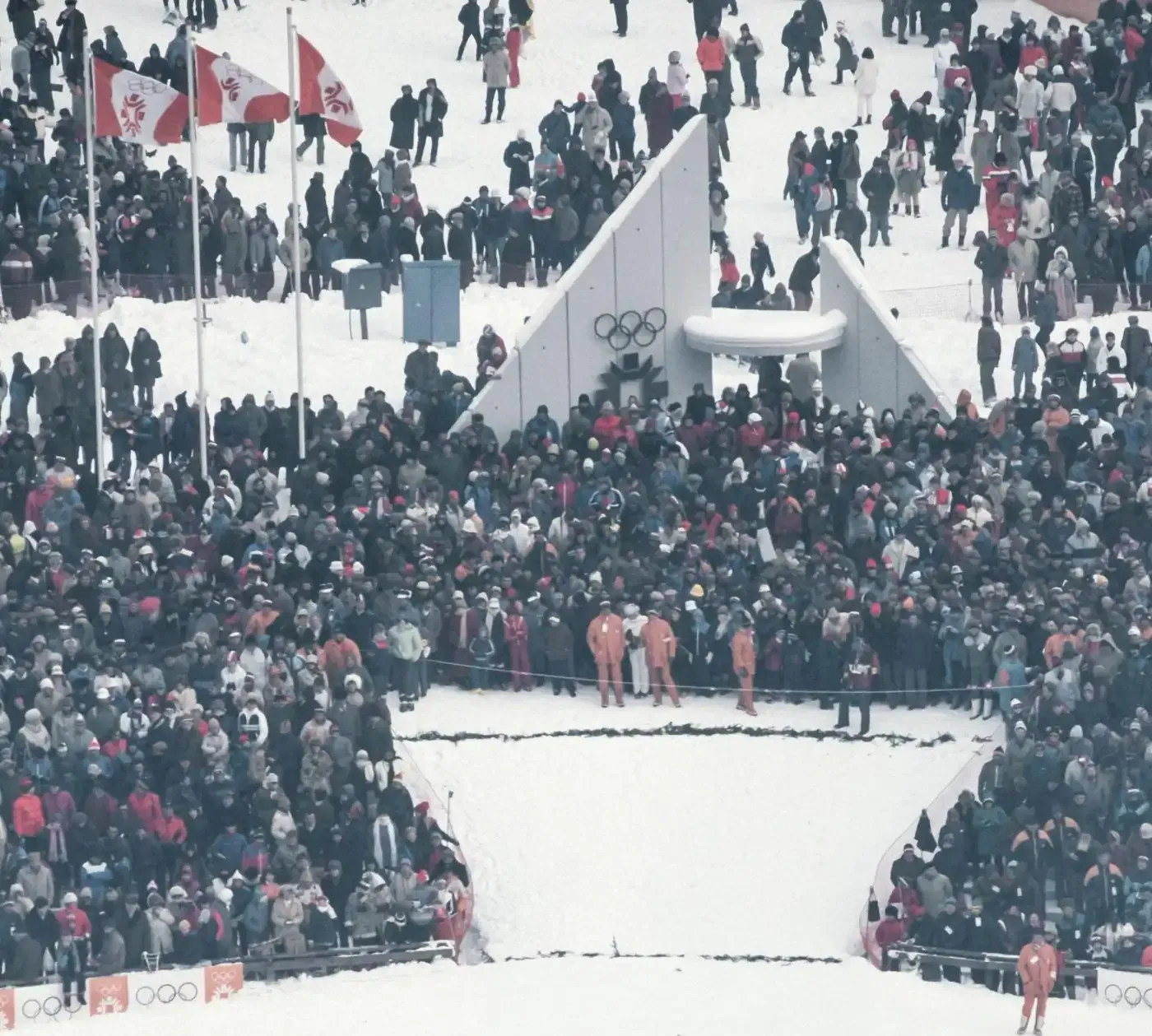
Dense spectator attendance in 1984 demonstrates the extraordinary public turnout at Malo Polje.
Dense spectator attendance in 1984 demonstrates the extraordinary public turnout at Malo Polje.
Dense spectator attendance in 1984 demonstrates the extraordinary public turnout at Malo Polje.
Dense spectator attendance in 1984 demonstrates the extraordinary public turnout at Malo Polje.
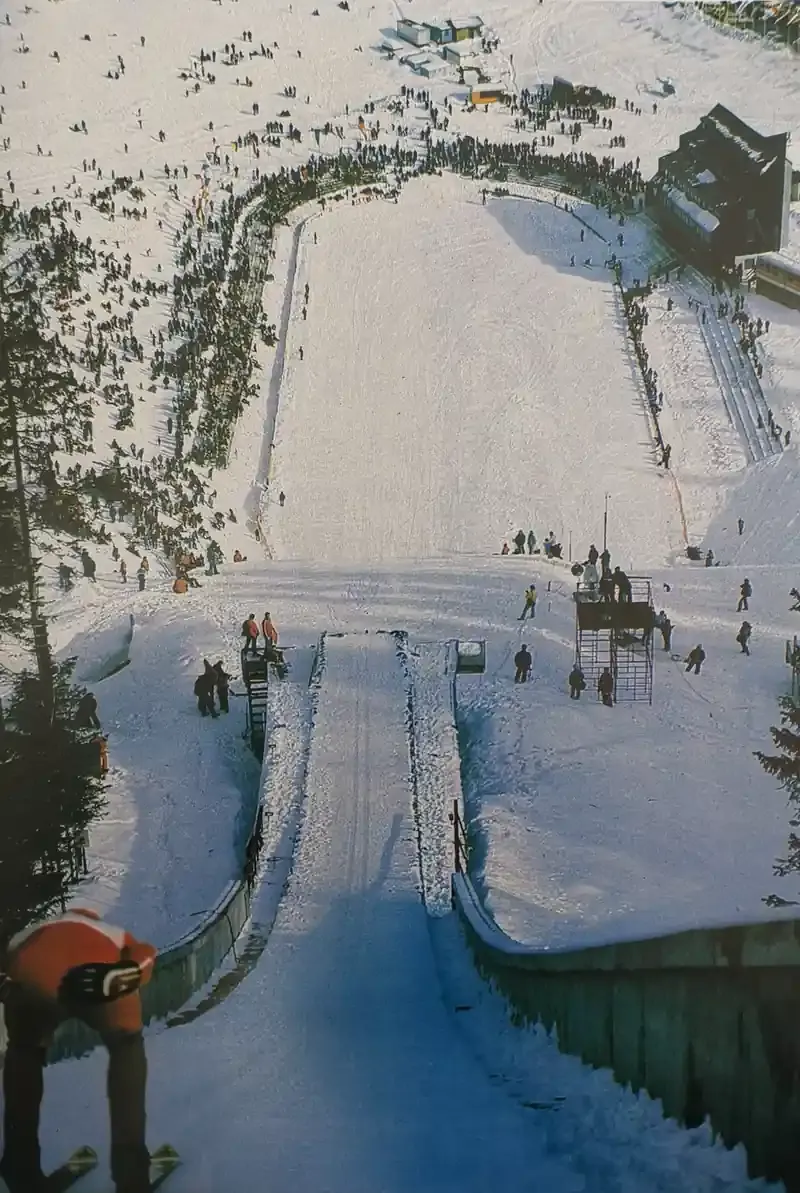
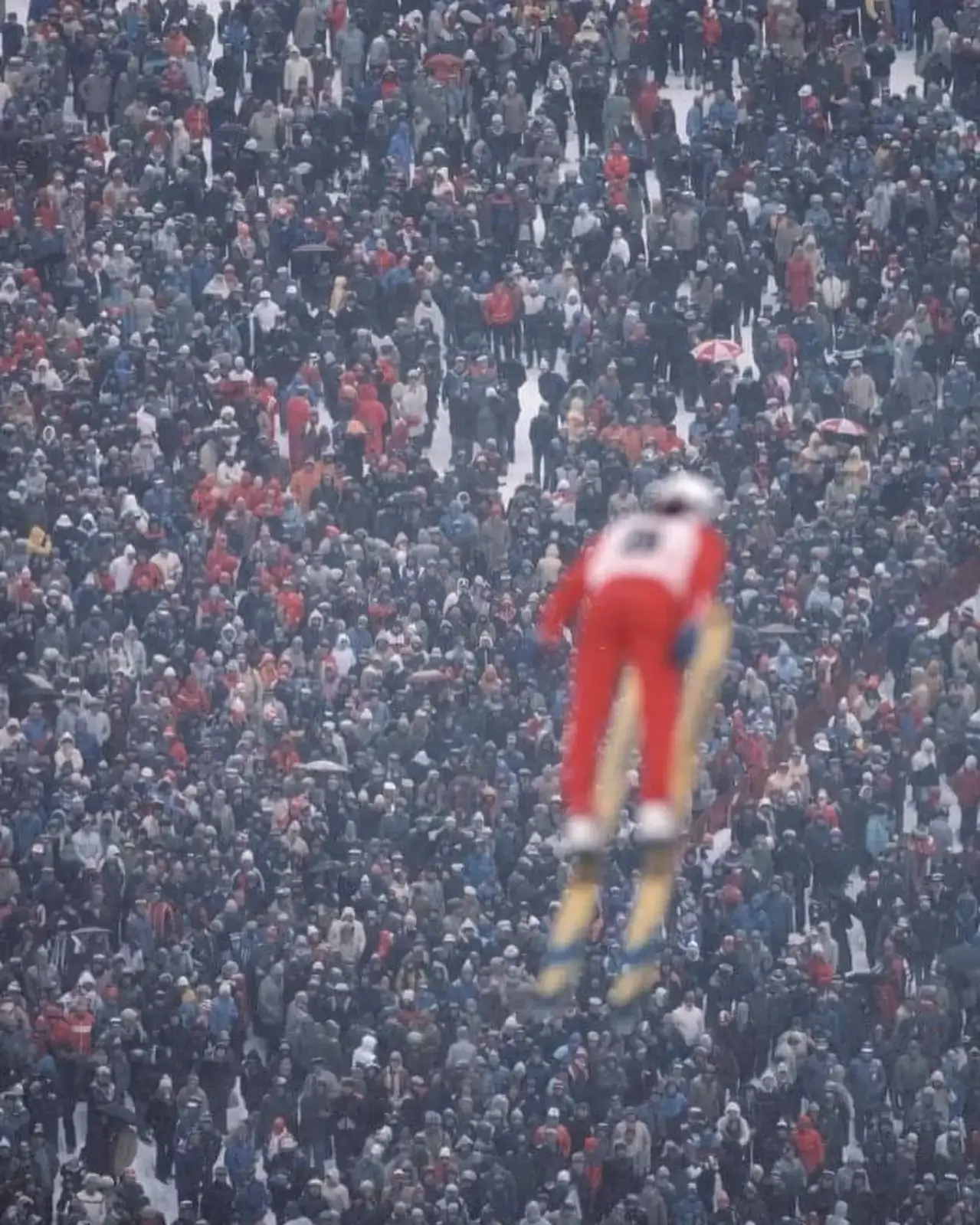
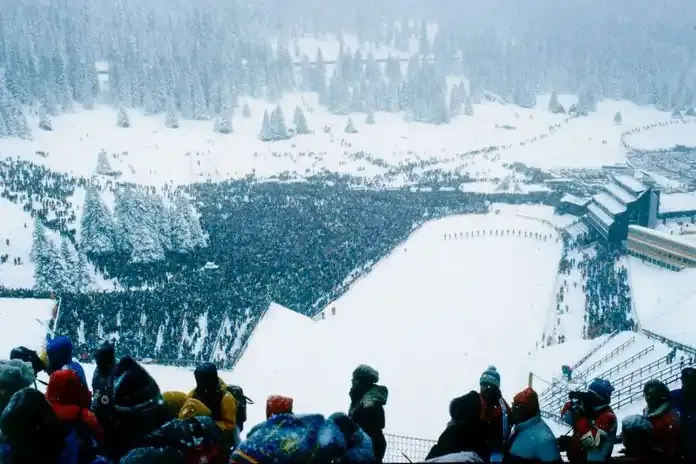
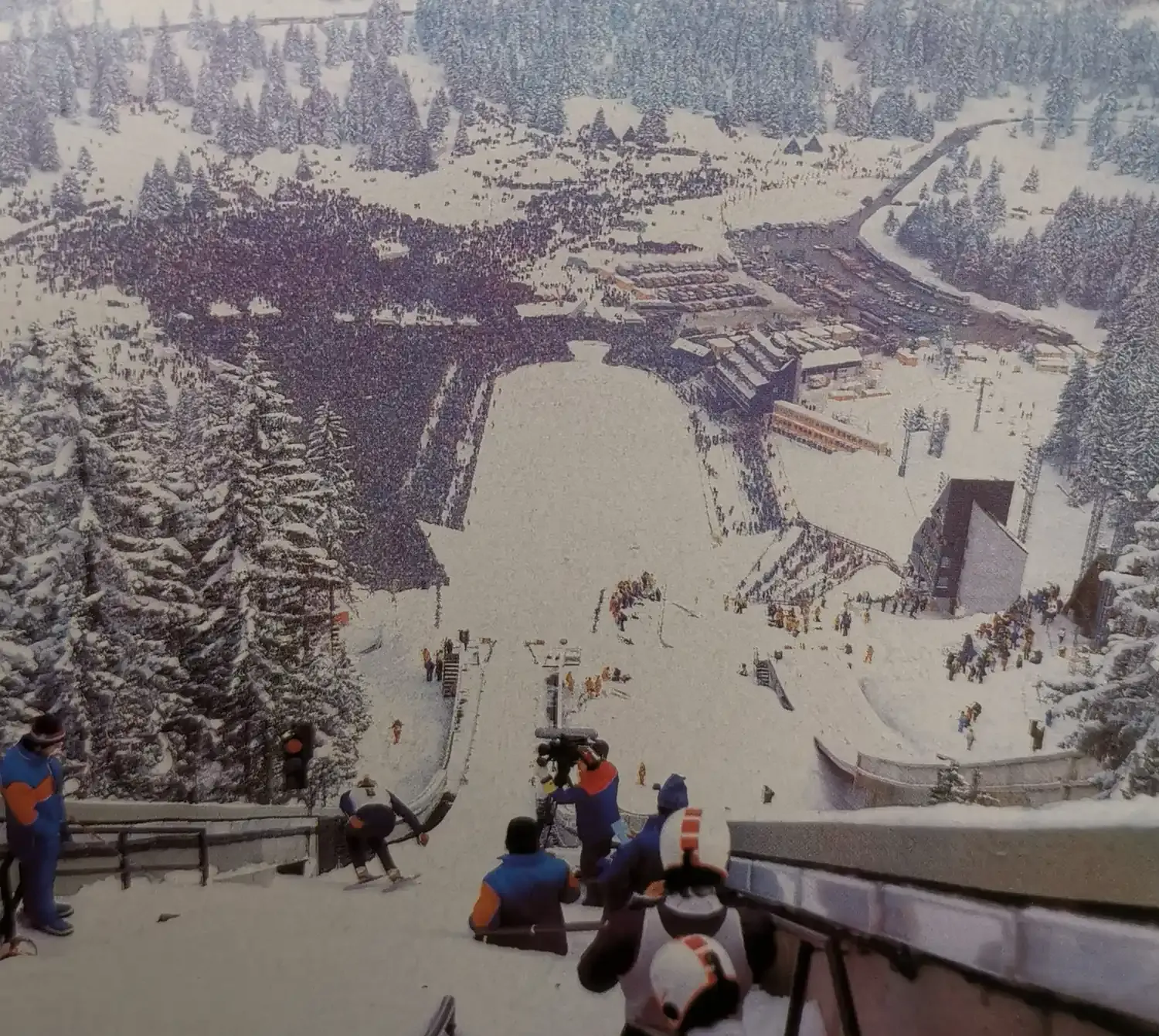
This aerial crowd view reveals how spectators filled the entire natural bowl around the jumps.
A ramp-side crowd perspective emphasizes the scale and intensity of the Olympic atmosphere.
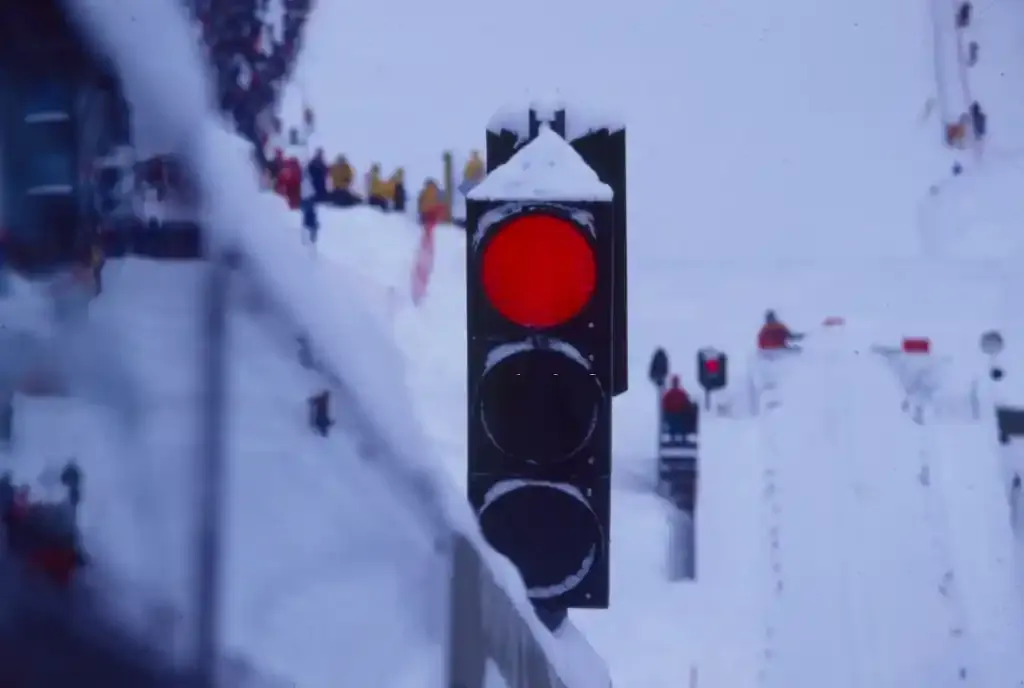
A race-light signal detail records the technical control equipment used during competition.
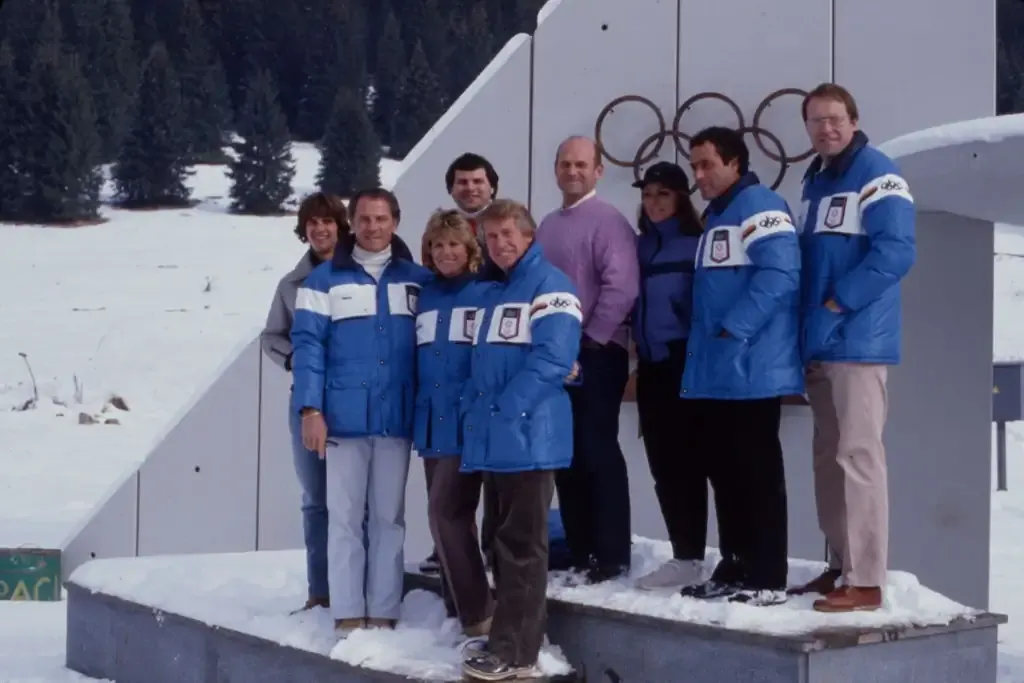
The medal-podium setup marks ceremonial functions integrated into the jump venue.
The medal-podium setup marks ceremonial functions integrated into the jump venue.
The medal-podium setup marks ceremonial functions integrated into the jump venue.
International media crews near the podium show the global broadcast presence at Malo Polje.
The medal-podium setup marks ceremonial functions integrated into the jump venue.
A period poster presents Malo Polje as one of the signature venues of Sarajevo 1984.
Competition-day views of the ramp capture athletes entering and leaving the Olympic jump inrun.
Competition-day views of the ramp capture athletes entering and leaving the Olympic jump inrun.
Competition-day views of the ramp capture athletes entering and leaving the Olympic jump inrun.
Competition-day views of the ramp capture athletes entering and leaving the Olympic jump inrun.
Competition-day views of the ramp capture athletes entering and leaving the Olympic jump inrun.
Ski jumpers and support staff are shown in motion during event operations in February 1984.
Ski jumpers and support staff are shown in motion during event operations in February 1984.
Ski jumpers and support staff are shown in motion during event operations in February 1984.
Ski jumpers and support staff are shown in motion during event operations in February 1984.
Ski jumpers and support staff are shown in motion during event operations in February 1984.
Ski jumpers and support staff are shown in motion during event operations in February 1984.
Athletes riding the chairlift reflect the uphill transport system supporting jump operations.
Vučko-themed Olympic imagery links the venue to Sarajevo '84 visual identity.
Vučko-themed Olympic imagery links the venue to Sarajevo '84 visual identity.
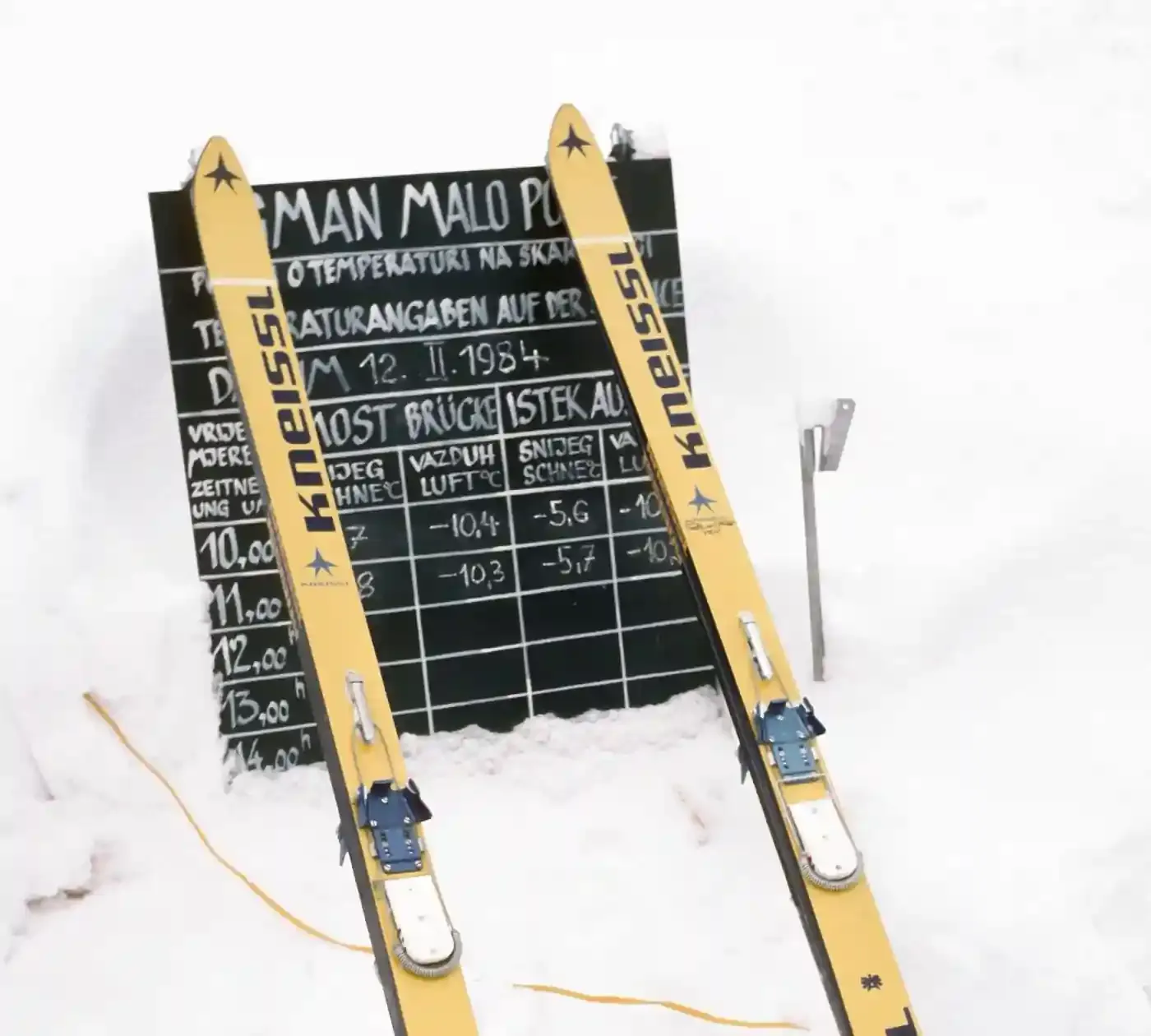
A weather board and skis document the snow and wind monitoring crucial for safe jumps.
During the Games, Malo Polje became the site of intense competition and record-breaking attendance. The venue hosted the world's elite "ski eagles," including Matti Nykänen (Finland) and Jens Weißflog (GDR), who engaged in a fierce battle for supremacy. On 12 February, Weißflog secured the gold on the 70-metre hill, while Nykänen took silver.
The rivalry culminated on 18 February during the 90-metre event. On a clear, sunny day, a massive crowd of approximately 80,000 spectators gathered in the natural amphitheatre, a record attendance for the 1984 Games up to that point. Observers described the atmosphere as "magnificent," with the audience filling the platforms and the surrounding mild slopes.
In the final showdown, Nykänen dominated the field. After jumping 116 metres in the first series, he secured the gold medal with a second jump of 111 metres, decisively beating Weißflog, who took silver. The event also saw a strong showing from local competitors, with Yugoslav jumper Tomaž Dolar finishing in 11th place.
Technical Snapshot (1984 Setup)
The complex at Malo Polje was designed by the renowned Slovenian brothers Janez and Vlado Gorišek, who were also responsible for the famous ski flying hill in Planica.
Construction began on 1 June 1981 and was completed by 1 December 1982. The venue’s readiness was confirmed during the pre-Olympic competitions held from 10–18 February 1983, where the facilities were tested under international conditions for Nordic Combined and Ski Jumping.
The facility featured:
-
Two main competition hills:
-
70-metre hill: Used for the "normal hill" individual competition and the Nordic Combined jumping event; equipped with plastic matting for year-round training.
-
90-metre hill: Used for the "large hill" competition.
-
-
Three smaller wooden jumps: Intended for training and youth development.
-
Layout: The jumps were oriented parallel to one another, sharing a common oval landing slope and out-run area.
-
Judges' tower: A spacious tower housed competition management, International Ski Federation (FIS) delegates, and an electronic measurement centre for length measurement.
-
Commentary and officials’ building: Next to the landing area, a large building provided platforms for official guests and two floors for radio and television commentators.
-
Press centre: Operated by the Ljubljana newspaper Delo; opened on 1 February 1984 with 50 desks, teleprinters, and 16 phone booths.
-
Spectator capacity: Constructed platforms held 25,000, while the surrounding natural slopes allowed the venue to absorb crowds up to 80,000 during peak events.
-
Lift infrastructure: A two-seater chairlift (capacity 1,200 skiers/hour) was installed between October 1982 and October 1983, serving both as transport for jumpers to the start towers and for recreational skiers on the adjacent piste.
Then and Now: Destruction and Survival
Post-war ruin and present-day condition
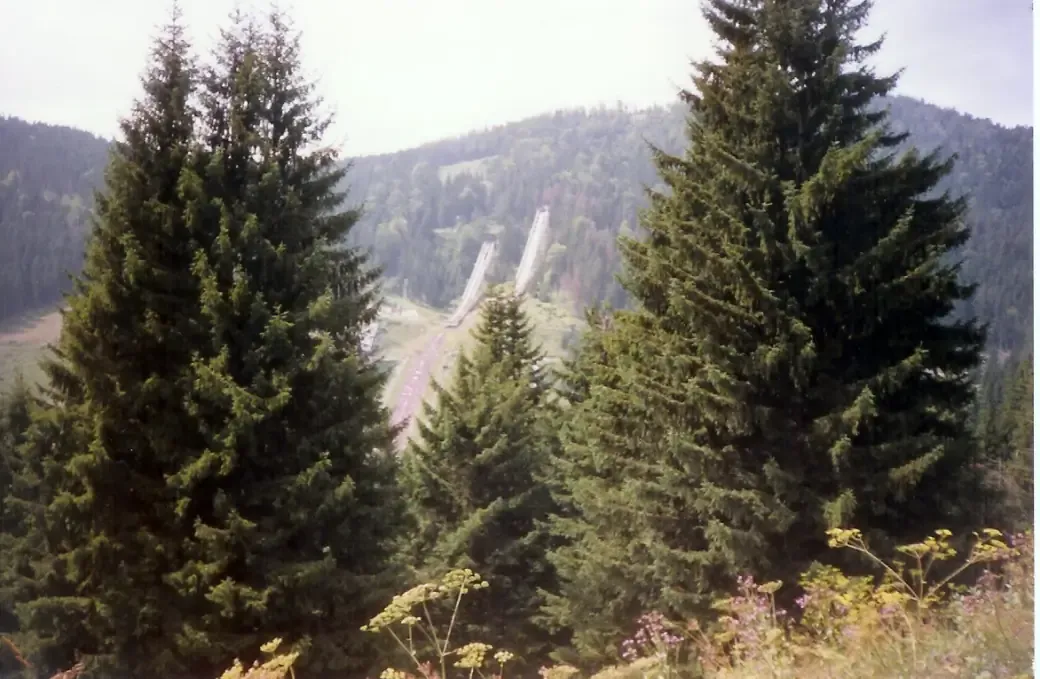
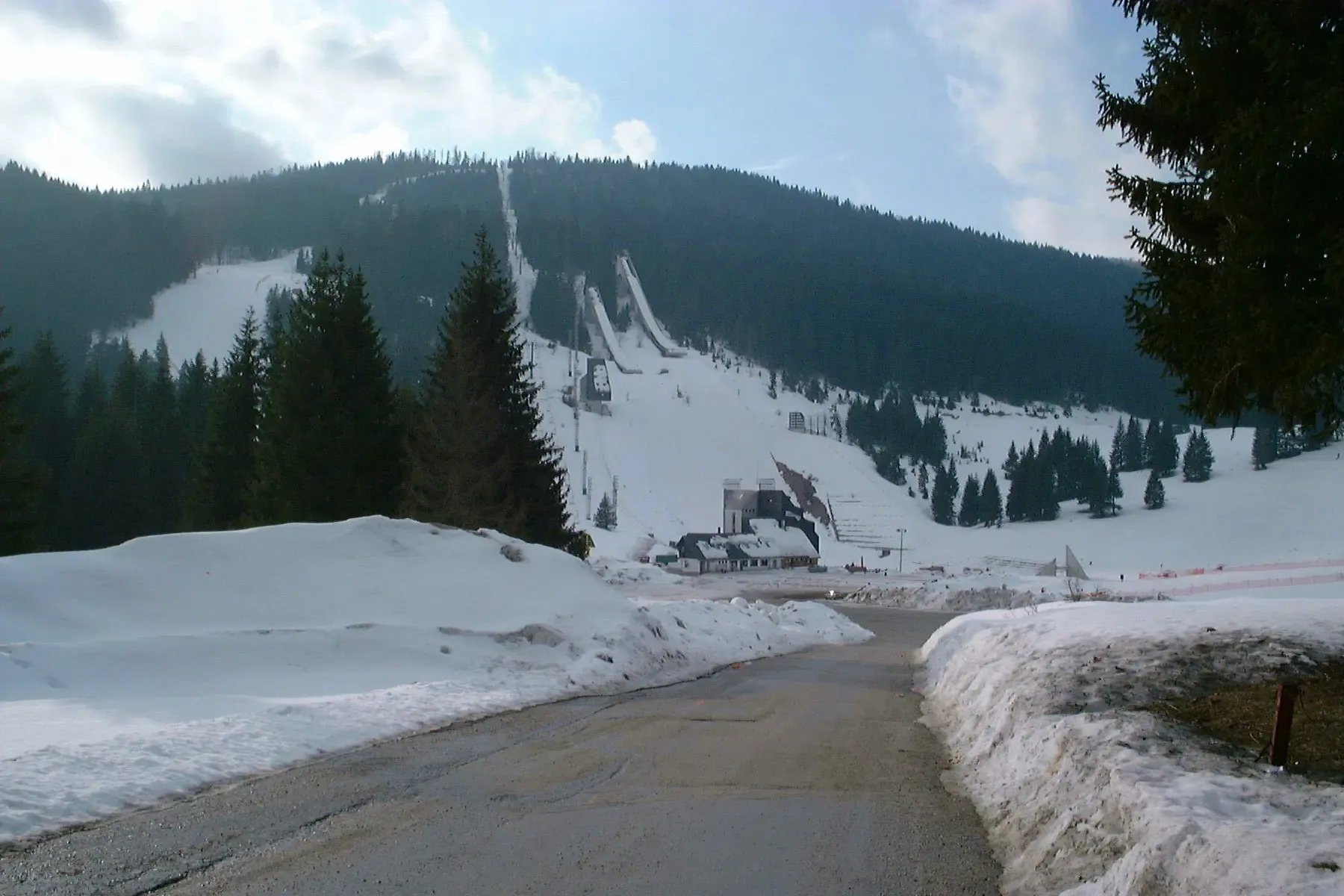
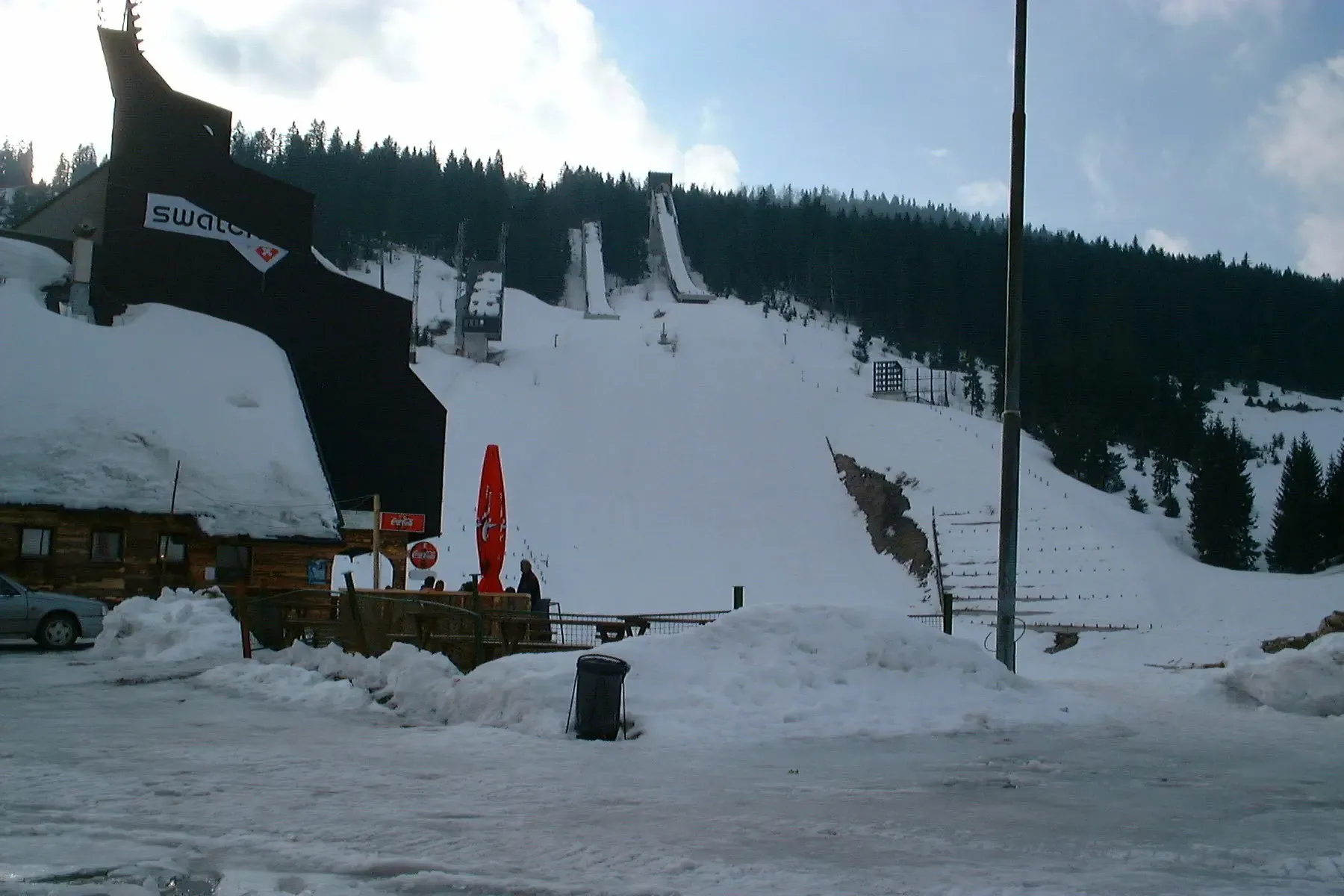
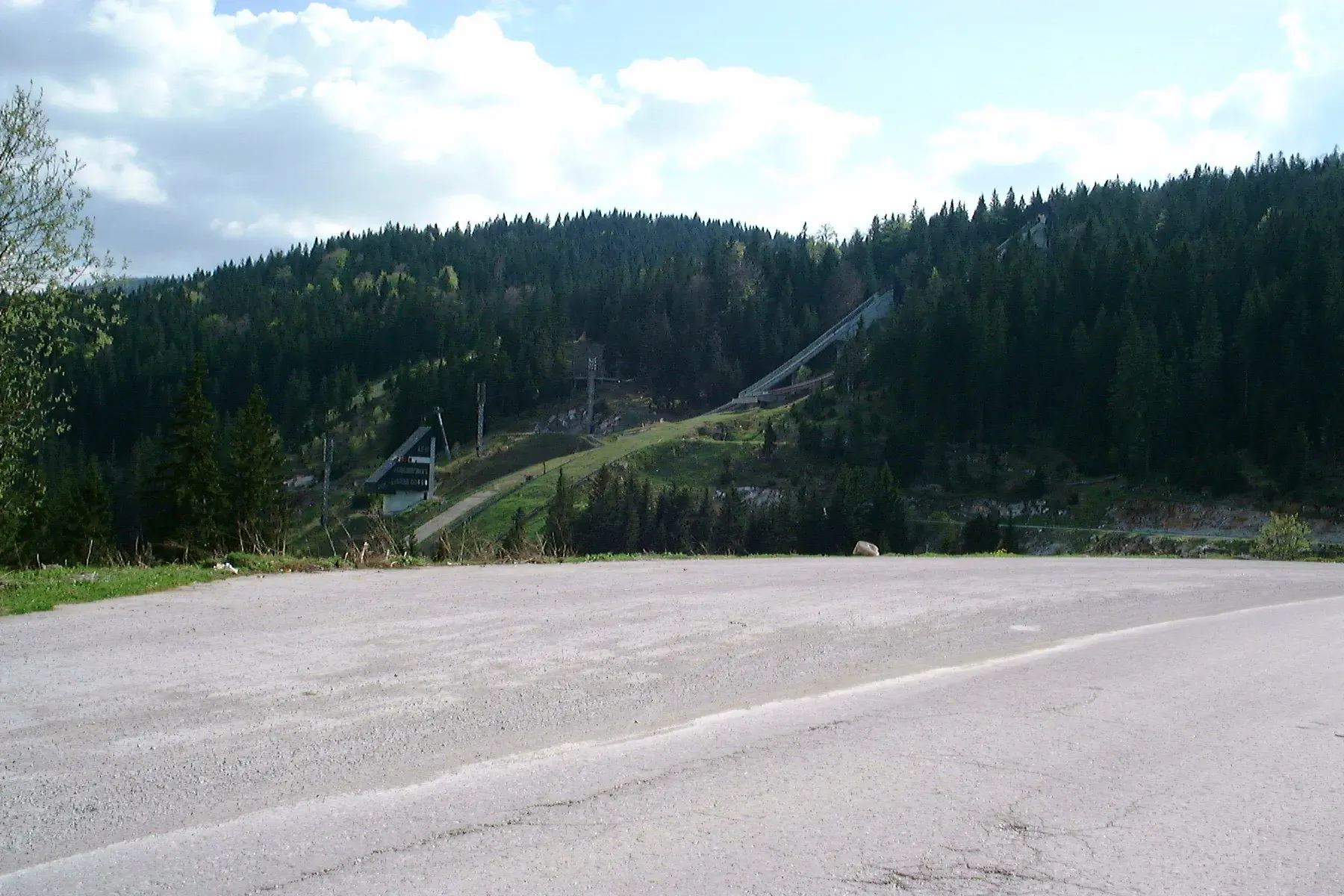
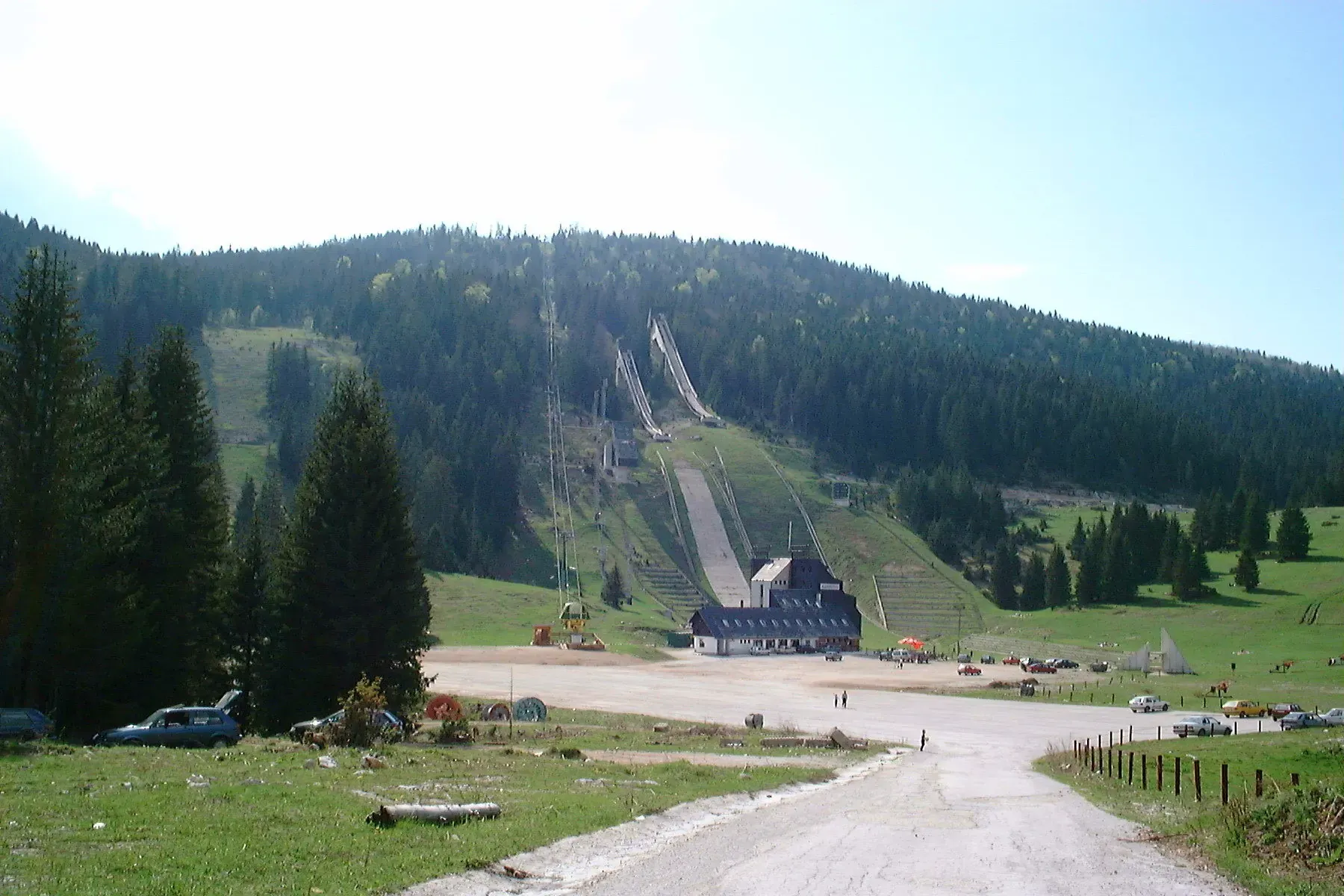
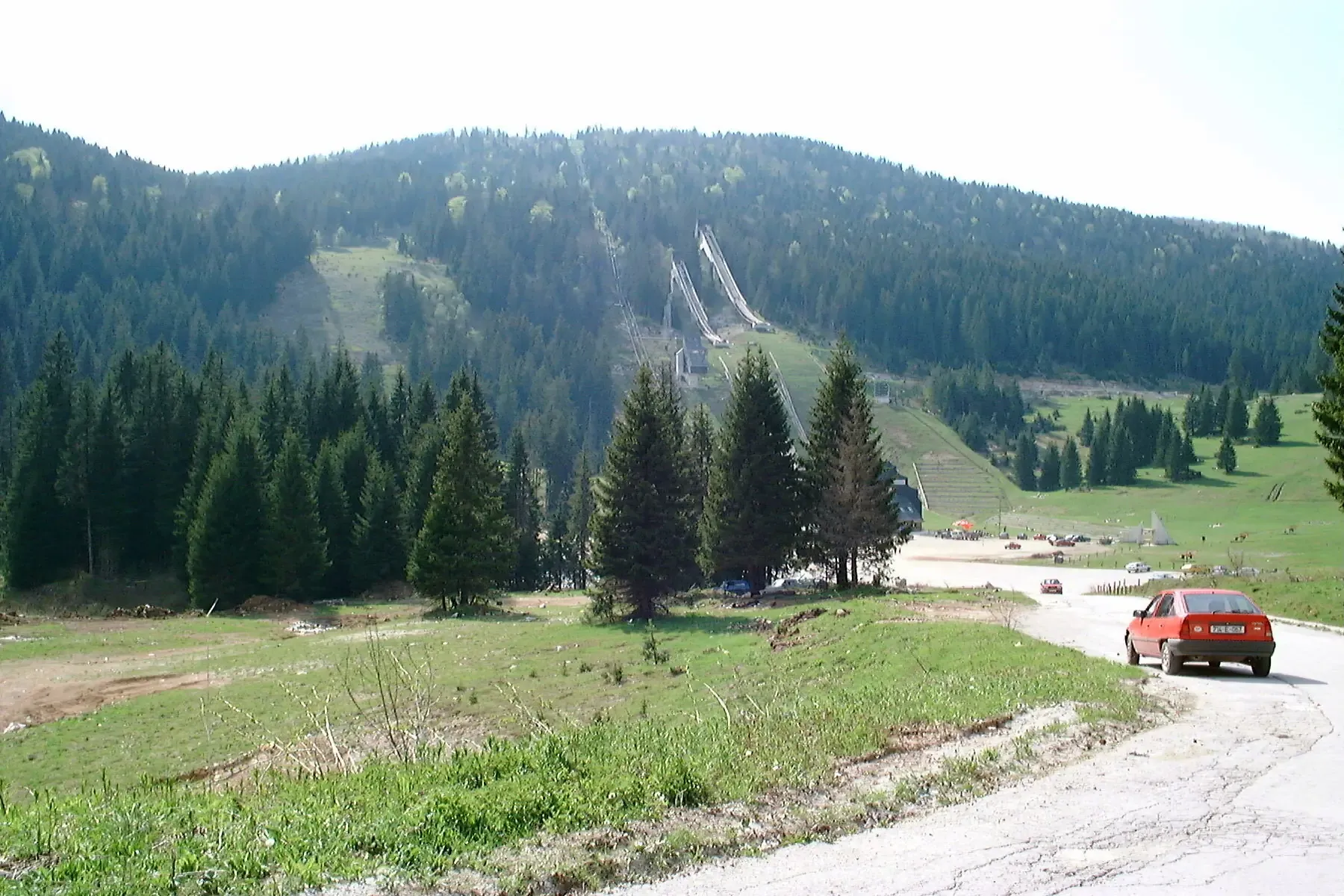
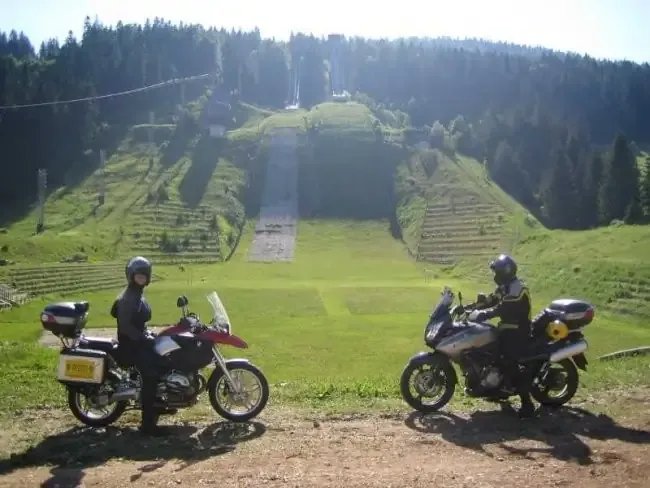
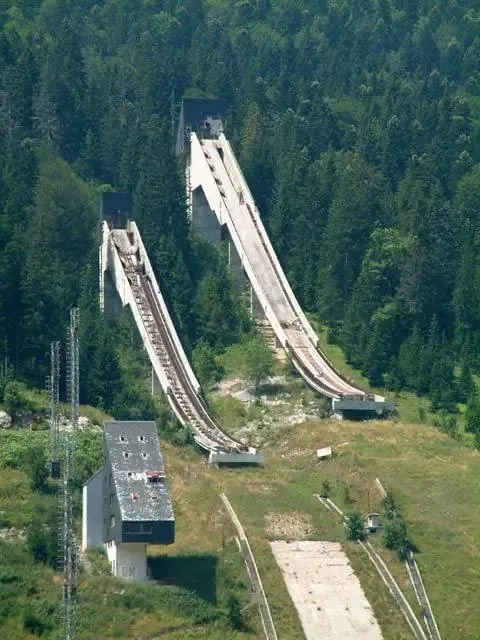
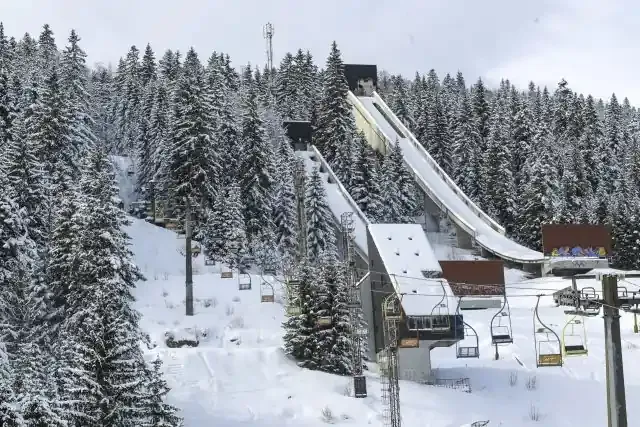
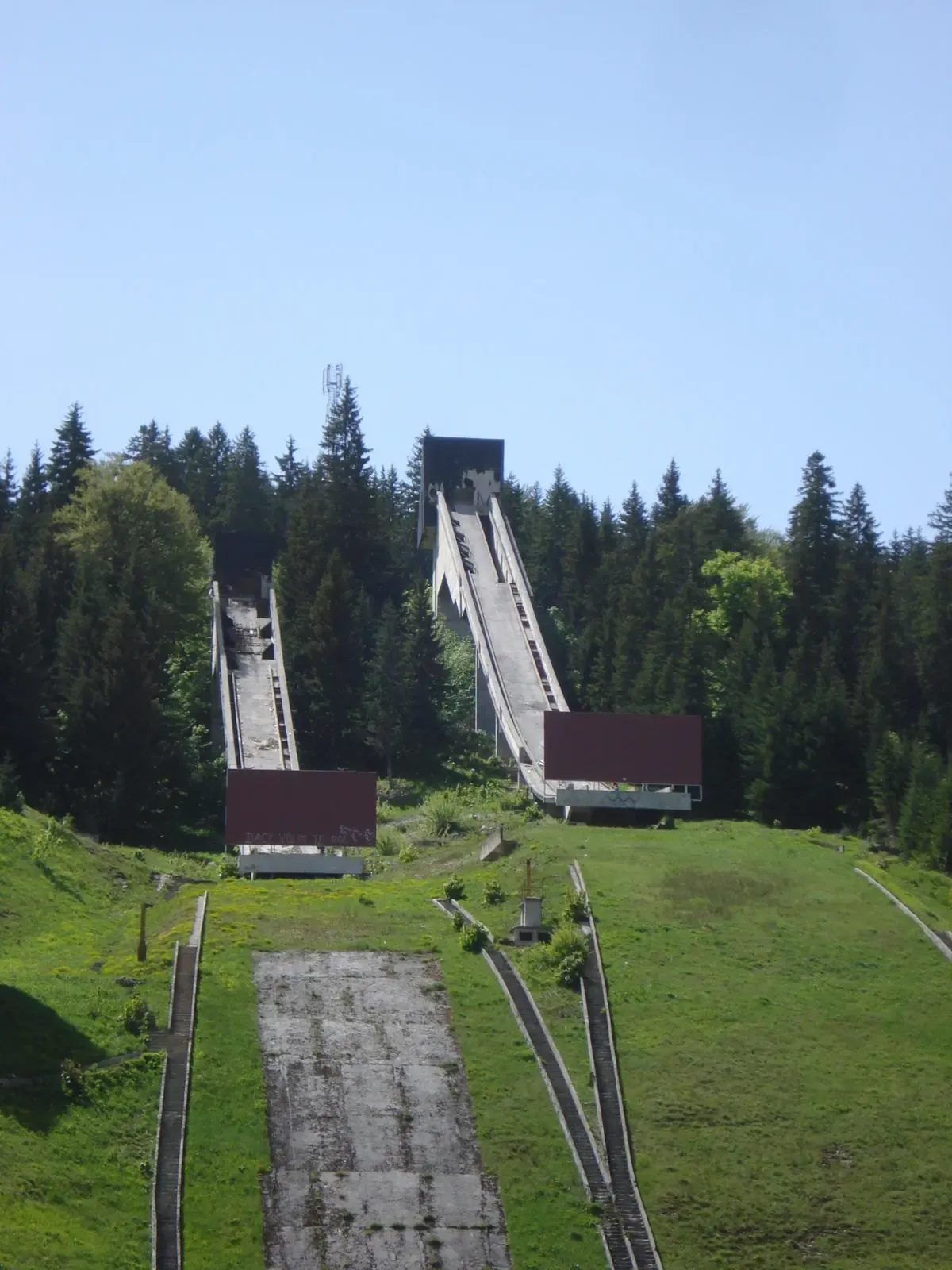
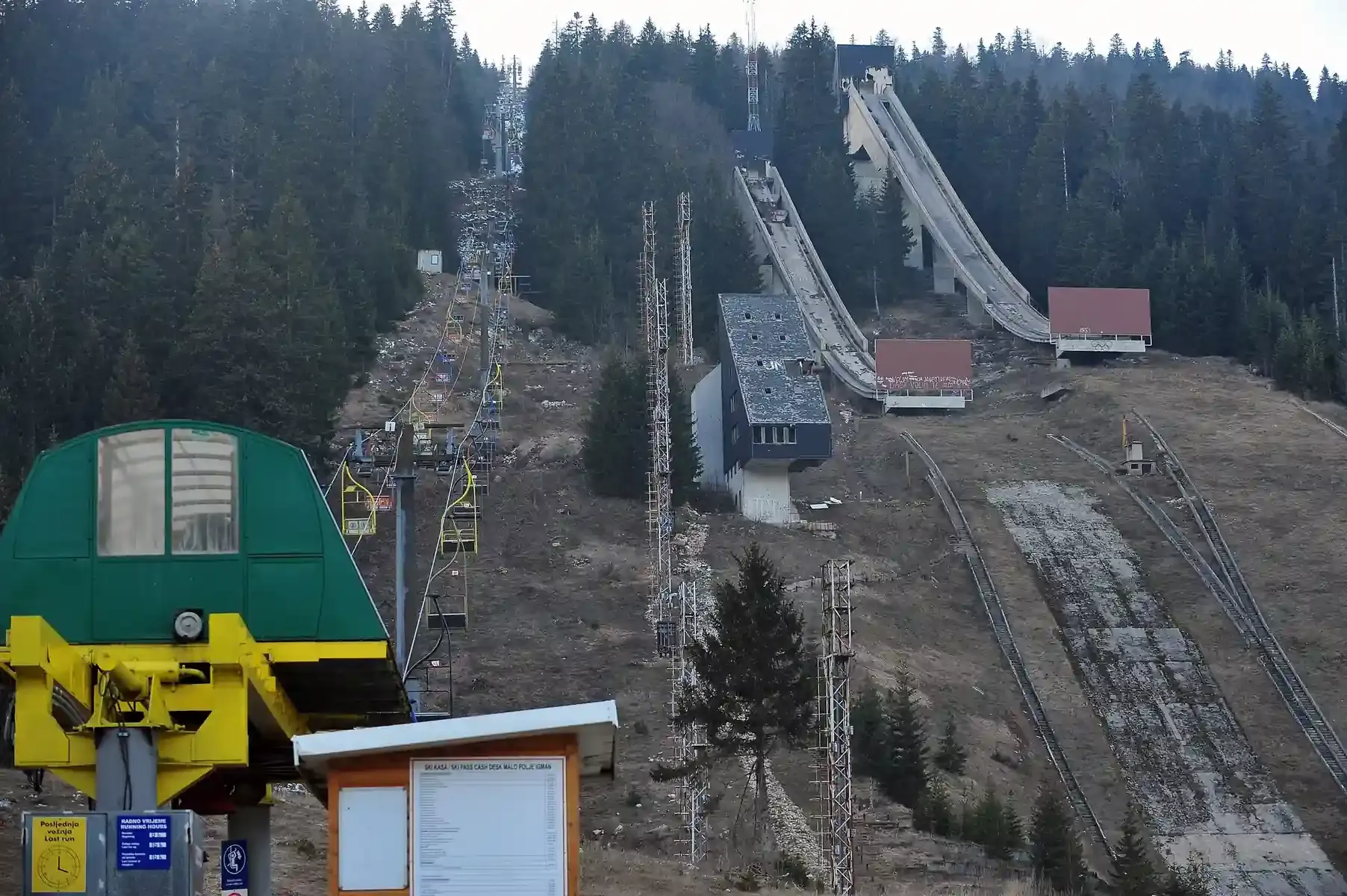
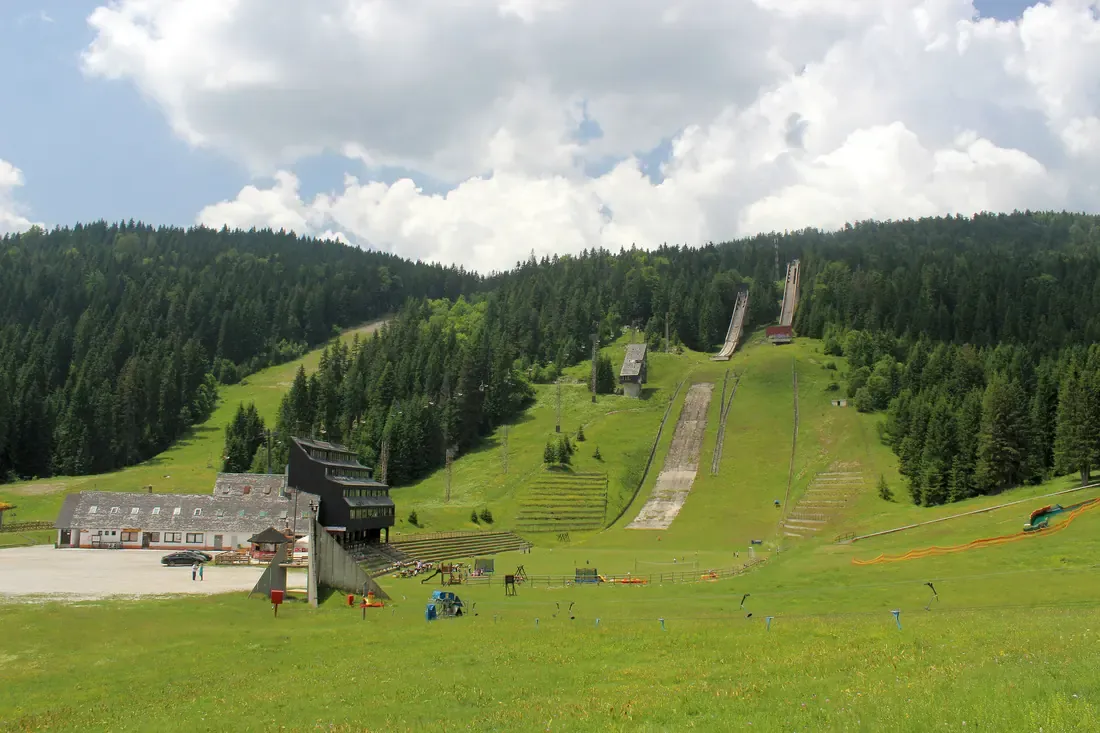
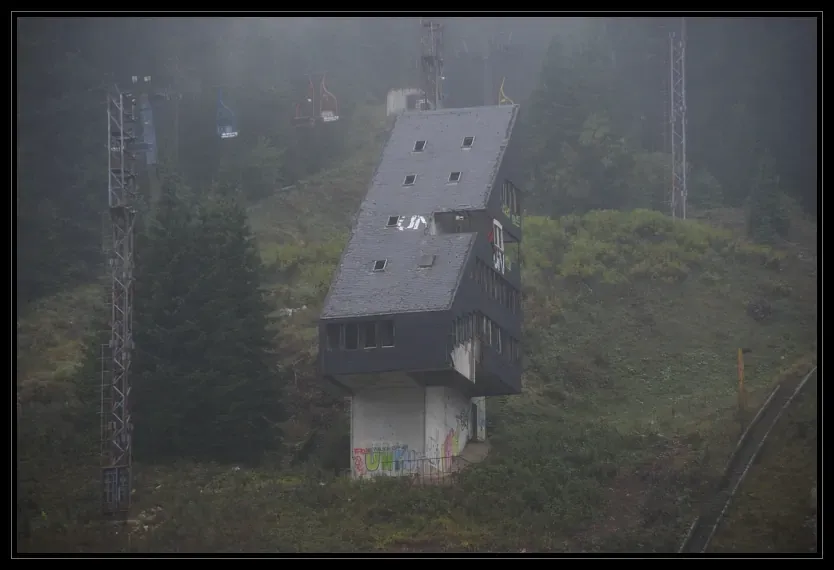
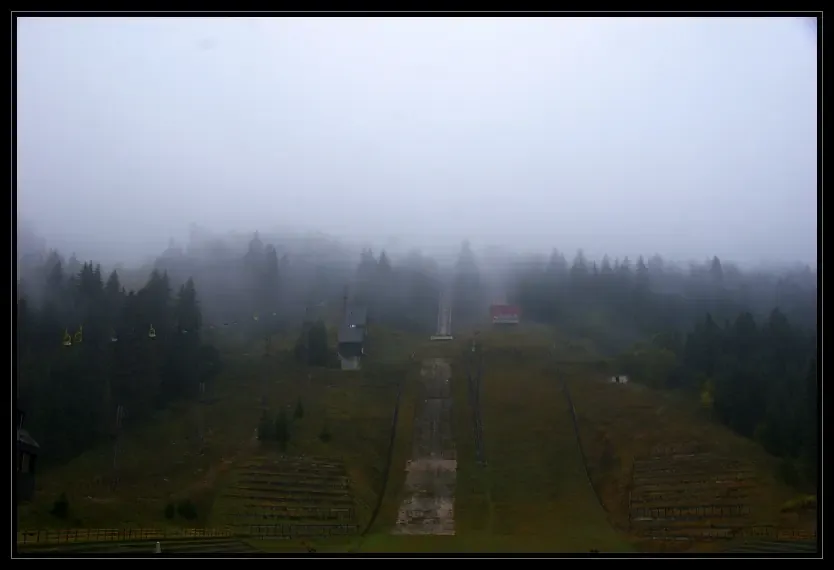
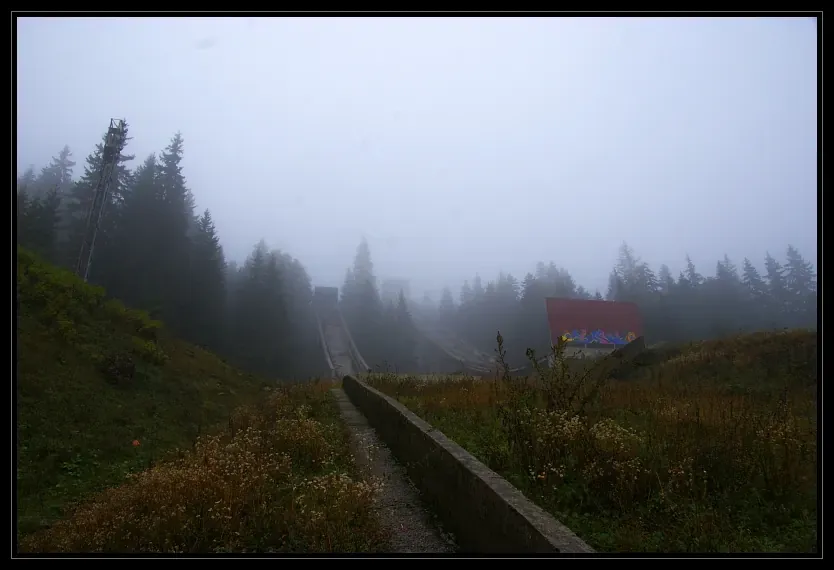
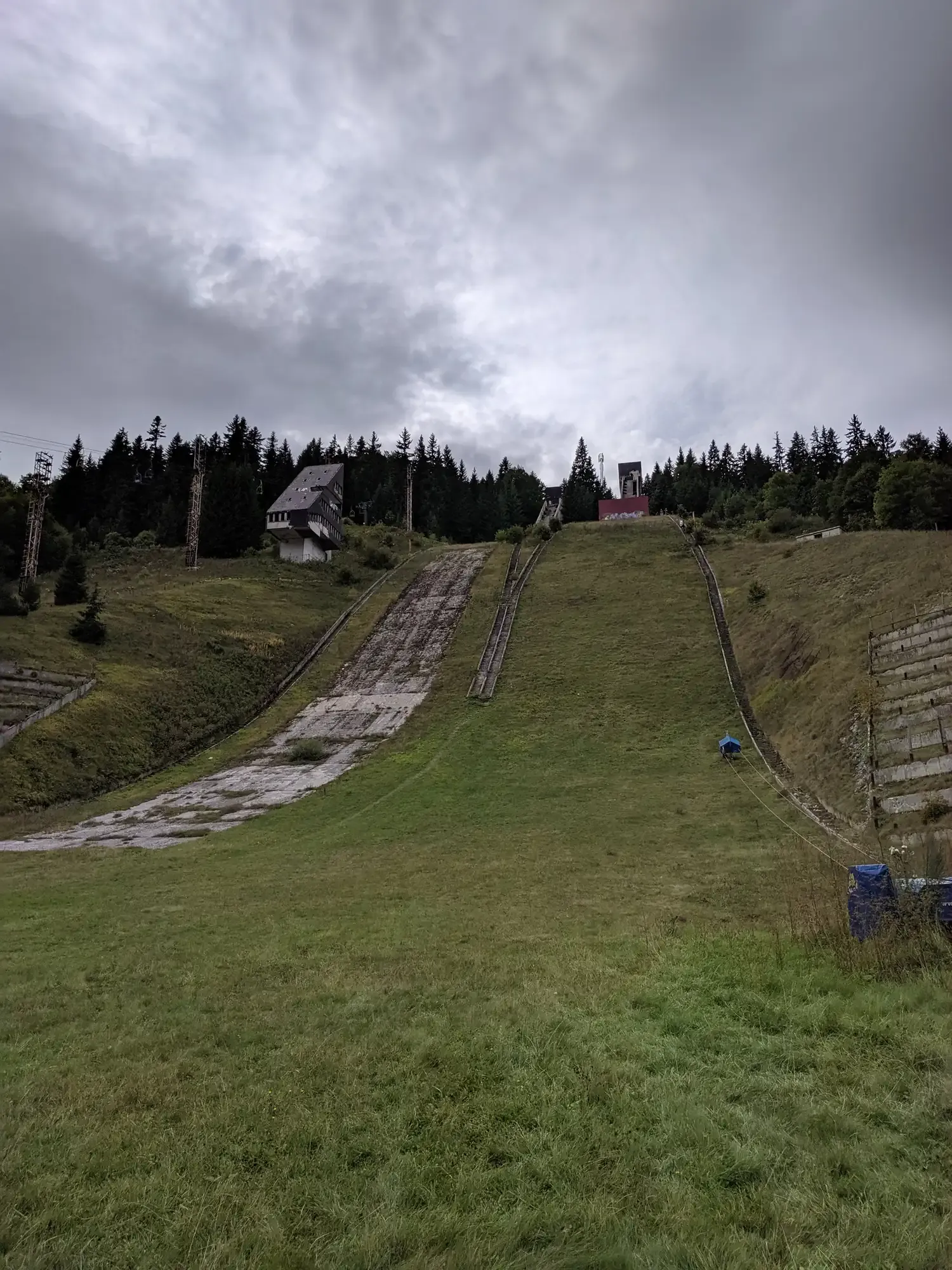
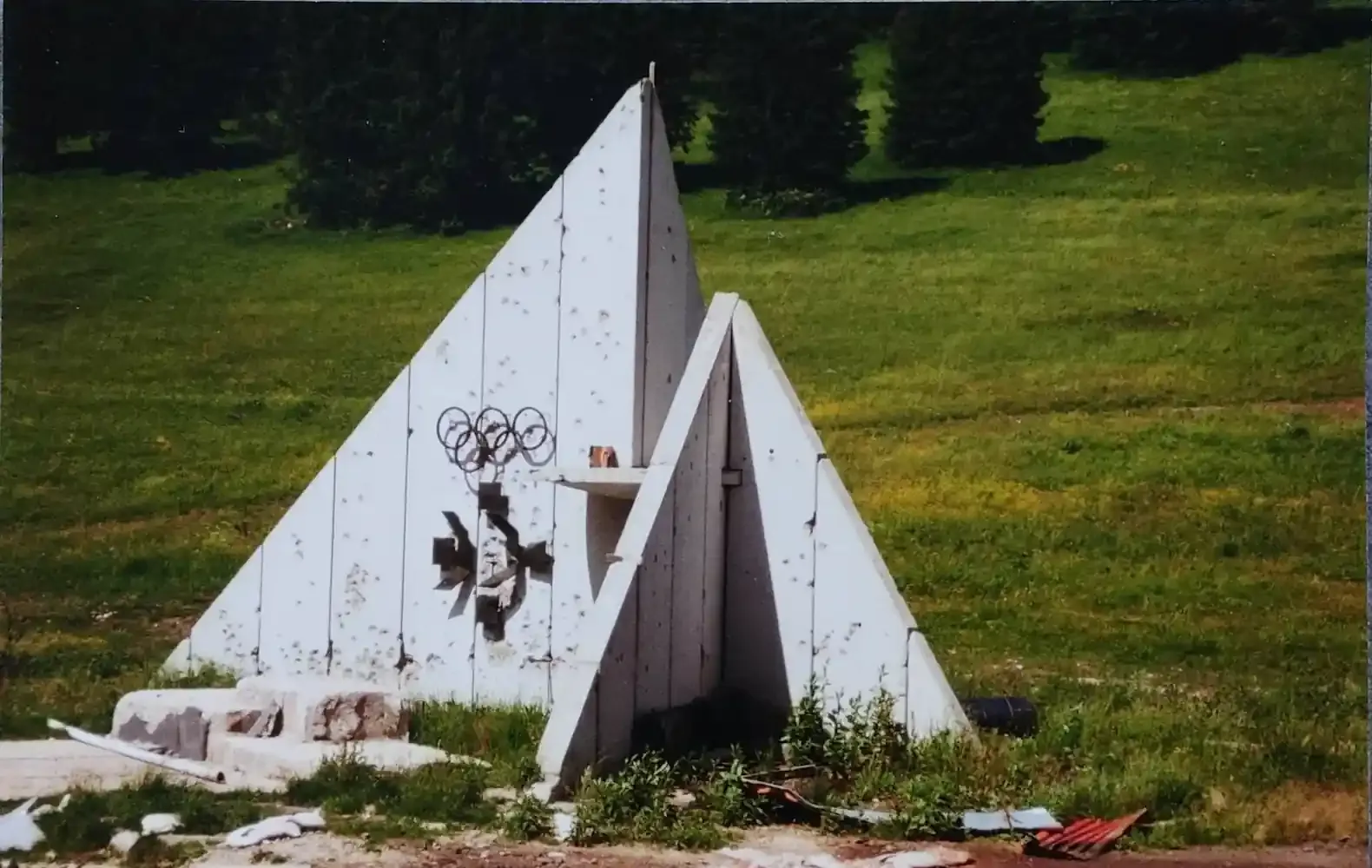
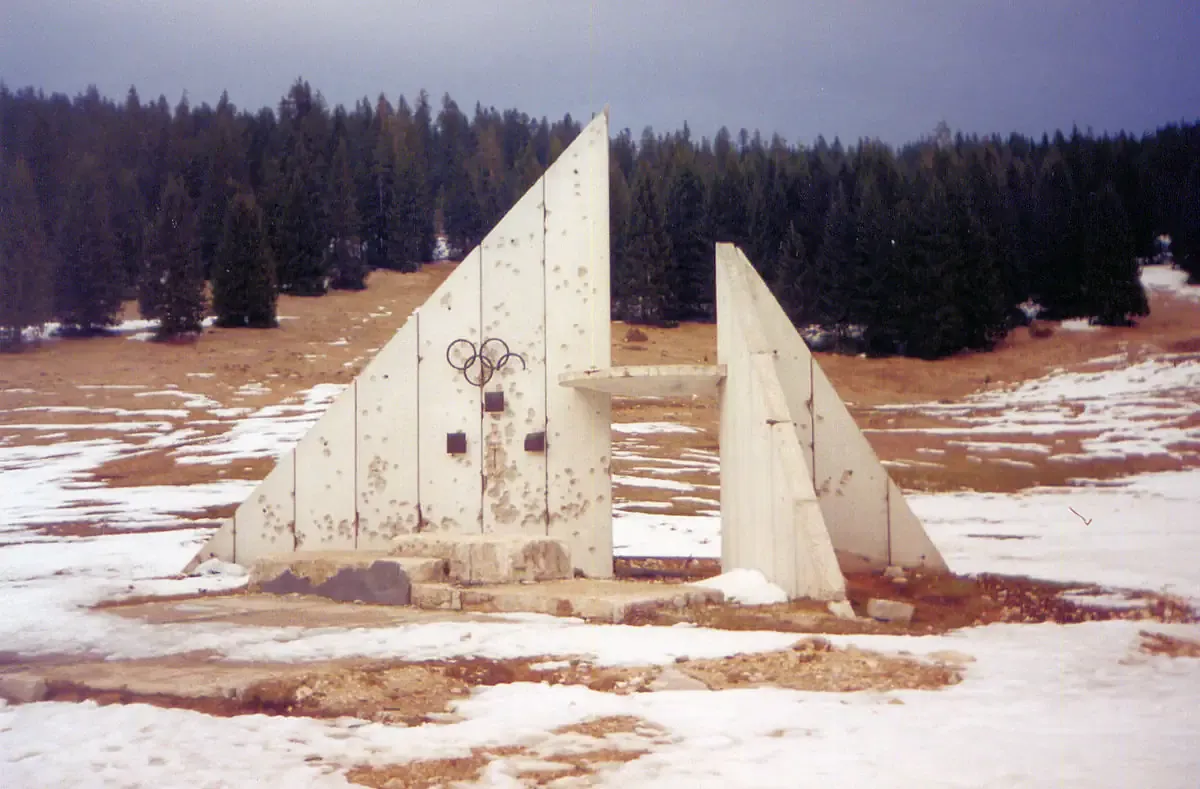
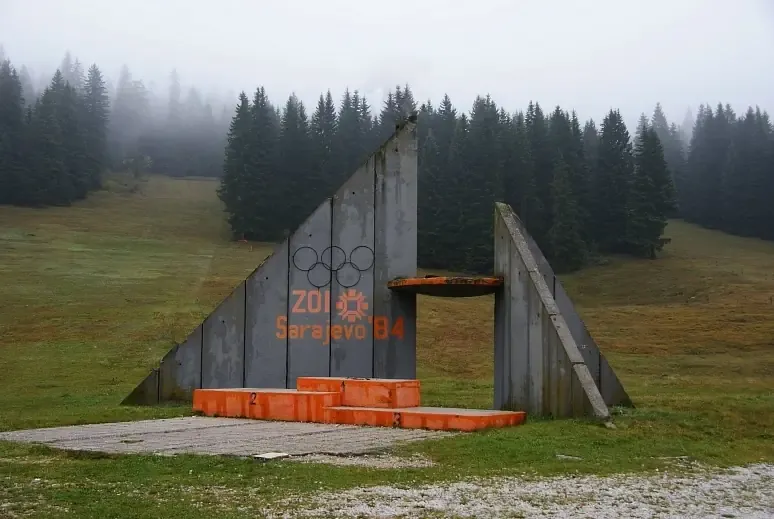
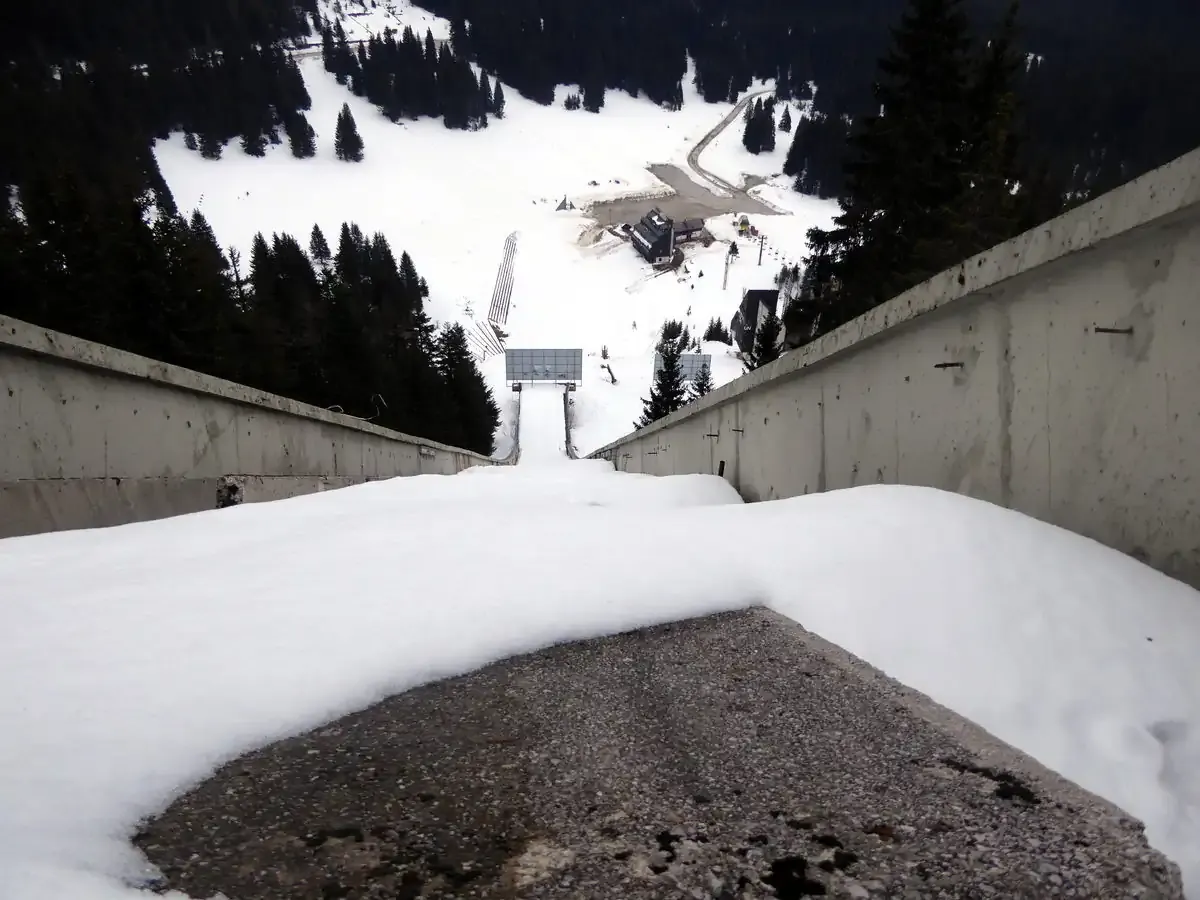
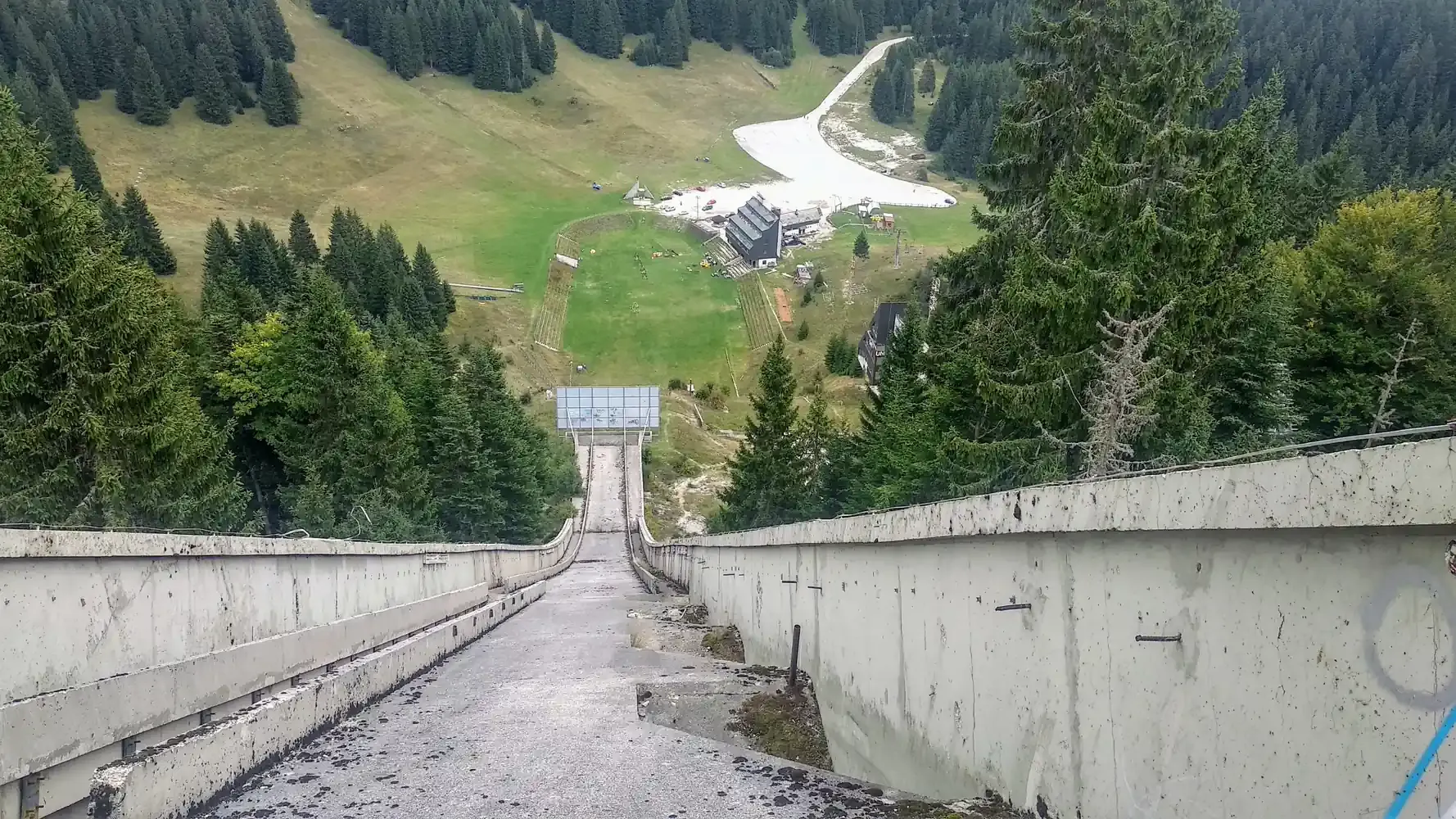
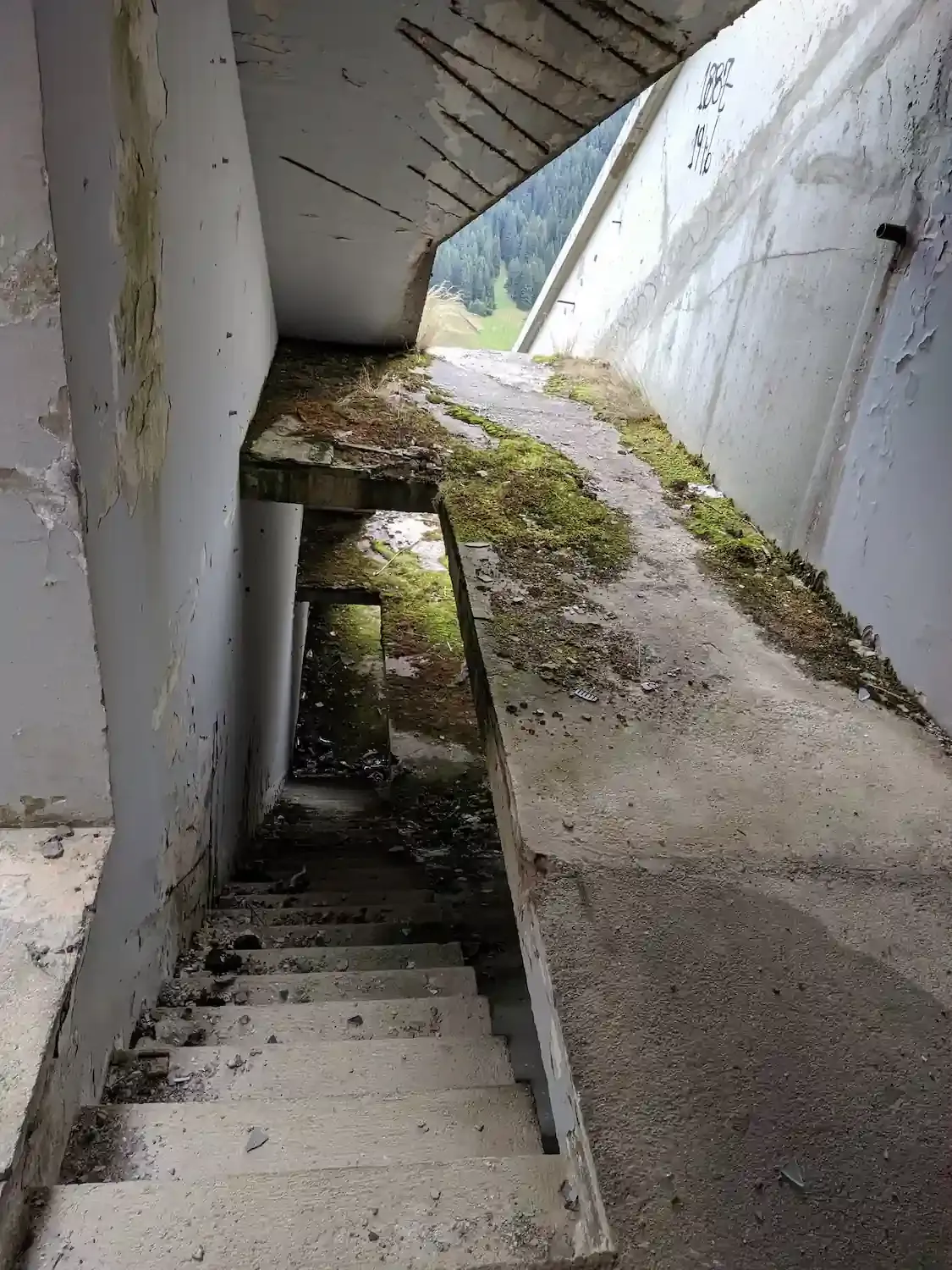
A post-war documentary view tracks the changing condition of Malo Polje from ruin toward recreational reuse.
A post-war documentary view tracks the changing condition of Malo Polje from ruin toward recreational reuse.
A post-war documentary view tracks the changing condition of Malo Polje from ruin toward recreational reuse.
A post-war documentary view tracks the changing condition of Malo Polje from ruin toward recreational reuse.
A post-war documentary view tracks the changing condition of Malo Polje from ruin toward recreational reuse.
A post-war documentary view tracks the changing condition of Malo Polje from ruin toward recreational reuse.
A post-war documentary view tracks the changing condition of Malo Polje from ruin toward recreational reuse.
A post-war documentary view tracks the changing condition of Malo Polje from ruin toward recreational reuse.
A post-war documentary view tracks the changing condition of Malo Polje from ruin toward recreational reuse.
A post-war documentary view tracks the changing condition of Malo Polje from ruin toward recreational reuse.
A post-war documentary view tracks the changing condition of Malo Polje from ruin toward recreational reuse.
A post-war documentary view tracks the changing condition of Malo Polje from ruin toward recreational reuse.
A post-war documentary view tracks the changing condition of Malo Polje from ruin toward recreational reuse.
A post-war documentary view tracks the changing condition of Malo Polje from ruin toward recreational reuse.
A post-war documentary view tracks the changing condition of Malo Polje from ruin toward recreational reuse.
A post-war documentary view tracks the changing condition of Malo Polje from ruin toward recreational reuse.
A post-war documentary view tracks the changing condition of Malo Polje from ruin toward recreational reuse.
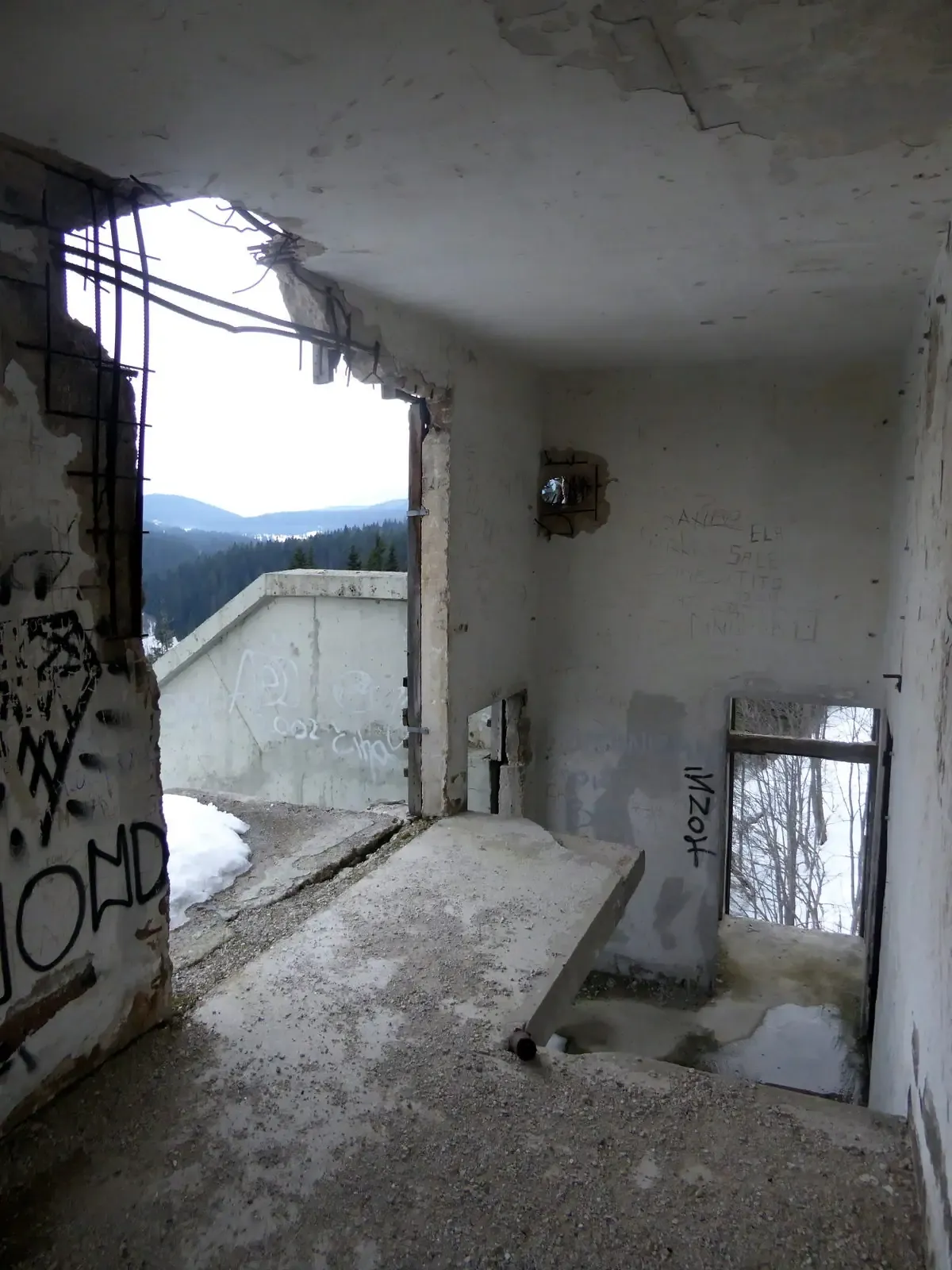
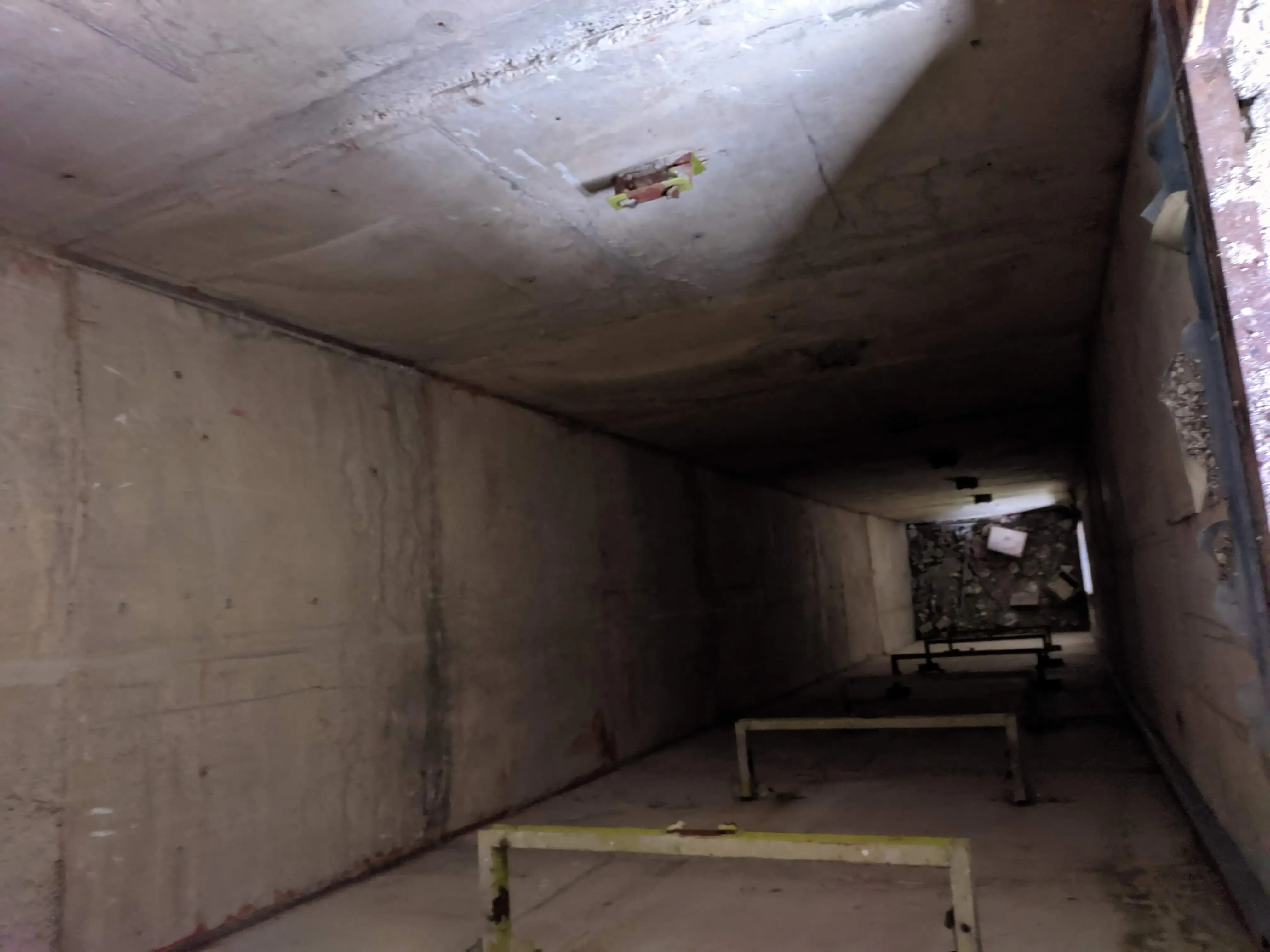
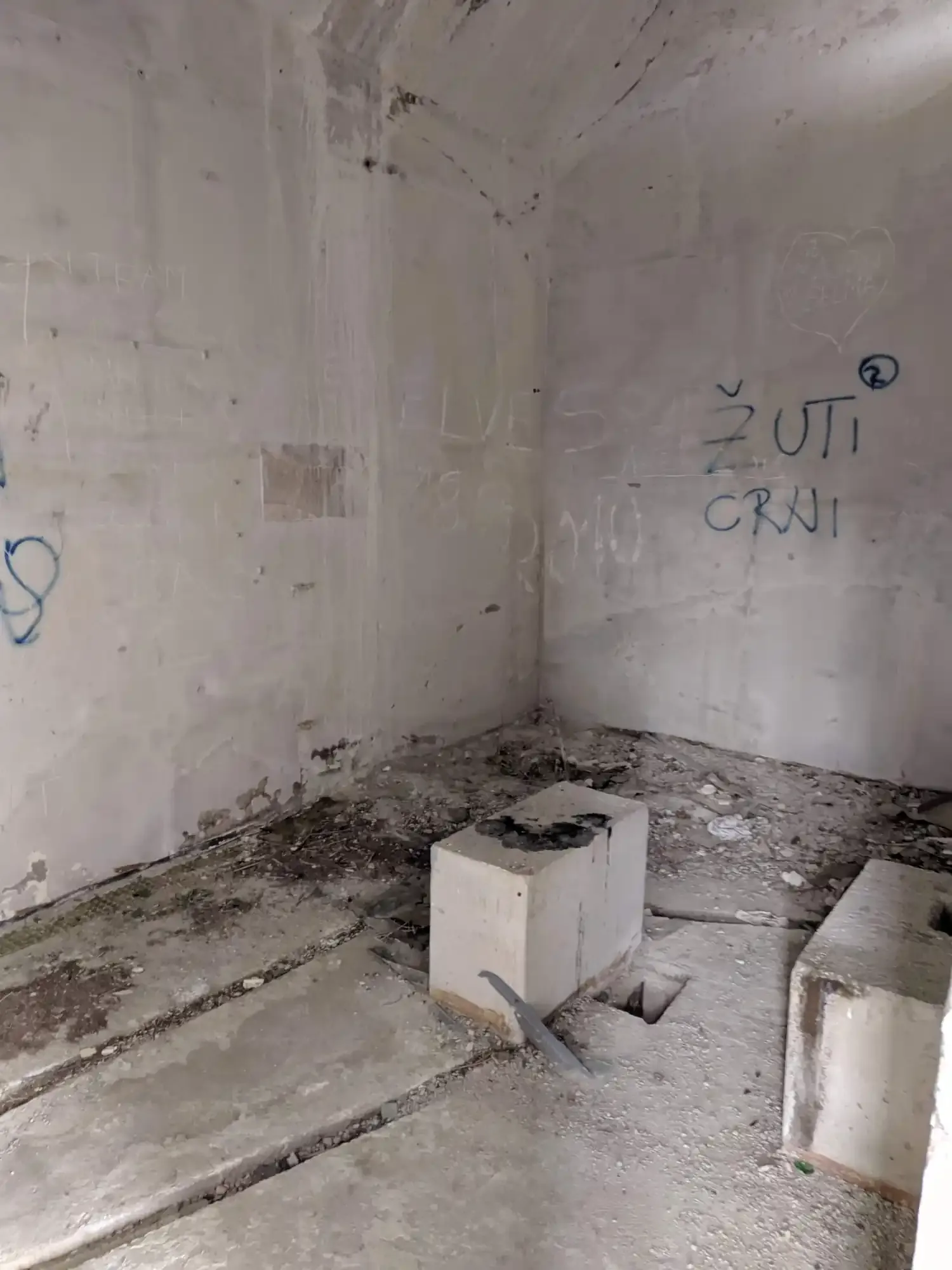
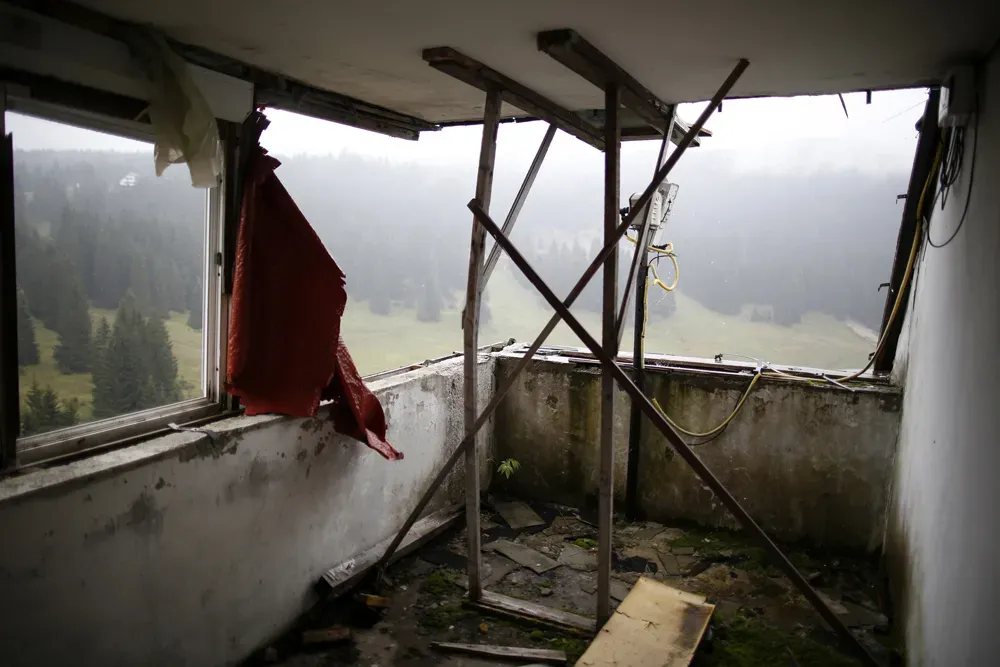
Interior ruin details reveal exposed concrete shells and deteriorated operational spaces.
Interior ruin details reveal exposed concrete shells and deteriorated operational spaces.
Interior ruin details reveal exposed concrete shells and deteriorated operational spaces.
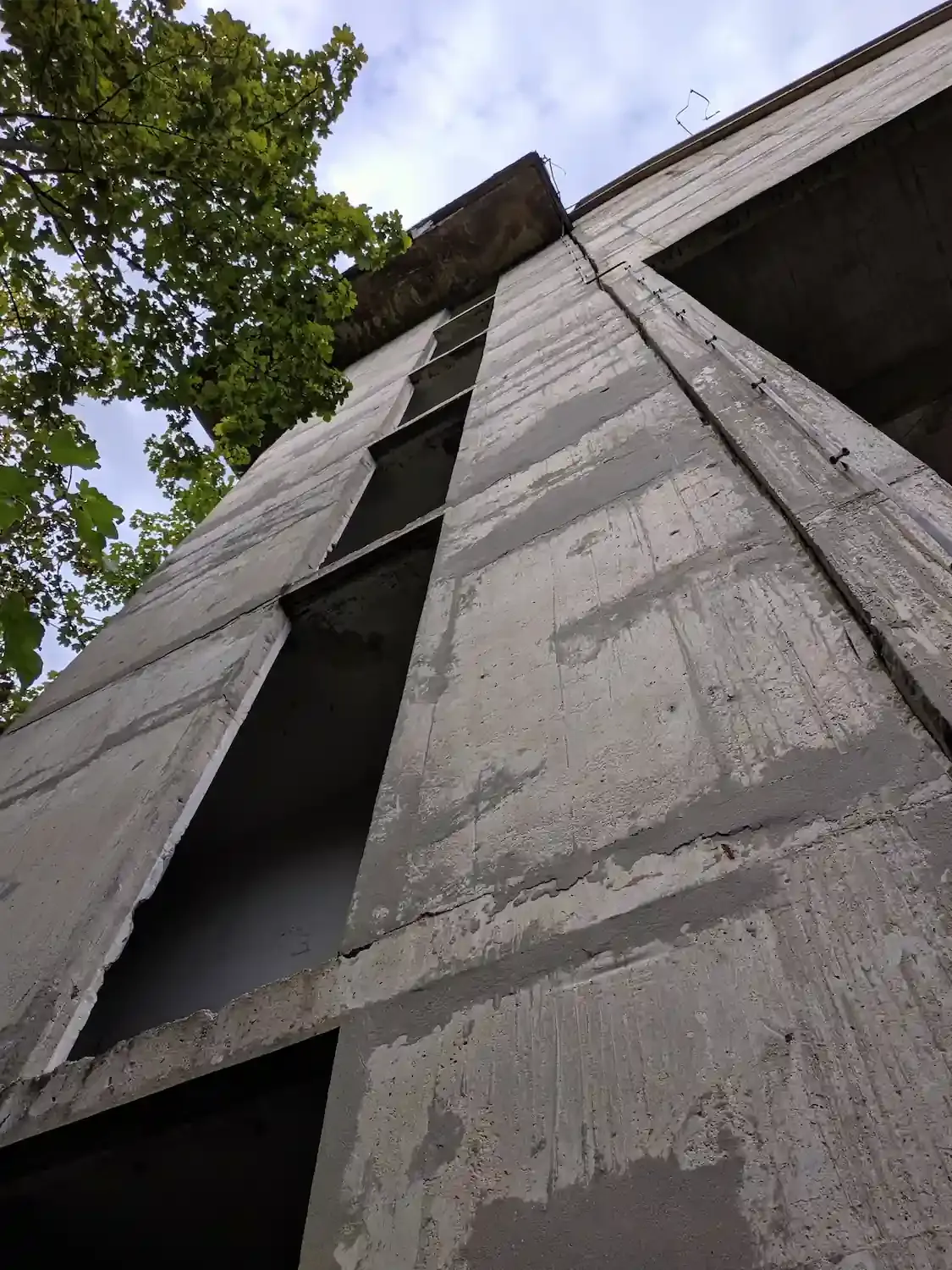
A 2015 view of the judges' tower shows the surviving structure within the damaged jump complex.
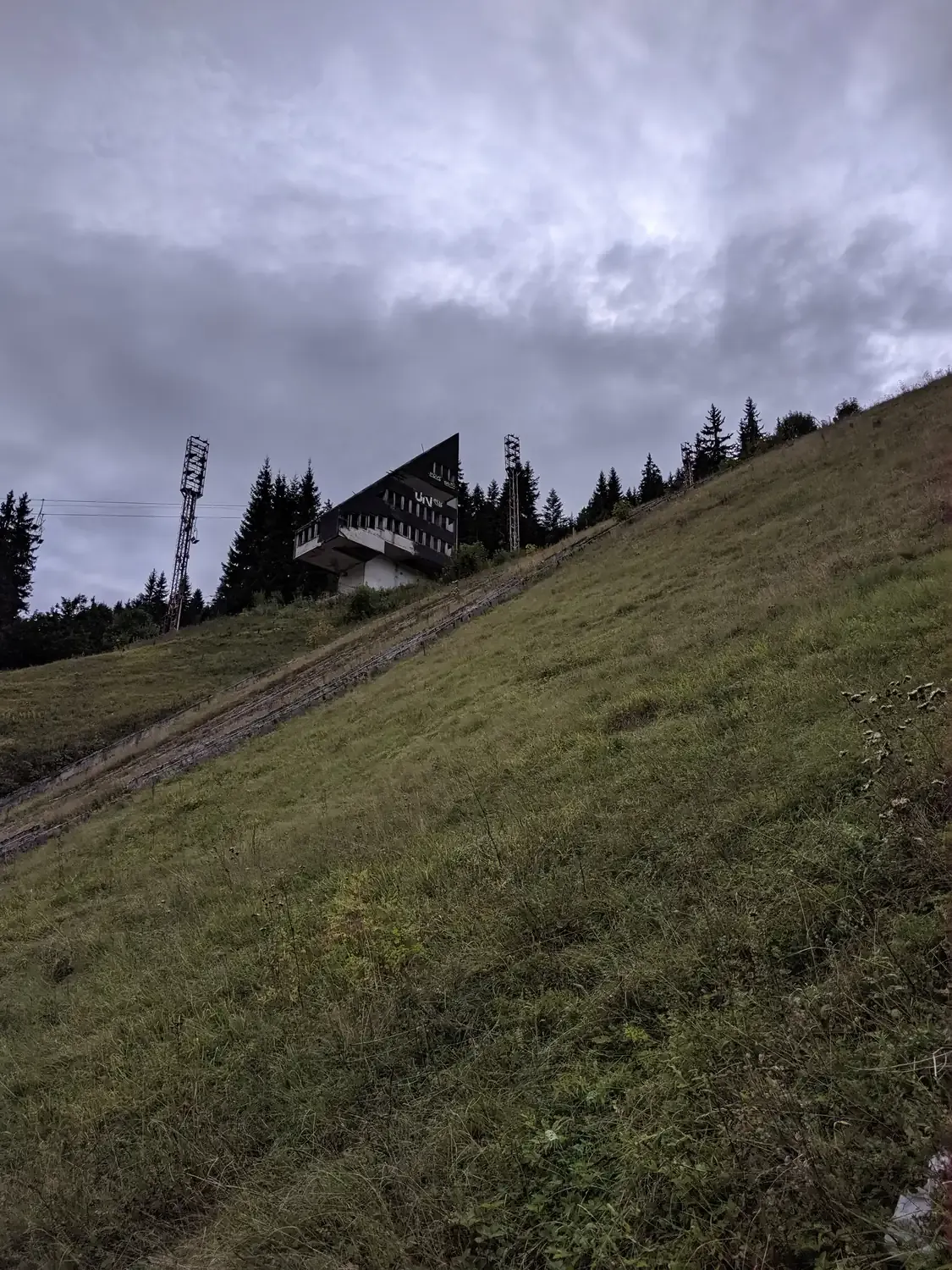
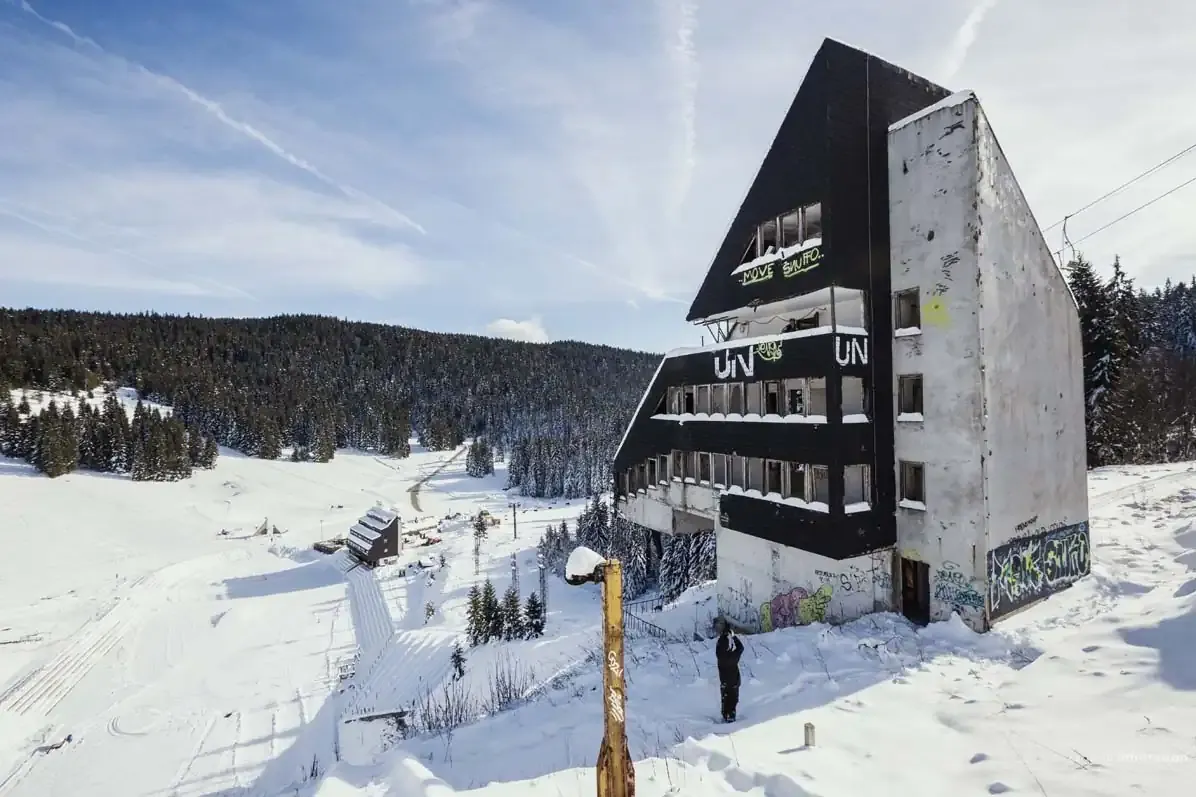
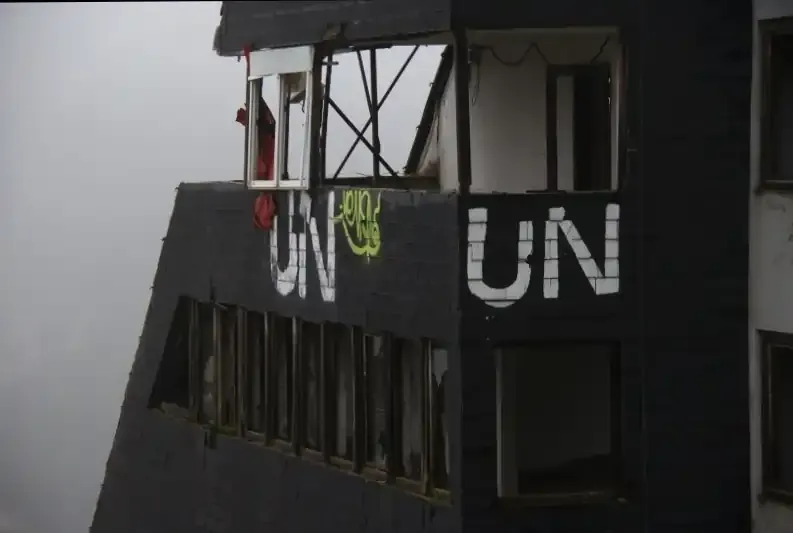
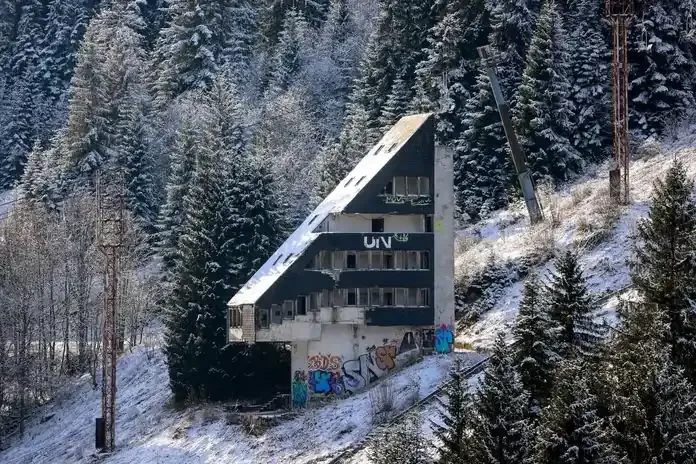
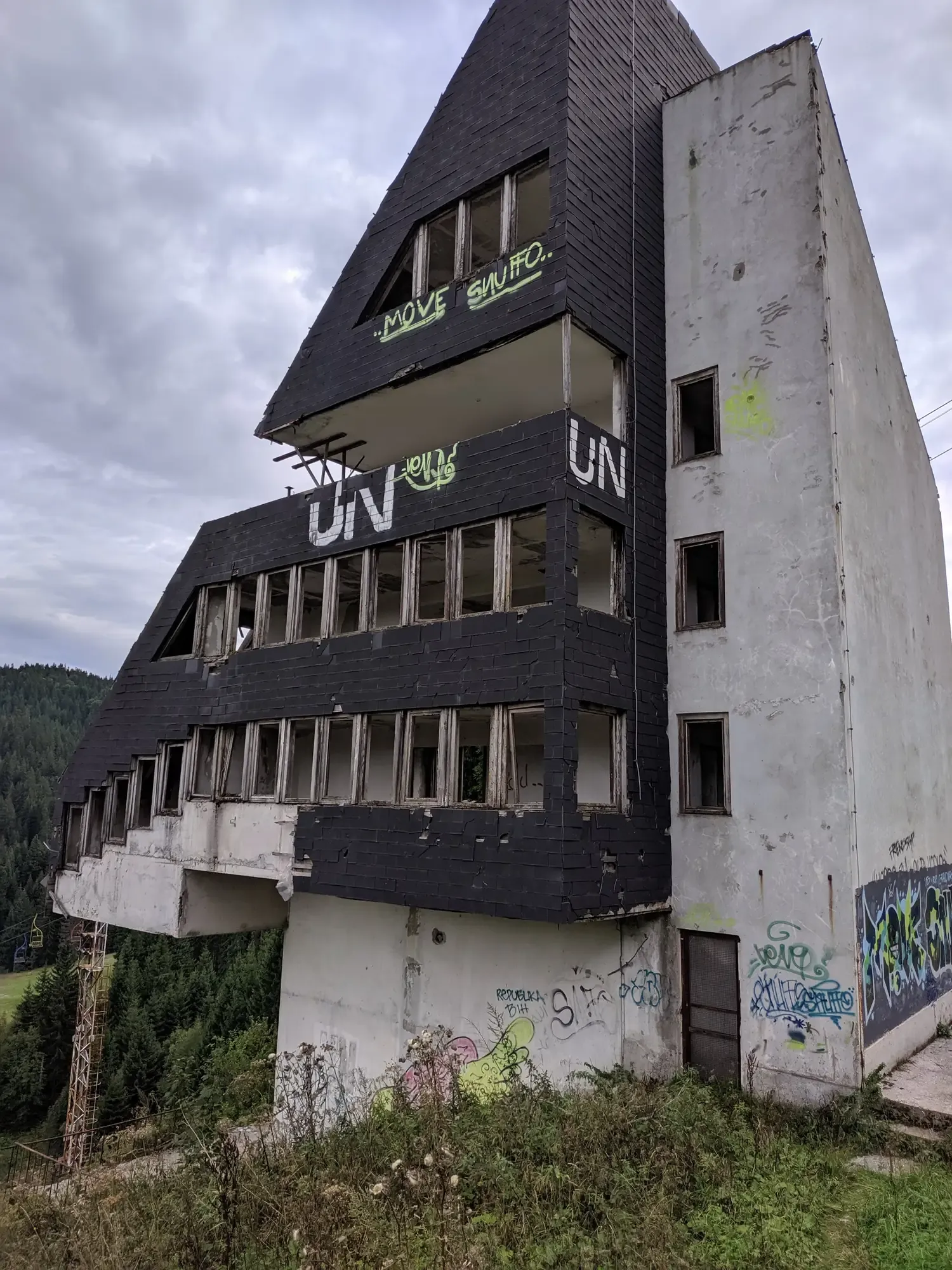
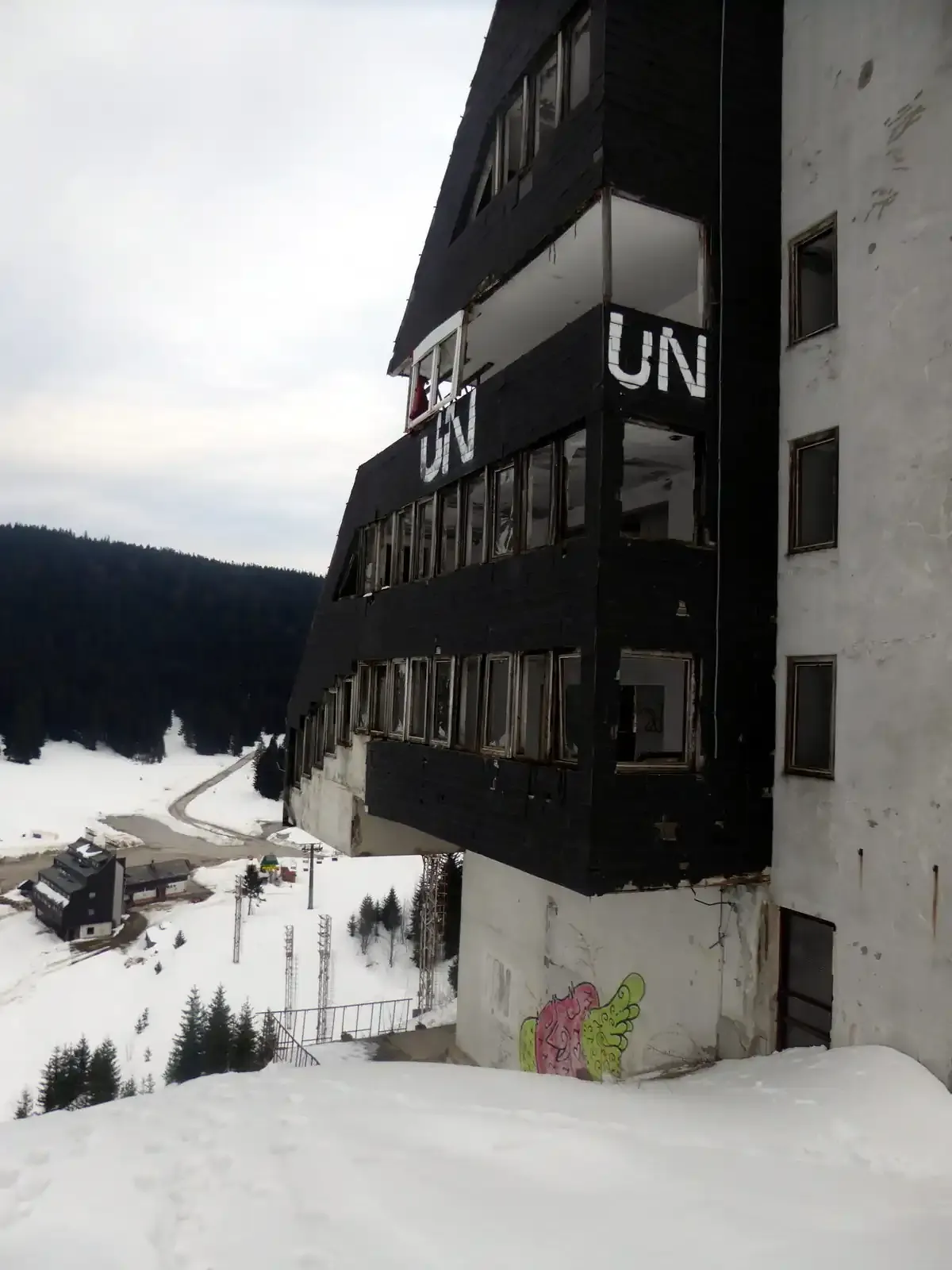
The judges' tower with prominent UN markings reflects the venue's wartime and post-war repurposing.
The judges' tower with prominent UN markings reflects the venue's wartime and post-war repurposing.
The judges' tower with prominent UN markings reflects the venue's wartime and post-war repurposing.
The judges' tower with prominent UN markings reflects the venue's wartime and post-war repurposing.
The judges' tower with prominent UN markings reflects the venue's wartime and post-war repurposing.
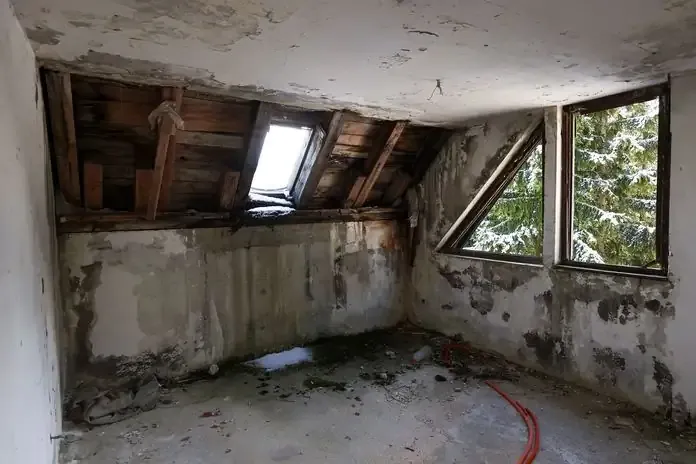
The former judges' room interior appears stripped and weathered after decades of neglect.
The 2019 jump-tower remains show the still-legible geometry of the original Olympic engineering.
Post-war podium use and commemorative gatherings show continued civic memory at the site.
Post-war podium use and commemorative gatherings show continued civic memory at the site.
Post-war podium use and commemorative gatherings show continued civic memory at the site.
Recent ramp views illustrate structural survival alongside long-term decay and overgrowth.
Recent ramp views illustrate structural survival alongside long-term decay and overgrowth.
Recent ramp views illustrate structural survival alongside long-term decay and overgrowth.
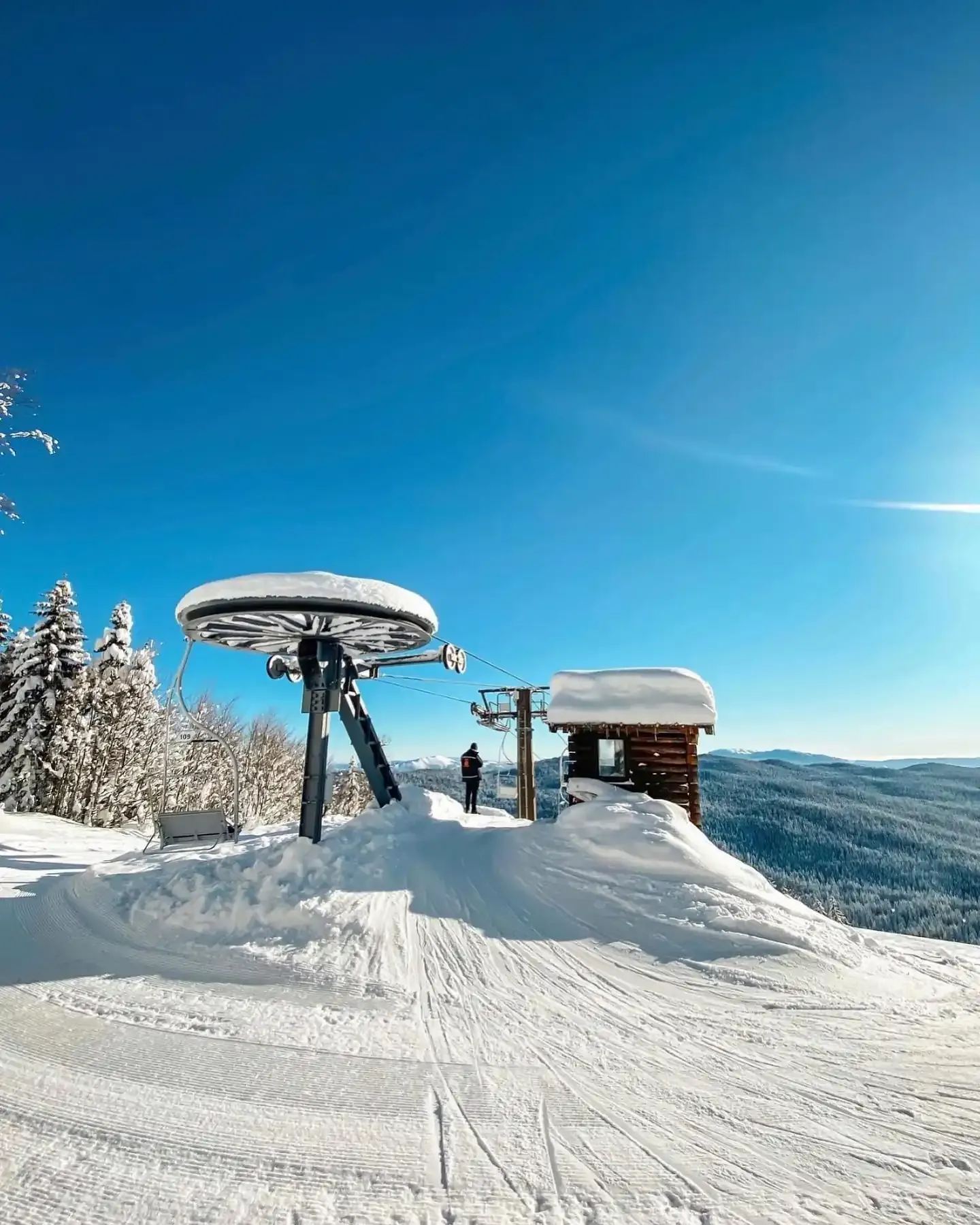
The upper lift station in 2020 records residual mountain infrastructure still visible near the jumps.
Following the 1984 Games, Malo Polje remained an active training ground, with the 70-metre hill’s plastic matting allowing athletes to jump year-round. However, with virtually no local following for the sport or an established association to support it, no further World Cups or other international events were organised at the Olympic venue.
Without major competitions to sustain it, Malo Polje slowly deteriorated. Eventually, the outbreak of the Bosnian War (1992–1995) transformed the Olympic venue into a frontline battleground.
The facilities suffered heavy damage during the conflict. By the war's end in 1995, the once-pristine ski jumps were left in ruins. The judges' tower, which had hosted international officials and the electronic timing centre in 1984, was repurposed during the later stages of the war; UNPROFOR peacekeepers used the structure as a base, leaving a layer of history that is still visible today.
Status Today
Decades later, the concrete skeletons of the 70-metre and 90-metre ramps still stand on the mountainside, though they are no longer usable for competition. The judges' tower remains a striking landmark, bearing the faded "UN" letters painted on its facade, a lasting visual reminder of the site's wartime role.
Despite the loss of the professional jumps, Malo Polje has found a second life as a popular recreational destination. The natural amphitheatre now serves as a spot for family picnics and casual winter sports. A two-seat chairlift and children’s ski lifts are currently functional, servicing slopes used for recreational downhill skiing and sledding. The ski run currently relies on natural snowfall, with no clear indication of modern snowmaking infrastructure.
Over the years, several ambitious proposals to rehabilitate the site have emerged. In 2010, a €7–10 million plan by Hofrichter-Ritter studio envisioned revitalising the hills to K90 and K120 standards, complete with stands for up to 50,000 spectators and a panorama restaurant atop the inrun tower.
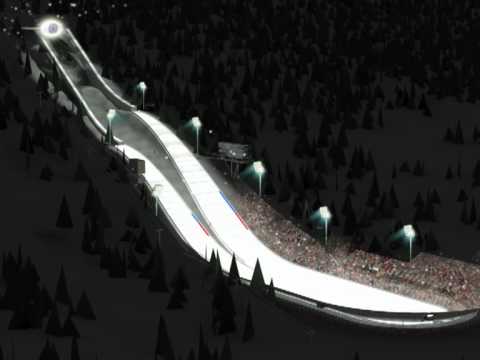
Hopes for the venue's renewal were reignited when Sarajevo was selected in 2012 to host the 2017 European Youth Olympic Winter Festival (EYOF). ZOI'84 announced plans to rebuild the three small wooden training jumps destroyed during the war, alongside renovating or entirely replacing the larger K90 and K120 jumps.
Despite these high-profile plans and subsequent discussions—including a 2016 initiative supported by original architect Janez Gorišek to build a small training hill for youth, no major reconstruction of the Olympic jumps has yet materialised.
How to Visit
Malo Polje is located on Mount Igman, approximately 15 km southwest of Sarajevo. It functions today as a recreational ski centre.
- Coordinates: 43°46'05.5"N, 18°14'47.0"E
- Activities: Sightseeing (Olympic ruins), recreational skiing, and sledding (winter).