
Veliko Polje
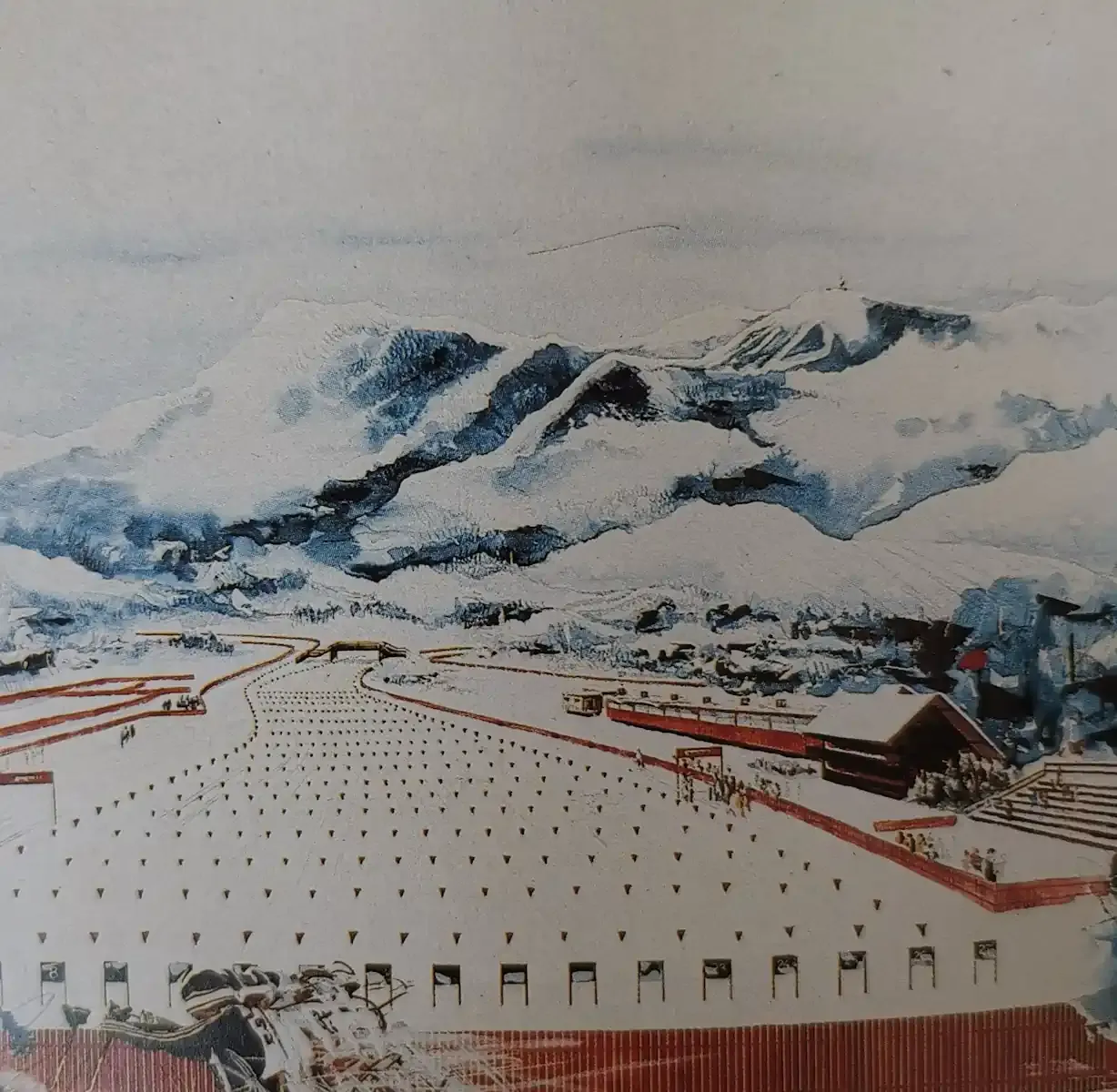
Set on a high-altitude plateau amidst thick coniferous forests, Veliko Polje served as the endurance heart of the 1984 Winter Olympics. As the primary venue for cross-country skiing and biathlon, its trails were designed to challenge the world’s best athletes while preserving the striking natural beauty of Mount Igman.
Fast Facts
- Location: Mount Igman, approximately 12 km (7.5 miles) southwest of Sarajevo, located in the vicinity of the Olympic ski jumping hills.
- Olympic Role: Primary venue for Cross-Country Skiing and Biathlon; cross-country segment of Nordic Combined.
- Events Hosted: Men’s and Women’s Cross-Country (individual and relays), Biathlon (20 km, 10 km, and relay).
- Key Dates: February 9–18, 1984.
- Altitude: 1,100–1,200 m (3,609–3,937 ft) above sea level.
- Capacity: 25,000 spectators.
- Status Today: Recreational sports area for skiing and hiking; some original infrastructure remains in various states of repair.
The ‘Freezing Point’ of Mount Igman
Veliko Polje, translated as "Great Field," is a sprawling alpine meadow situated on the Igman plateau. The venue is famous among meteorologists for a phenomenon known as Mrazište (The Freezing Point). Due to the specific topography of the Igman depression, a temperature inversion occurs where cold air sinks and remains trapped, leading to the lowest recorded temperature in Yugoslavia: -43.5°C (-46.3°F).
During the 1984 Games, this microclimate ensured a reliable snow cover that typically lasted 160 days a year. Even on sunny days, observers noted "pearl-like dew" on the grass at midday, a testament to the consistently low ground temperatures. The trails were carved primarily through dense forests, which provided essential protection from high winds and maintained a high, even quality of snow for competition.
Olympic Endurance: February 1984
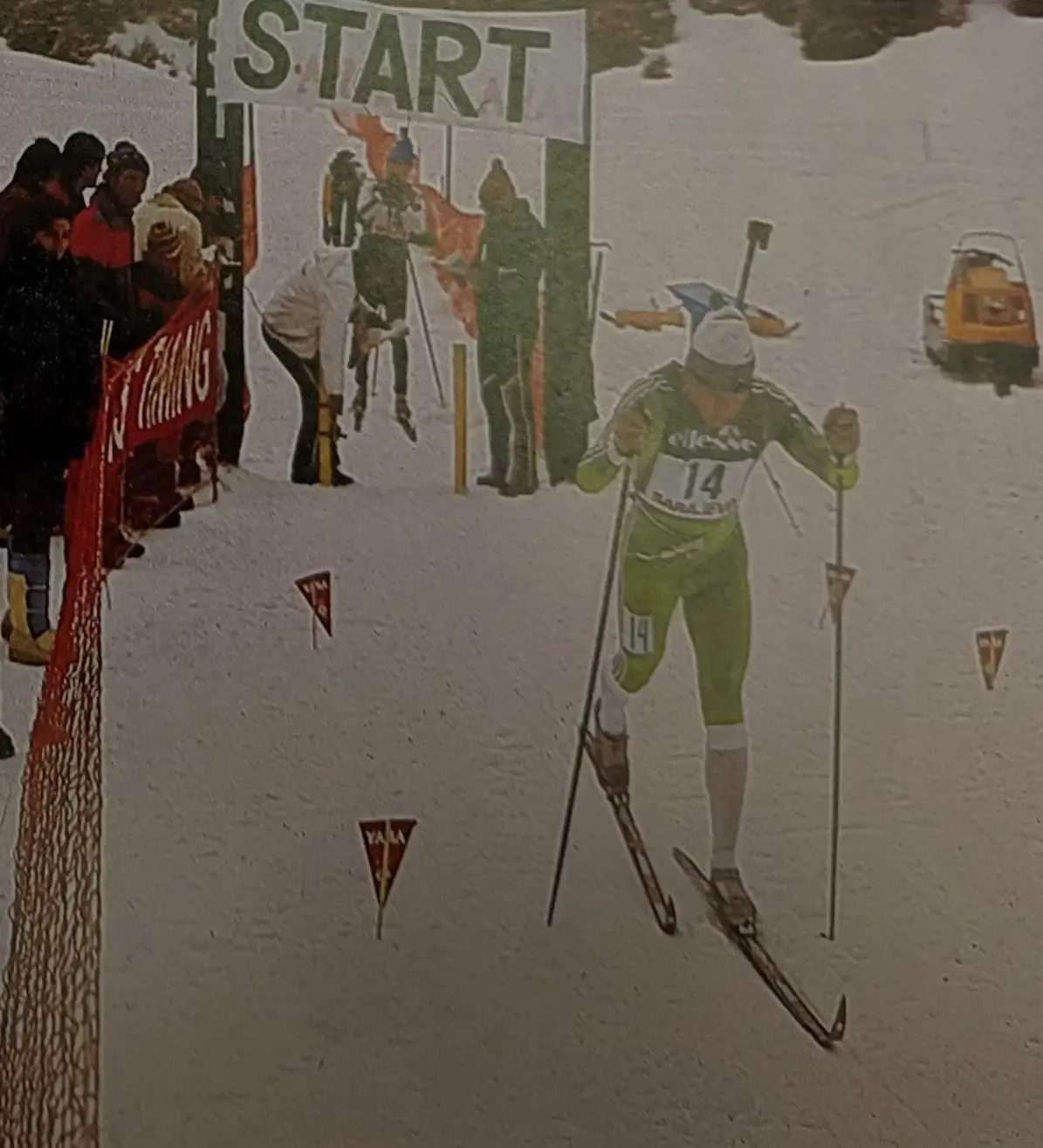
Veliko Polje was a hub of constant activity throughout the Games, hosting a grueling schedule of endurance events. The venue saw the triumph of Swedish skiing legends Gunde Svan and Thomas Wassberg. A highlight of the cross-country program was the Men's 15 km race on February 13, which was attended by Swedish King Carl XVI Gustaf and Queen Silvia, who were photographed carefully watching the finish.
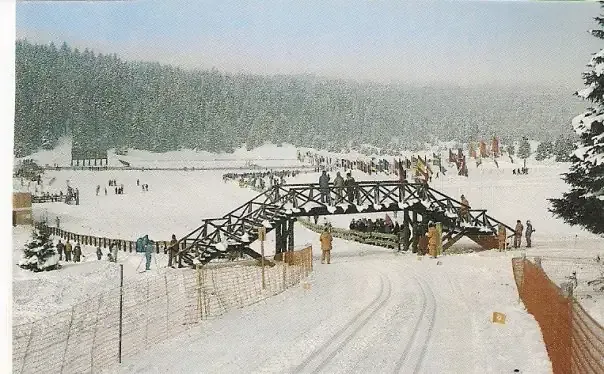
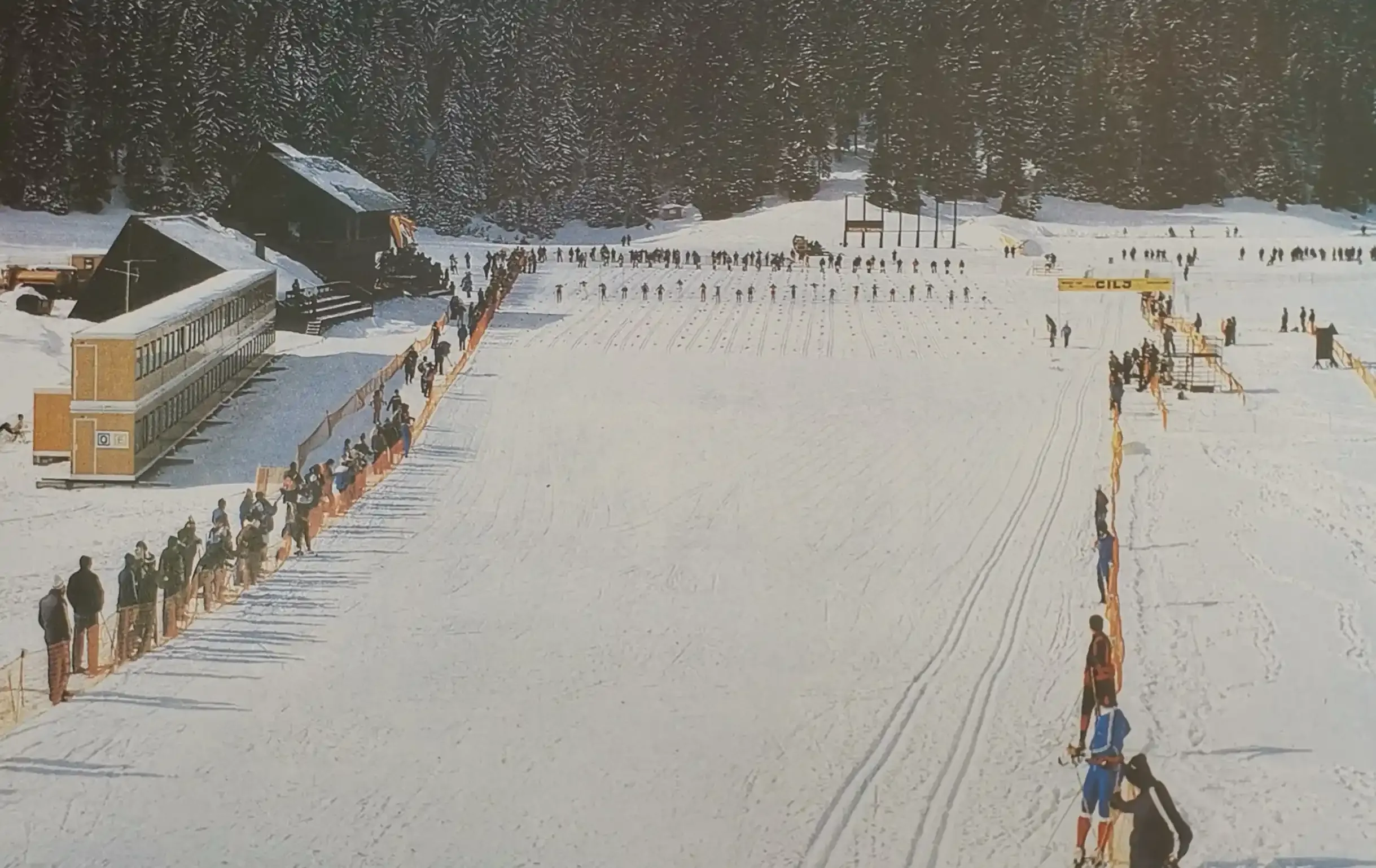
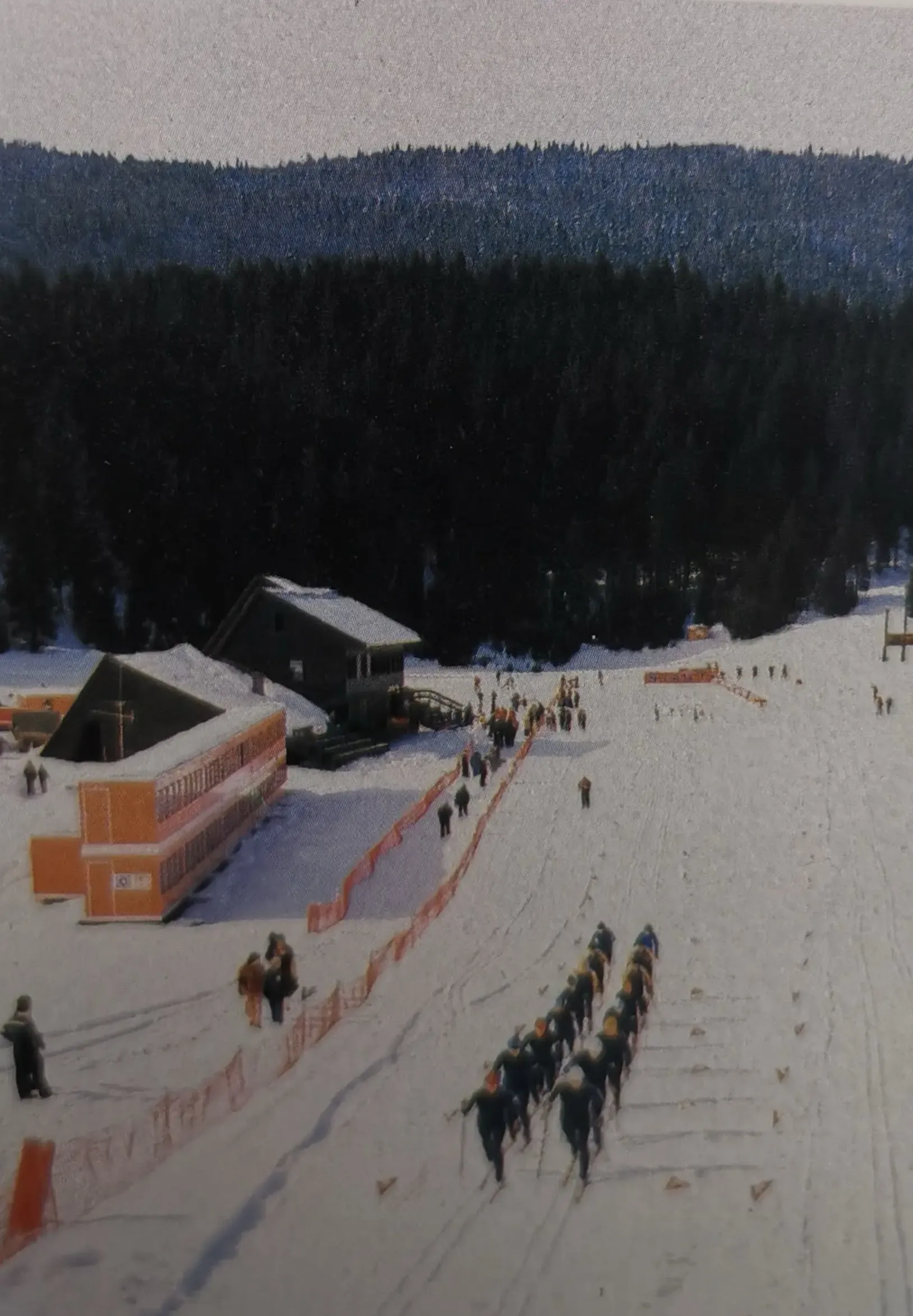
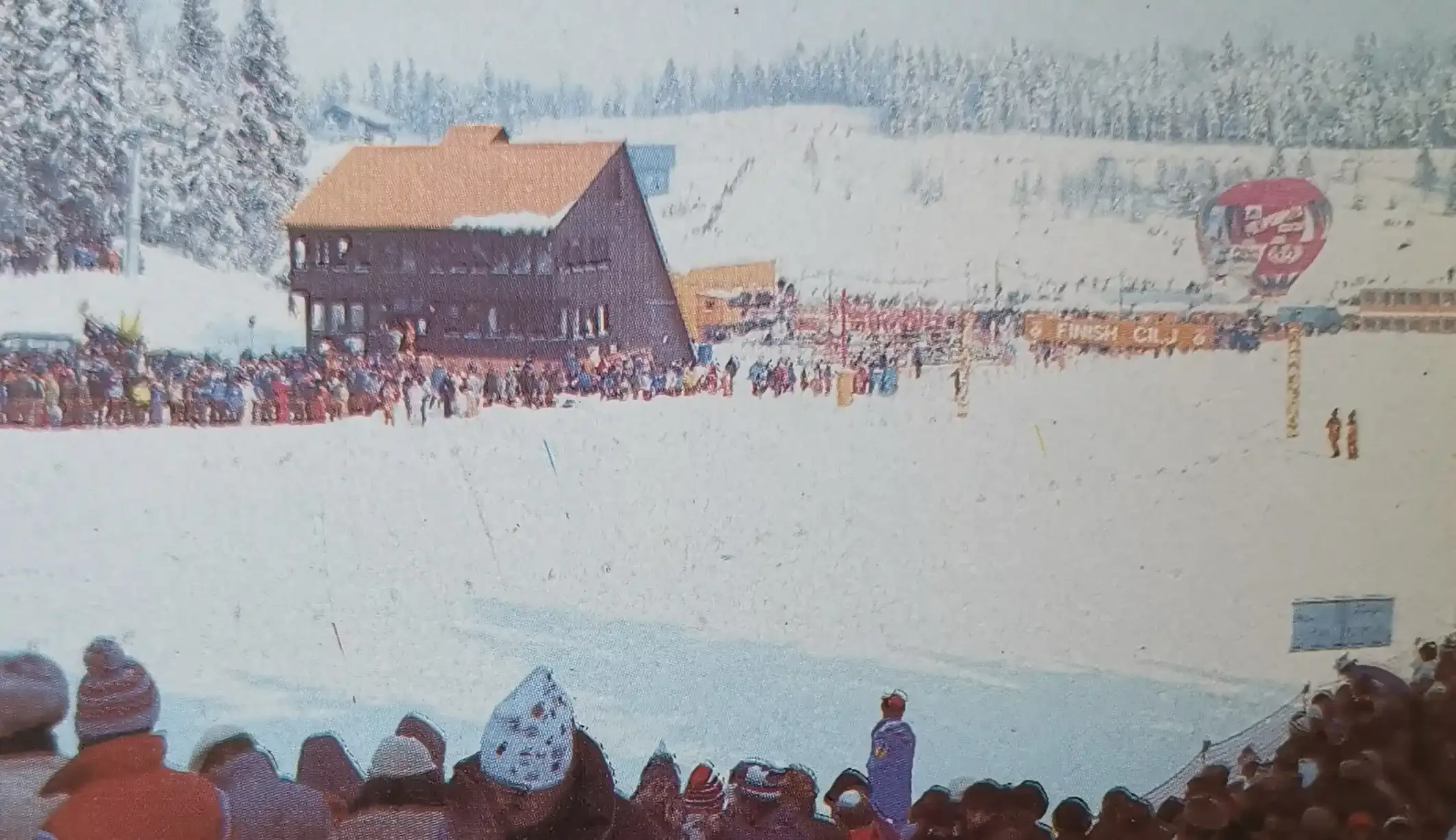
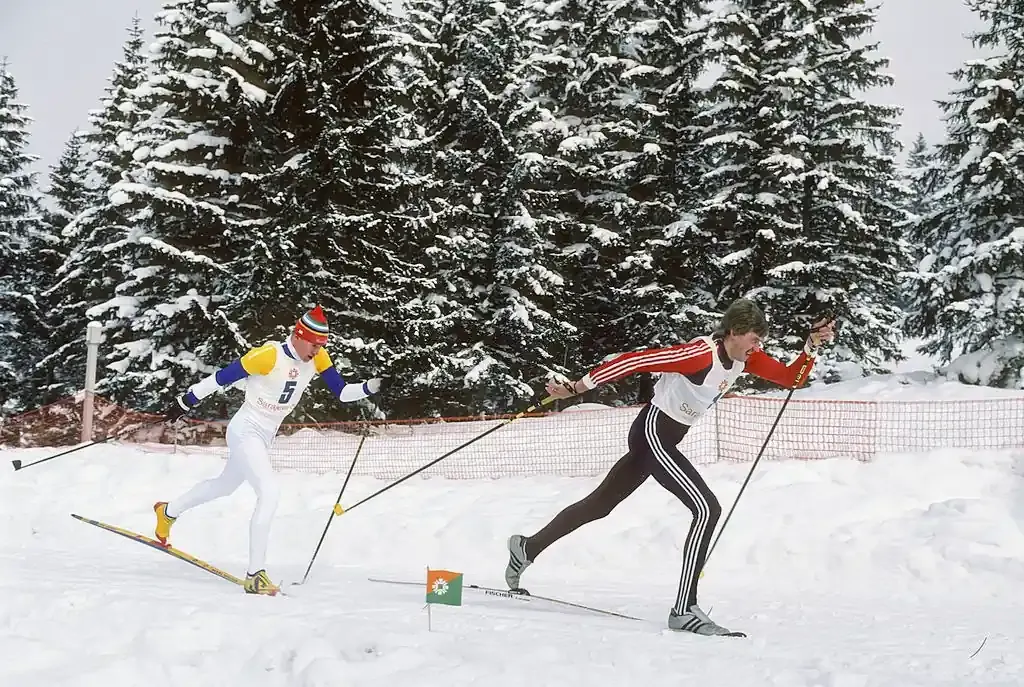
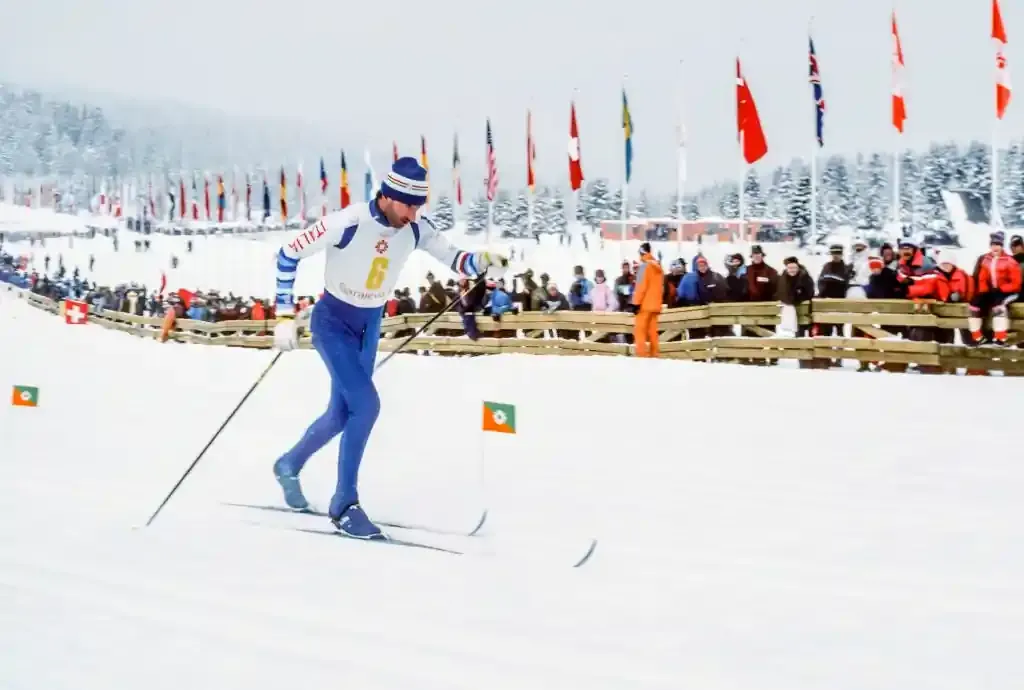
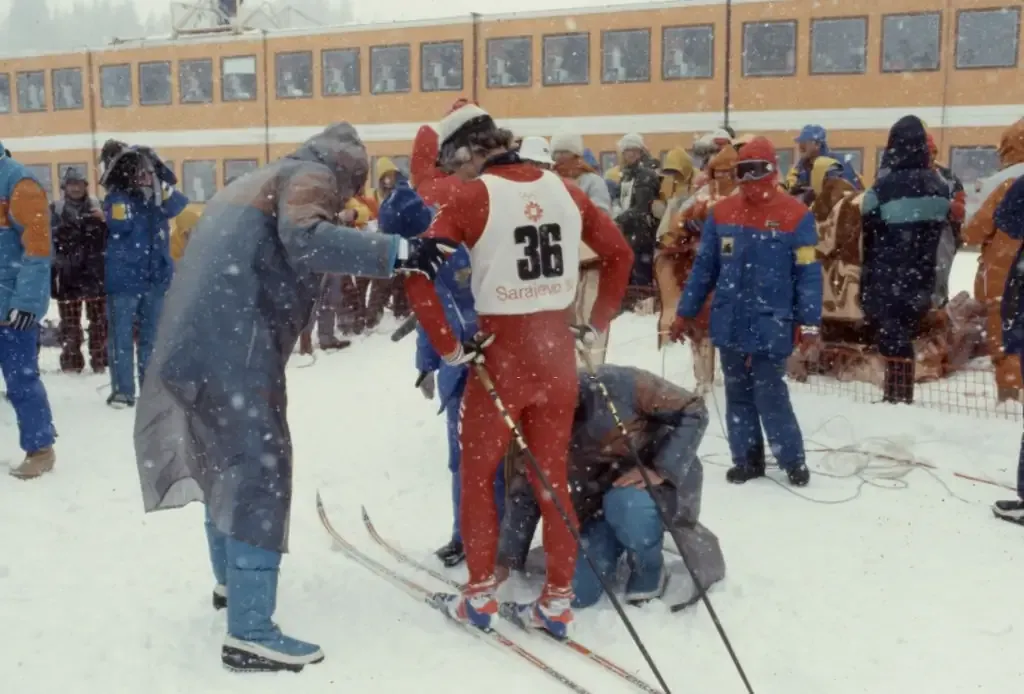

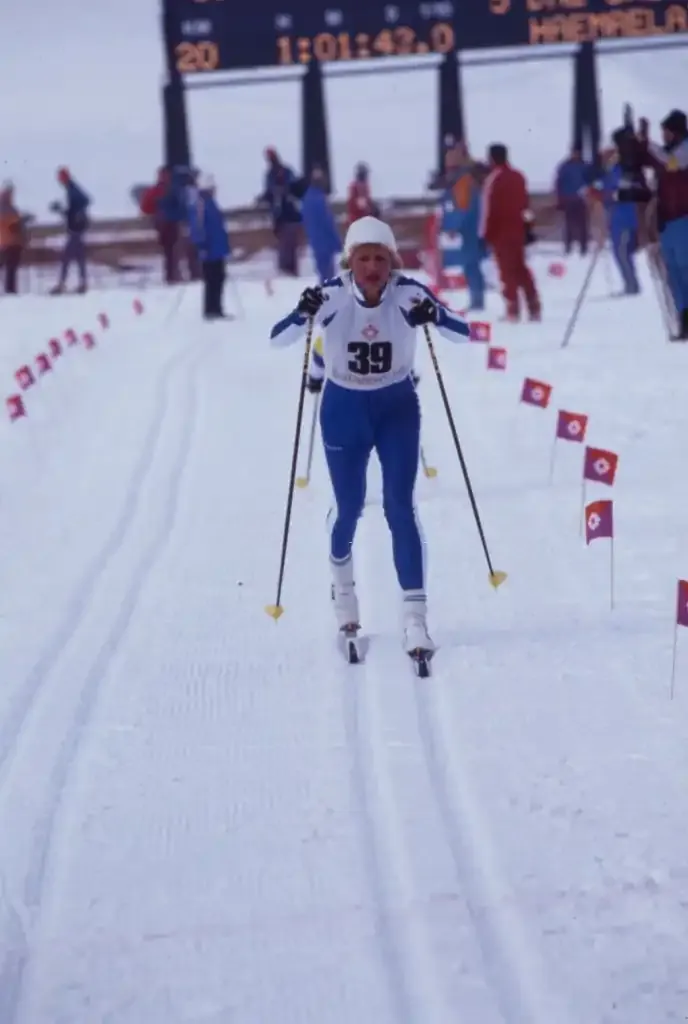
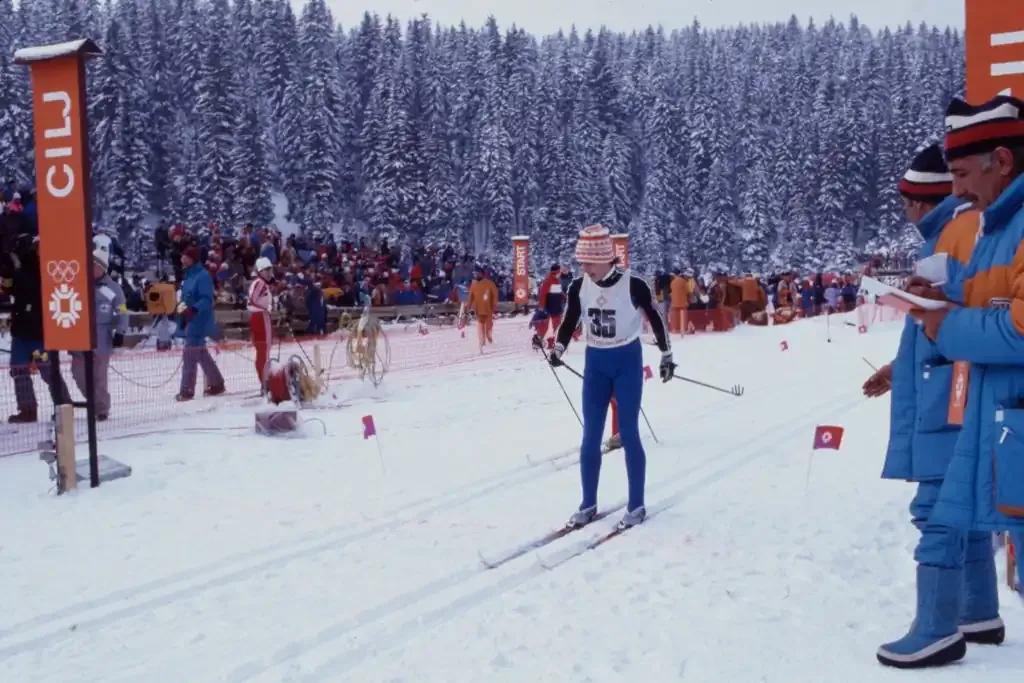
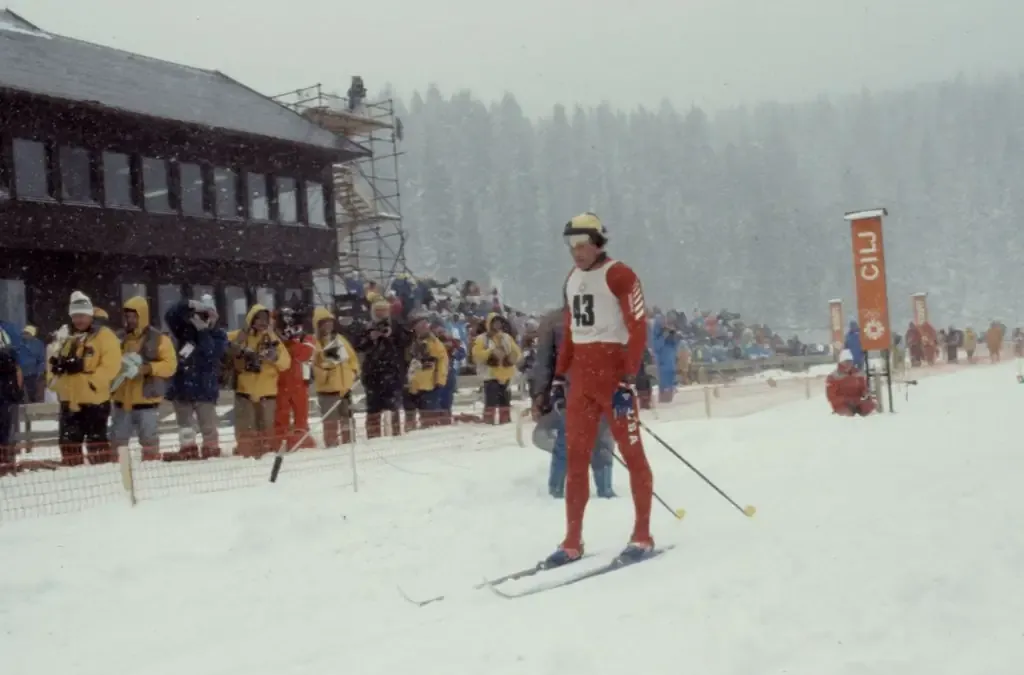
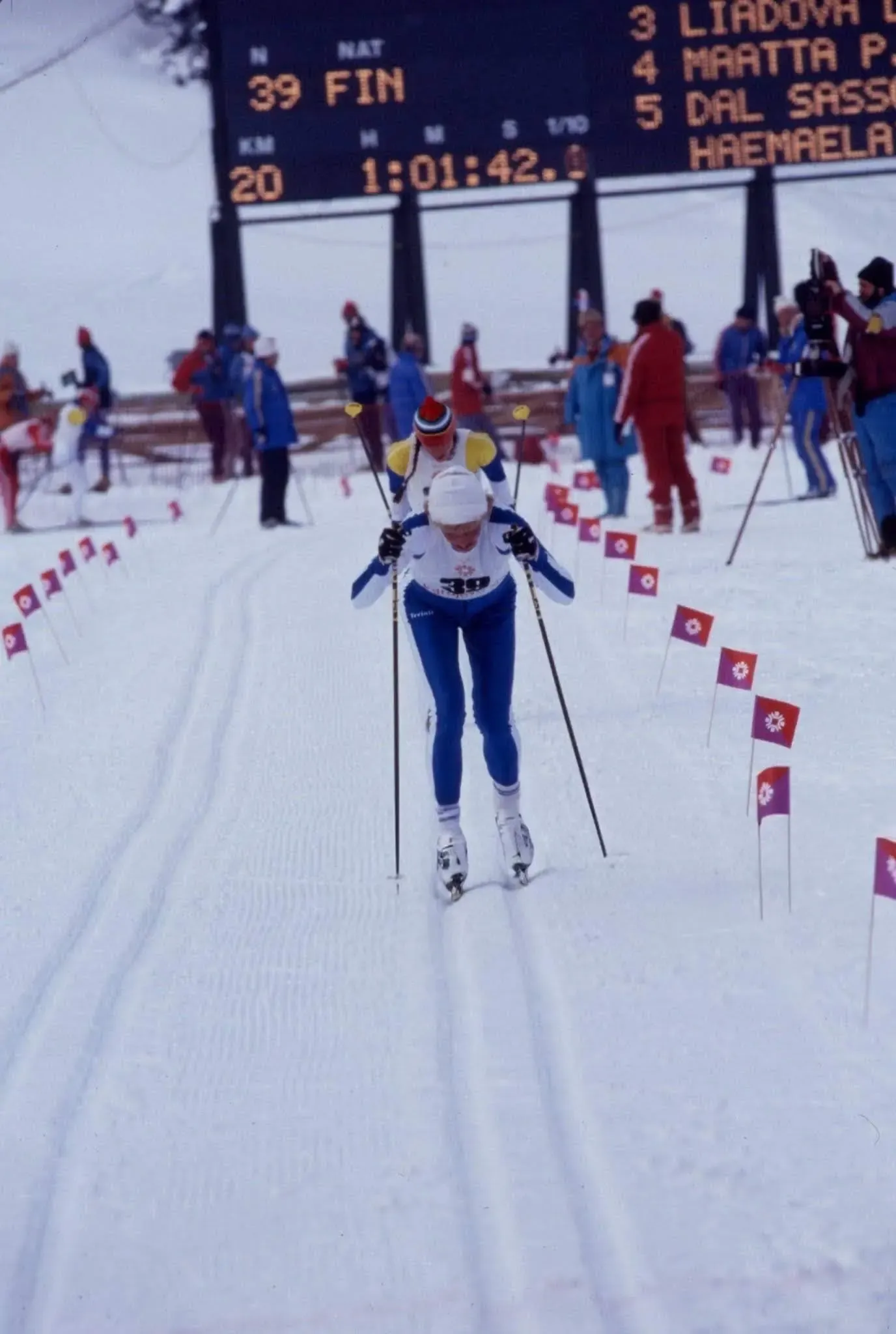
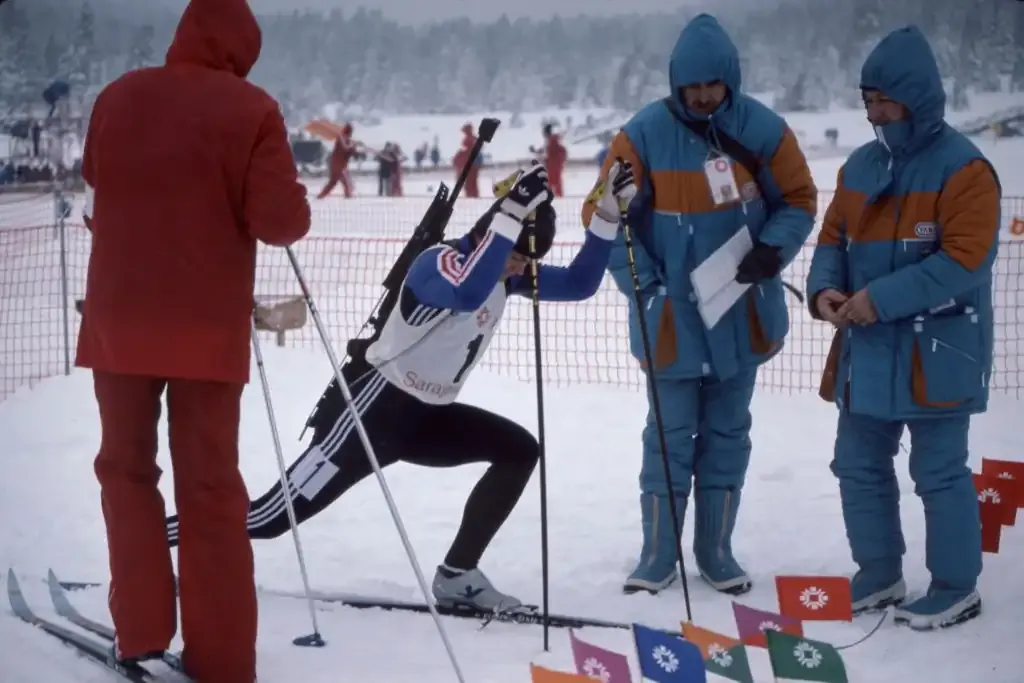
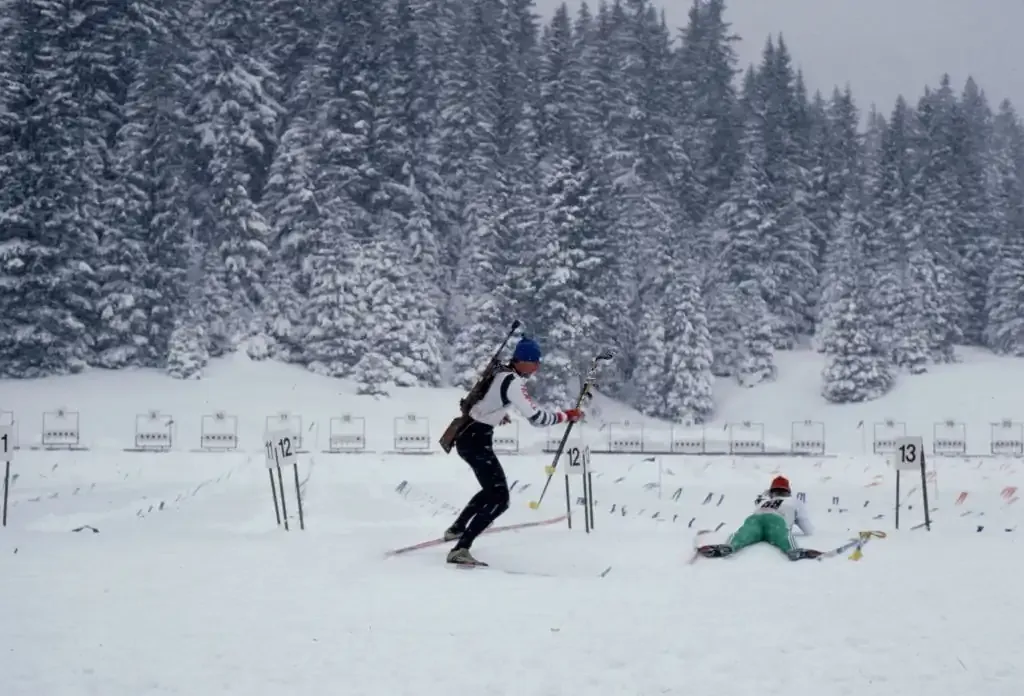
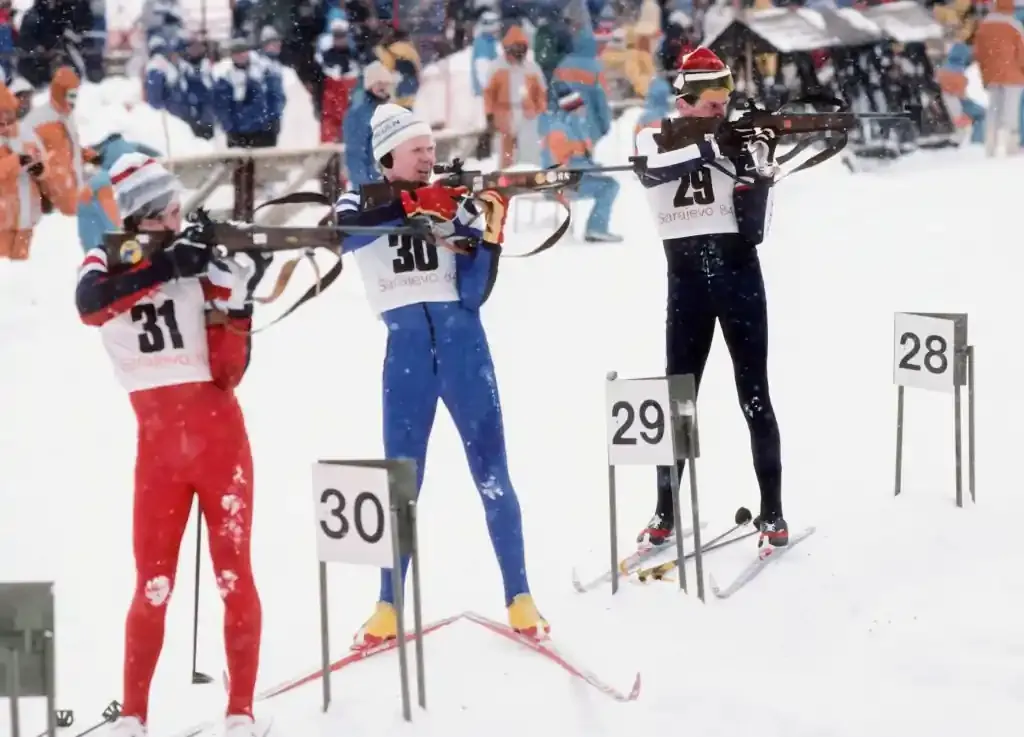
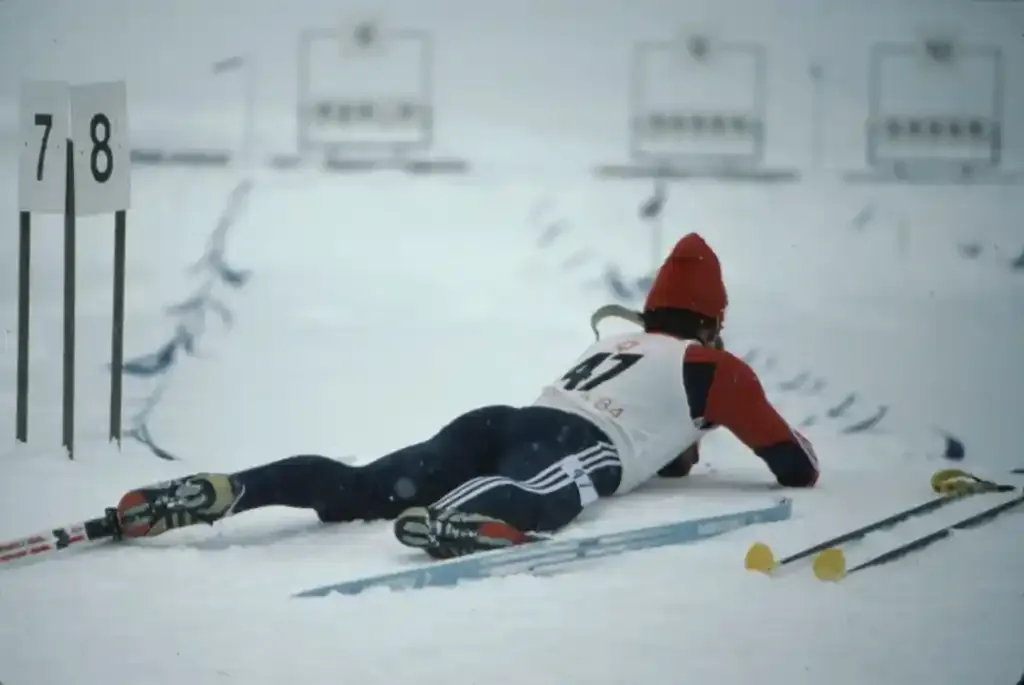
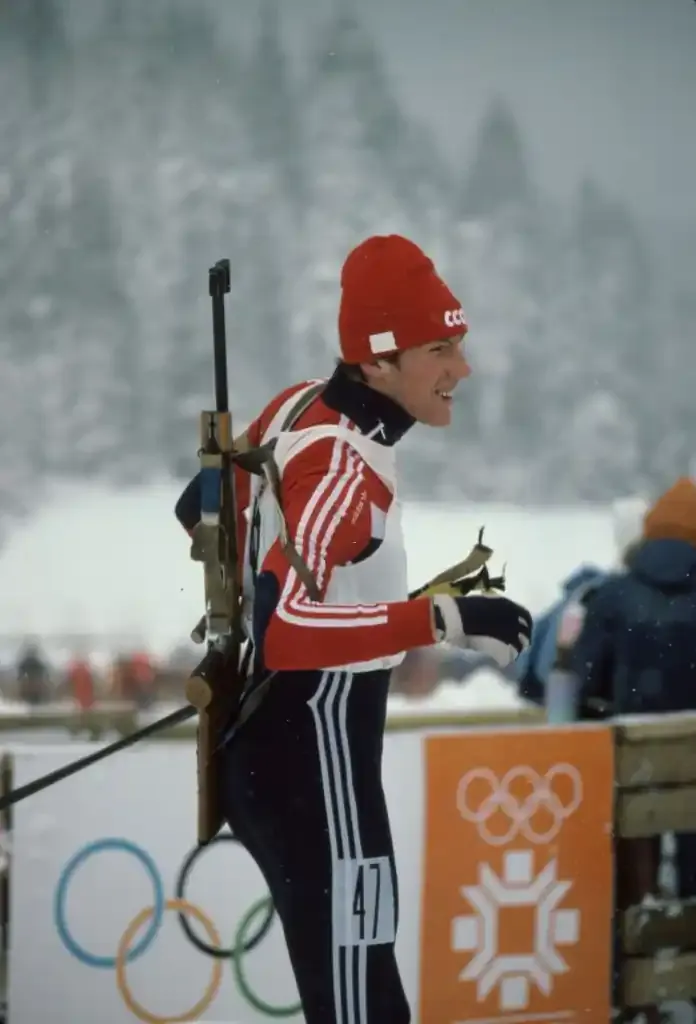
The site also hosted the Biathlon events, including the 20 km individual race and the 4 x 7.5 km relay. On February 12, the venue welcomed Soviet cosmonaut Alexei Leonov, who attended the cross-country competitions as a member of the Soviet Olympic Committee. While the Soviet team faced stiff competition, the atmosphere at Veliko Polje was described by technical delegates as "magnificent," with the trails being "extraordinarily integrated" into the picturesque landscape.
Technical Snapshot: The 1984 Setup
The infrastructure at Veliko Polje was largely completed between 1979 and 1981, representing a significant modernization of the mountain's existing trail network to support both winter competition and year-round training.
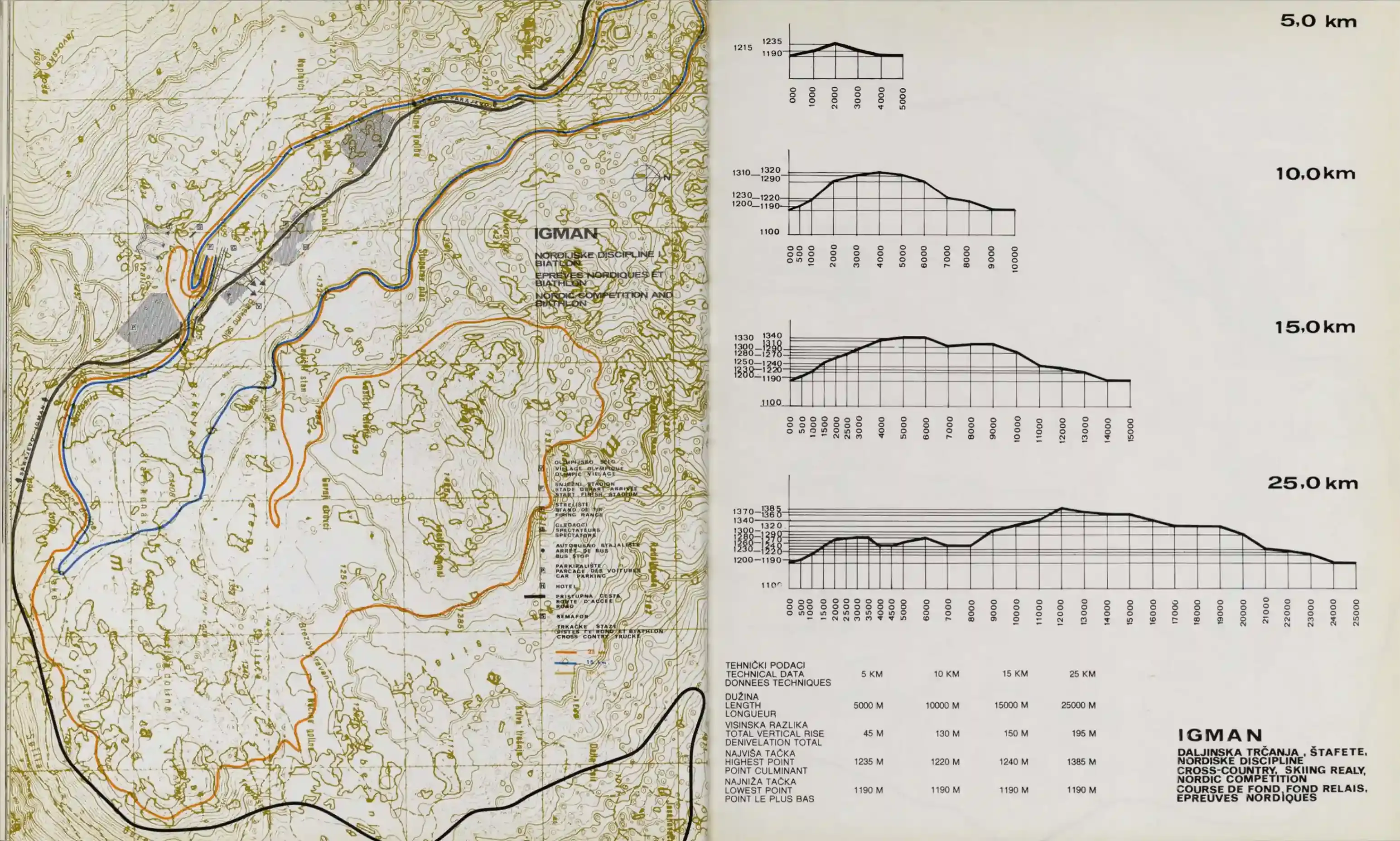
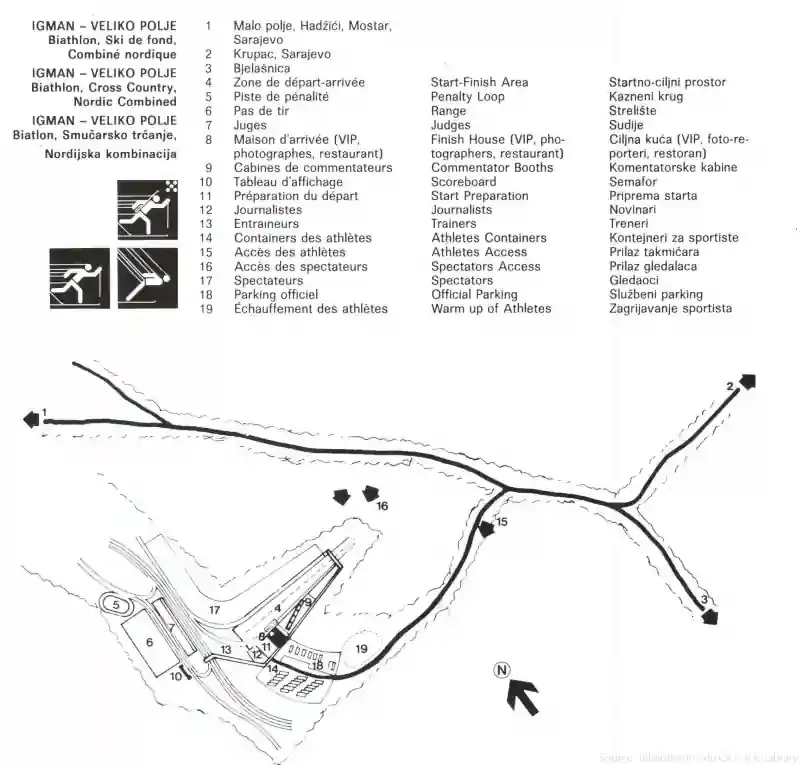
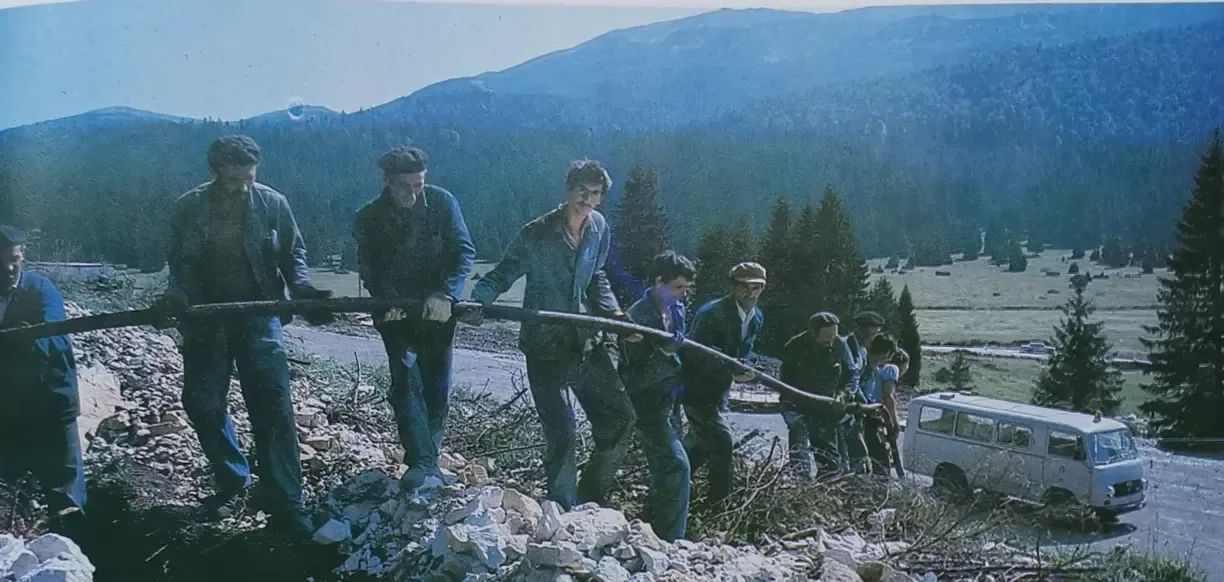

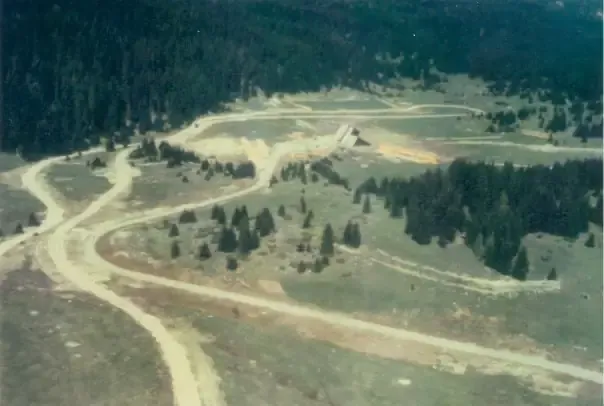
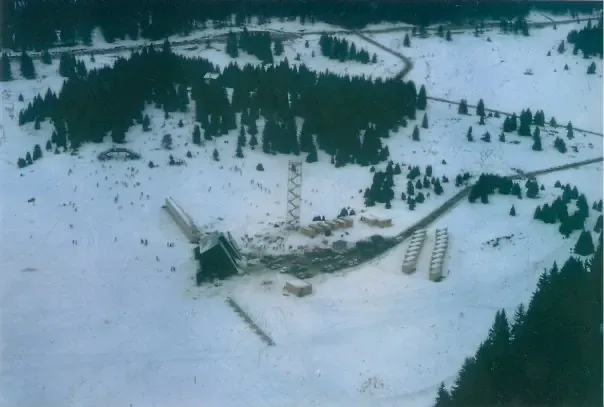
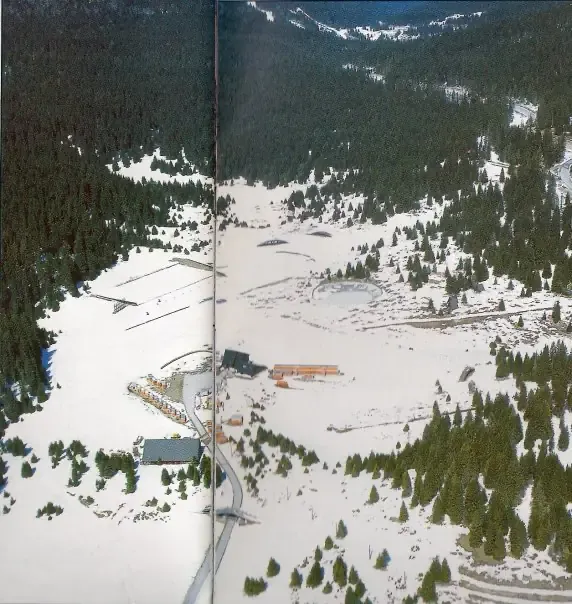
- Trail Network: 55 km (34.1 miles) of dedicated runs were prepared, including specialized tracks for cross-country, biathlon, and training.
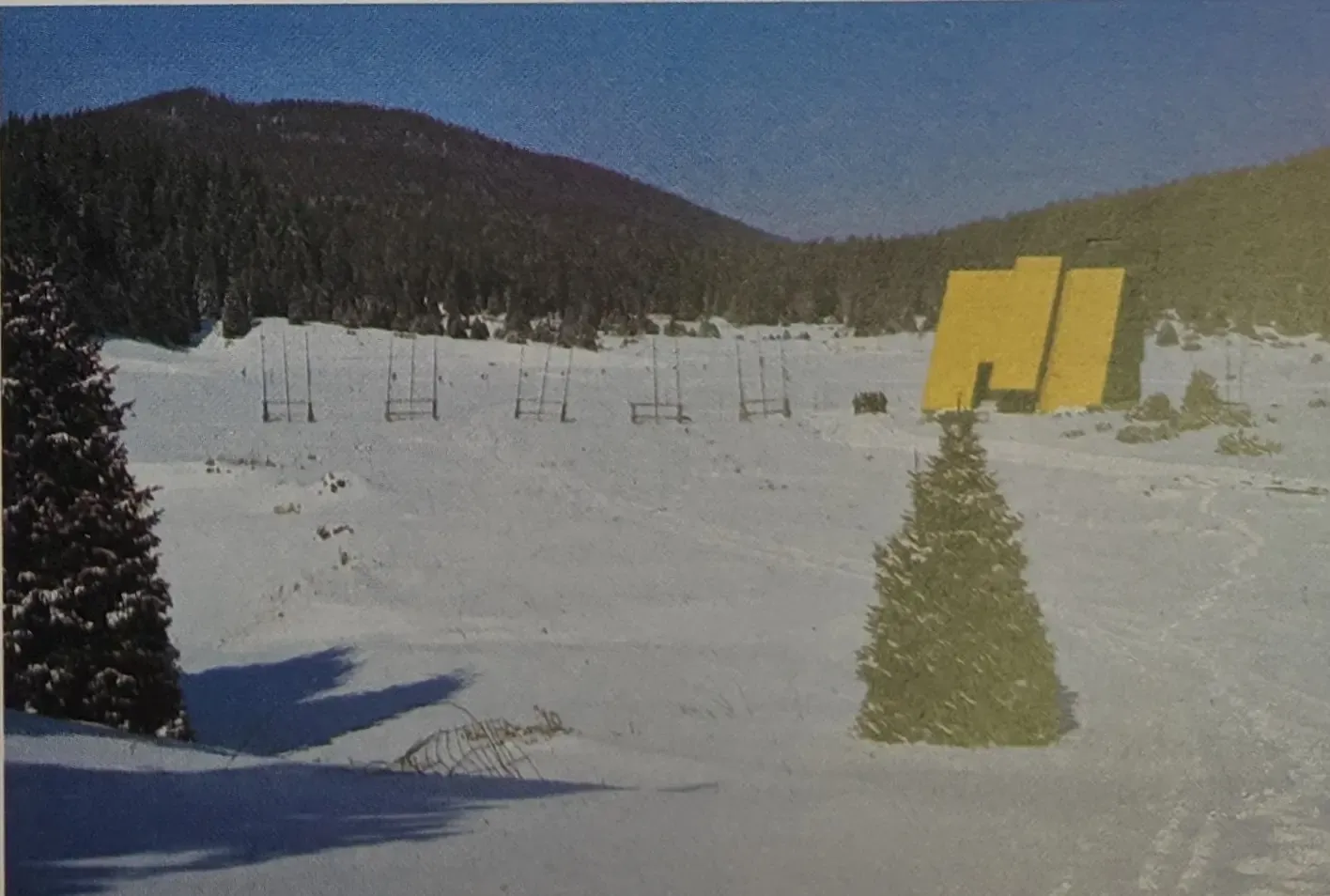
- Start-Finish Area: Stretching over 2.5 hectares, the main stadium zone was equipped with a state-of-the-art artificial snow-making system. It featured a 560-square-meter start-and-finish house complete with an on-site restaurant.
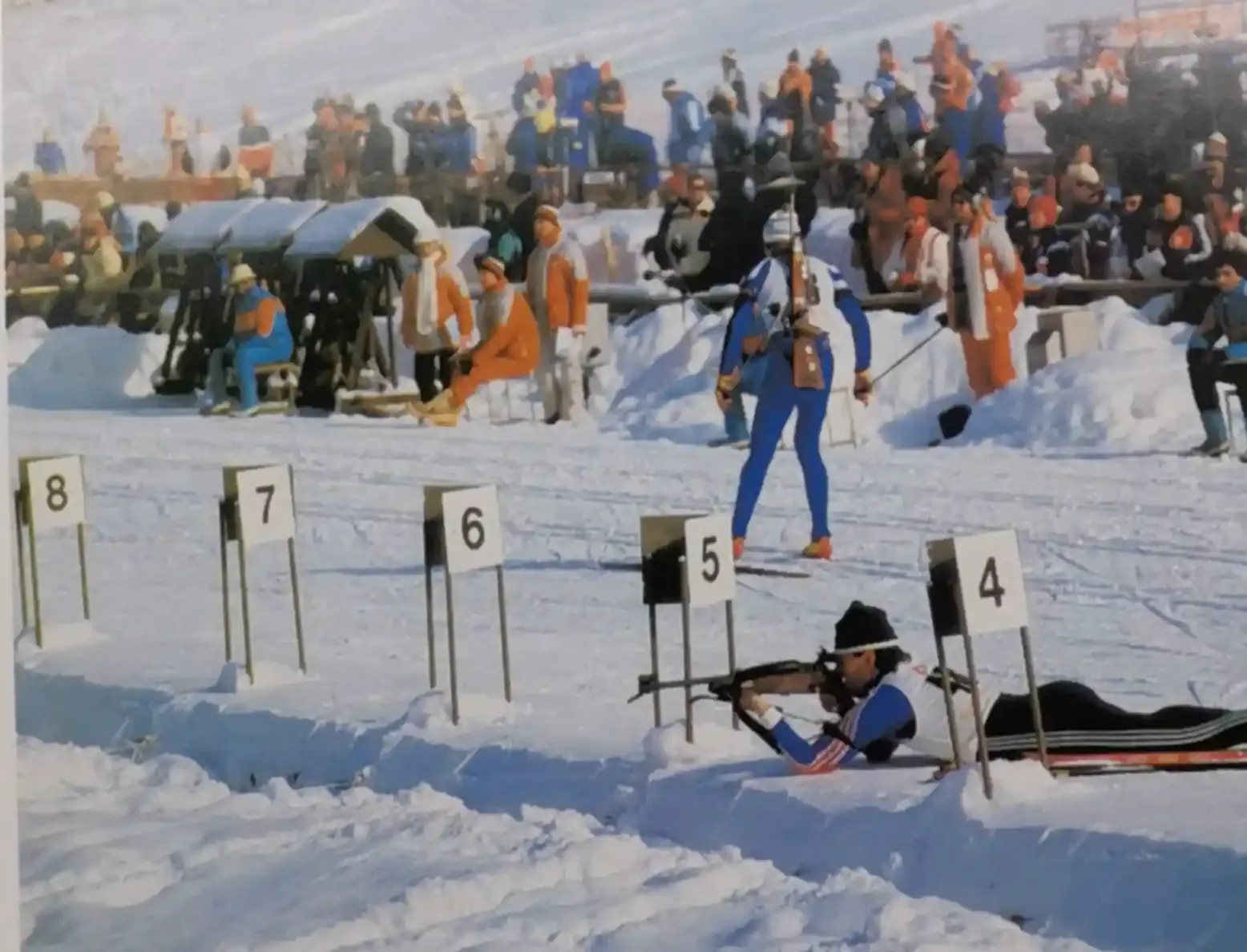
- Biathlon Range: A modern semi-automatic shooting range featured 36 targets located immediately adjacent to the start-finish area.
- Summer Training: Uniquely for the time, the venue included a 2,800 m (1.74 miles) asphalt rolling lane designed for the "dry" training of Nordic skiers during the summer months.
- Press Facilities: A dedicated auxiliary press center of 1,000 square meters was established at the venue. Managed by the Belgrade newspaper Borba, it provided 96 desks, 16 phone booths, and 15 teleprinters to serve the international media.
- Accommodations & Logistics: In addition to an auxiliary Olympic Village located just 1,000 meters from the start-finish area for altitude acclimation, the venue also hosted Hotel Feri, which provided 70 beds tailored for youth and visiting athletes.
Technical Data
Men's Cross-Country
| Category | 15 km | 30 km | 50 km | 15 km NC |
|---|---|---|---|---|
| Total Ascent (MT) | 538 m | 910 m | 1,692 m | 455 m |
| Max Ascent (MM) | 36 m | 36 m | 36 m | 36 m |
| Height Difference (HD) | 120 m | 134 m | 132 m | 134 m |
Women's Cross-Country
| Category | 5 km | 10 km | 20 km |
|---|---|---|---|
| Total Ascent (MT) | 220 m | 397 m | 539 m |
| Max Ascent (MM) | 24 m | 31 m | 24 m |
| Height Difference (HD) | 63 m | 133 m | 76 m |
Biathlon
| Category | 10 km | 20 km | 4x7.5 km |
|---|---|---|---|
| Total Ascent (MT) | 300 m | 614 m | 227 m |
| Max Ascent (MM) | 23 m | 38 m | 23 m |
| Height Difference (HD) | 69 m | 89 m | 39 m |
Post-Olympic Legacy and Status Today
Following the Games, Veliko Polje remained a popular destination for recreational skiing and professional training. The trails were designed to serve the public and develop Nordic disciplines in Yugoslavia long after the Olympic flame was extinguished.
However, the 1992–95 conflict significantly impacted the area. Mount Igman became a strategic front line, and the venue's facilities suffered during the fighting. While much of the specialized Olympic infrastructure fell into disrepair or was destroyed, the "Great Field" itself has endured. Today, Veliko Polje has returned to its roots as a premier recreational and sports zone. It continues to be used for cross-country skiing, sledding, and hiking, remaining a vital green escape for the citizens of Sarajevo and visiting tourists.